Vents MagaZine Music and Entertainment Magazine
Related Articles



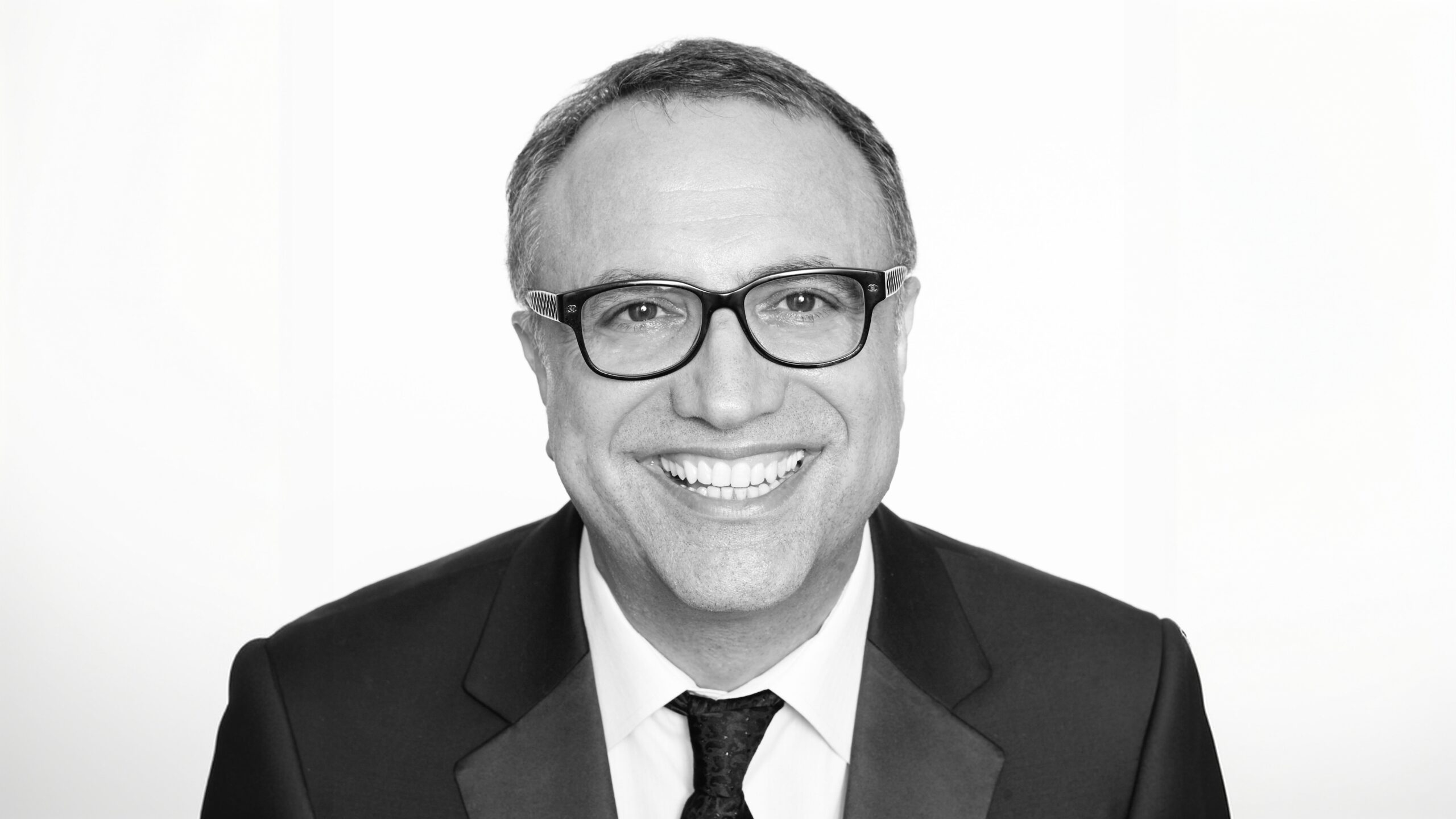
A Conversation with Hossein Farmani
As Bangkok prepares to host the International Design Awards (IDA) ceremony on February 8, the event offers a timely moment to reflect on the career of Hossein Farmani—founder of IDA and a long-standing advocate for photography, design, and creative education worldwide. Over more than four decades, Farmani’s work has spanned publishing, early internet advocacy, international awards programs, cultural institutions, and philanthropy, consistently linking creative practice with social awareness.
Interviewer: Your career spans publishing, early internet advocacy, photography, design, and philanthropy. How did this journey begin?
Hossein Farmani: I began working in publishing and design in the early 1980s. In 1985, I founded the Farmani Group in Los Angeles, initially focusing on print publications connected to visual culture. Projects such as VUE Magazine and FotoFolio were created to give greater visibility to contemporary photography at a time when the medium was undergoing significant change.
Interviewer: You were involved very early in the internet era, well before it became mainstream.
Hossein Farmani: In the mid-1990s, it became clear to me that the internet would fundamentally change how people communicate and share information. In 1995, I established ARTNET.NET, one of the early internet service providers in the United States. The focus was practical—helping individuals and businesses understand email, connectivity, and how to establish an online presence at a time when these tools were unfamiliar to most people.
On March 12, 1995, we organized what is believed to be one of the first online photography auctions, conducted using the Netscape browser. The auction featured low-resolution black-and-white images, but it allowed participants outside of Los Angeles to view works and place bids remotely. Despite the technical limitations, it demonstrated how the internet could expand access to art beyond physical boundaries.
Interviewer: That period of your work drew national attention, including coverage by The New York Times.
Hossein Farmani: Yes. In 2001, The New York Times covered the challenges surrounding early broadband access in the United States. In that context, the paper referred to me as a “foot soldier” for internet awareness, reflecting the advocacy work many of us were doing at the time to help people understand and adopt internet technology.
Interviewer: With the International Design Awards ceremony taking place in Bangkok this February, how do you see the role of global design platforms today?
Hossein Farmani: Design today is undeniably global, but it also needs to remain sensitive to local culture and context. Platforms like IDA bring designers from different regions together, creating opportunities for exchange and dialogue. My interest has always been in building platforms that recognize excellence while encouraging cross-cultural understanding and long-term creative responsibility.
Interviewer: You are perhaps best known for the awards programs you have created. How did those begin?
Hossein Farmani: The awards grew out of a desire to recognize creative excellence in a meaningful and international way. In 2004, after several years of co-chairing the Hollywood Film Awards, I founded the Lucie Awards and the Lucie Foundation to honor achievement in photography and to help preserve the medium’s cultural history.
That same year, I launched the International Photography Awards and established the Farmani Gallery in Los Angeles and New York. Over time, this expanded into design and architecture through additional programs, including the International Design Awards (IDA), the London Creative Awards, the Paris Photo Prize, the ION Film Festival, the European Product Design Awards, and later the Architectural MasterPrize.
Interviewer: Beyond awards, you also created physical cultural spaces through the House of Lucie.
Hossein Farmani: The House of Lucie was created as a place where photography could be experienced beyond competitions. These spaces operate as galleries, educational centers, and community hubs and are currently active in seven countries. They host exhibitions, lectures, and workshops, creating a more direct and accessible relationship between photography and the public.
Several House of Lucie locations also present annual exhibitions focused on artists with disabilities, initiatives that have been warmly received by local communities.
Interviewer: One of your recurring curatorial projects is State of the World. What is its focus?
Hossein Farmani: State of the World is an annual photography exhibition launched in Paris and later presented in multiple countries. Each edition features around 30 photographers documenting contemporary global social, environmental, and humanitarian challenges. The intention is to use photography as a way to reflect on current realities and encourage international dialogue.
Interviewer: Philanthropy has been a consistent part of your work.
Hossein Farmani: Yes, that has been important to me since the late 1980s. In March 1987, I established the Focus on AIDS Foundation during the early years of the HIV/AIDS crisis to support awareness, care, and education efforts. In 1989, I was involved as a founding member of Asha Kirana Hospital in Mysore, India, which focused on HIV/AIDS treatment.
More recently, in September 2021, I founded Arts for New York to support children coping with the long-term emotional effects following the September 11 attacks. I also conduct workshops for children in orphanages, particularly in Asia, and regularly lecture on photography, art, and design at universities around the world.
Interviewer: You are also known as a collector of photography.
Hossein Farmani: I began collecting photography in 1980. Over time, the collection grew to include thousands of works, spanning both historical and contemporary photography. Collecting has always been closely connected to education and preservation for me, rather than acquisition alone.
Interviewer: As your work continues to evolve, how do you see the relationship between art and social responsibility today?
Hossein Farmani: Art has always documented the human condition. Whether through photography, design, or architecture, creative work reflects where we are as a society. My role has been to help create platforms where those voices can be seen, preserved, and taken seriously.
Interviewer: Where can our readers follow you and stay updated about your future projects?
Hossein Farmani: Yes, readers can follow my ongoing projects and exhibitions through my Instagram, and explore a broader overview of publishing, awards, and cultural initiatives via Farmani Group.