Vents MagaZine Music and Entertainment Magazine
Related Articles


Starting a new regimen that involves using a protein powder as a nutritional supplement can trigger uncomfortable and sometimes embarrassing digestive issues. Naturally, those experiencing these issues often point to the powder as the culprit. But Josh Malin, co-founder and head formulator of RISE311, says blaming constipation or other stomach problems on protein powder is often a misread, or at least an explanation that doesn’t tell the whole story.
“Protein powders or shakes are rarely the direct cause of constipation,” Malin says. “Only a very small amount of protein makes it to the colon, where constipation actually happens. Most — 90 to 97% — is absorbed in the small intestine.”
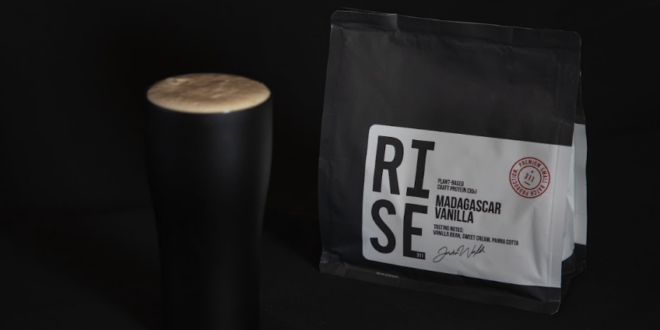
Malin co-founded RISE311 with celebrity trainer Jason Walsh to develop a complete plant-based protein that’s easily digestible, environmentally responsible, and uncompromising on taste, texture, and quality. After rejecting the first 310 attempts, they arrived at a plant-based protein that is just as complete as standard animal-based whey protein and stands out for its remarkable digestibility.
“There are a trio of things that usually masquerade as ‘protein constipation,’” Malin says. “Understanding what those are allows you to address them without losing the benefits of using protein powder.”
Why do protein powders get blamed for digestive issues?
Malin points to two reasons why protein powders typically get blamed for causing unrest in the digestive system. The first is that issues with digestion often crop up soon after starting protein powder.
“If you started using a protein powder or upped your daily intake and your gut starts acting up, it may just feel like it makes sense that the one new thing in your routine becomes the obvious suspect,” Malin says.
Protein powder also gets blamed for constipation because of the gas and bloating that it can cause. This tight and heavy feeling in the stomach is uncomfortable, but it’s not constipation.
“It’s important to understand that when powders cause digestive problems, it’s usually not the protein, whether it’s whey or pea,” Malin says. “Whey concentrate does contain lactose, which causes gas for some people. And plant flours contain fibers that also make gas, called oligosaccharides, although most of these get stripped out in quality protein isolates. Still, if constipation is your problem, it’s most likely the other ingredients in your powder and not the protein.”
What is the actual cause of constipation after using protein powder?
When using protein powder leads to constipation, it is typically related to dietary shifts rather than the protein. The first element of that shift is a drop in fiber.
“Often people decrease fiber when they increase protein,” Malin says. “As they put more protein on their plate to comply with the “gym rule” of 1g of protein per 1lb of bodyweight, the protein crowds out fiber-rich foods. With less fiber, you have less bulk in your stool, which is a fairly common cause of constipation.”
Decreasing water intake is another shift that can trigger constipation. If drinking protein shakes makes someone feel full, they might not drink as much water as they need. And if the body is short on water, it can cause dry stool and constipation.
Why is RISE311 the best protein powder for those with a sensitive stomach?
Avoiding the constipation that many people experience when taking protein powders requires a few steps. As mentioned above, avoiding a reduction in fiber and water intake is important. But choosing a gut-friendly powder like RISE311 is just as important.
“RISE311 is an ideal protein powder for sensitive stomachs because it utilizes a 3-in-1 process designed to take the stress out of digestion,” Malin says. “First, our barley protein is sprouted, then our pea protein is processed to remove anti-nutrient factors (those that can cause discomfort). Lastly, we mix our powerful enzyme blend for an effortless breakdown of our proteins in the digestive tract.”
The RISE311 3-in-1 system improves both digestion and absorption. By carefully selecting when plants are harvested, it essentially pre-digests its protein to take the burden off the body. Its enzyme blend also hydrolyzes the protein in the digestive tract so muscles get flooded with the amino acids they need at precisely the right time.
Constipation is a common struggle for those using protein powder, but blaming the protein alone can make it more difficult to find relief. Keeping digestion healthy requires understanding how fiber, water, and the ingredients in protein powder can affect the body.
“If you’re dealing with constipation, make sure you fix it in the right order,” Malin says. “Start by rightsizing your protein intake and ensuring you’re getting sufficient fiber. Then make sure you aren’t cutting back on water. If those elements are in place, adding a protein powder designed for those with sensitive stomachs should allow you to support recovery without getting a plumbing problem.”