Vents MagaZine Music and Entertainment Magazine
Related Articles


Travelling with a baby by car, bus, train, underground or plane is perfectly doable with the right pram. The key features: a quick fold, light enough to lift onto a bus or up a flight of stairs, small enough for tight spaces, so it doesn’t leave you struggling with bags on the platform. You’ll also need a car seat for car journeys, and that’s where a 3 in 1 travel system works best – one purchase gives you the pram, the pushchair and the car seat together.
Travelling by Car: Why a 3 in 1 Travel System Works Best
A 3 in 1 travel system covers everything you need for travelling with your baby: a carrycot for the newborn months and a seat unit as they grow, plus a car seat for journeys by car. Whatever the journey calls for – a newborn lying flat, a toddler sitting up, or a car seat for the ride – you already have it with you after only one purchase.
The Venicci 3 in 1 Travel System
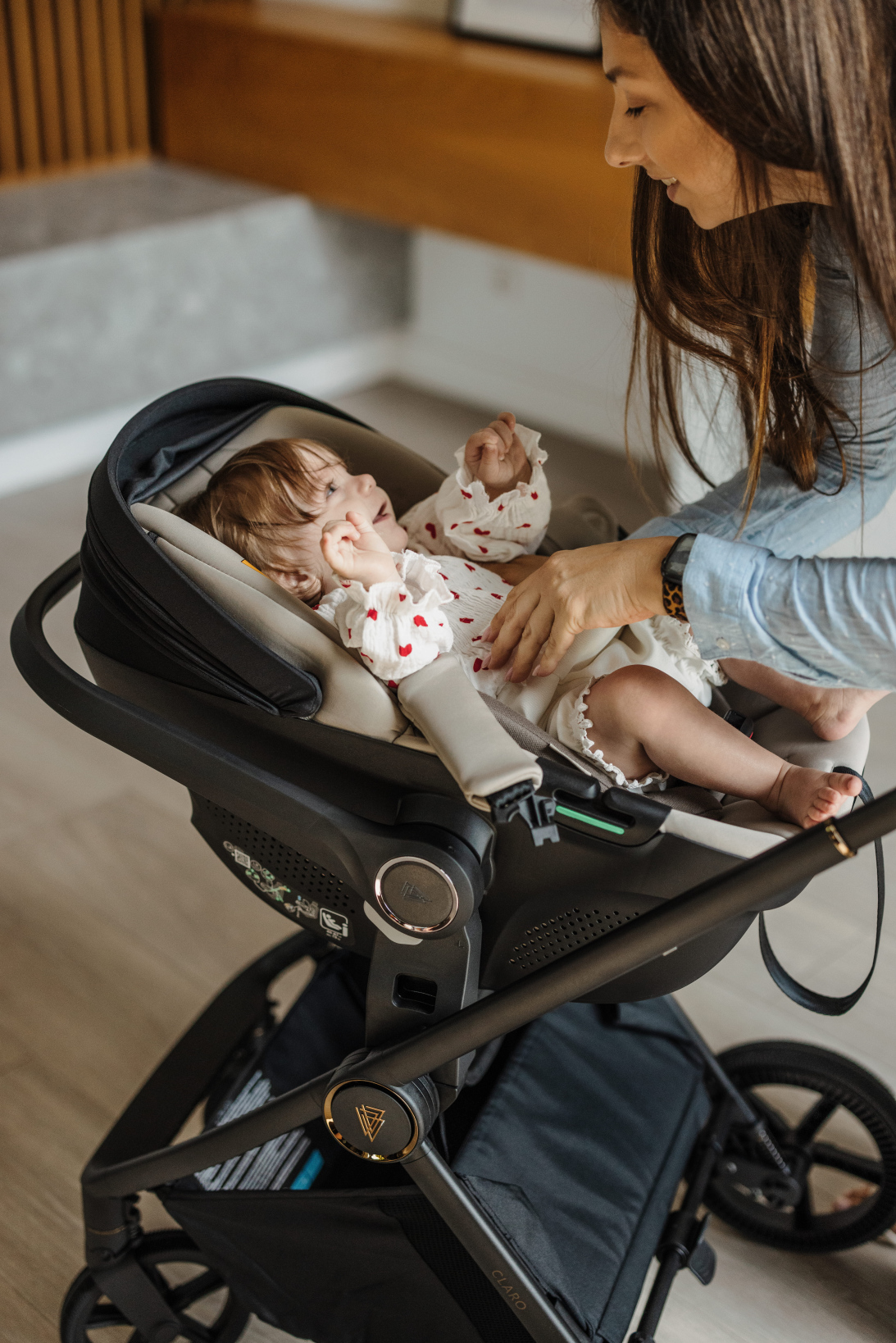
A Venicci 3 in 1 travel system with a car seat brings all three modules together on one chassis – the carrycot and seat unit clip straight on, and the infant car seat also clicks into place with adapters. On the Venicci Upline 3, the carrycot or seat unit folds together with the chassis, so when you’re heading out by car, the whole pram fits into the boot without taking it apart first.
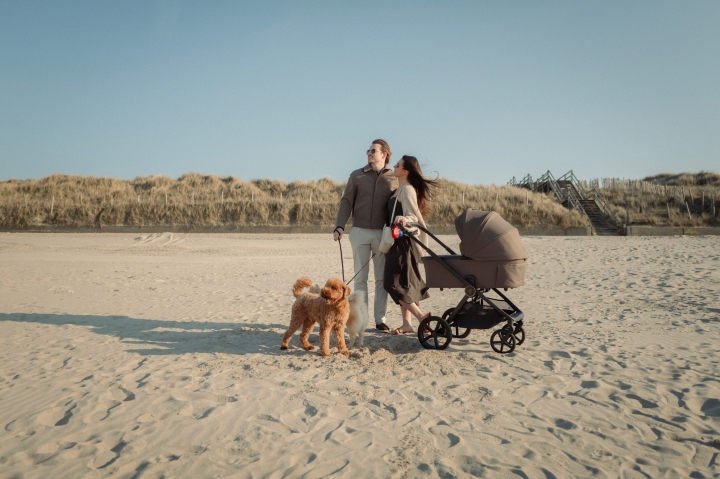
Keeping Your Baby Safe in the Car Seat
Car seats are designed for travelling, not for long naps. Remember to take your baby out of the car seat once you arrive at your destination, and to stop for regular breaks on longer drives so they can stretch and move around. Staying upright in a car seat for too long can make it harder for a baby to breathe, so these breaks are very important. Before a long drive, it’s worth checking three things:
- The car seat still fits. i-Size seats are rated by height and weight, so check your baby is within the range on the label.
- Your stops are planned. The younger the baby, the more often you should stop – newborns need a break every 30 minutes, gradually stretching to around 2 hours as they get older.
- There’s somewhere flat to nap. Pack the carrycot if your baby will need a proper sleep on the breaks and when you arrive.
Challenges on Public Transport With a Pram and Pushchair
Space for a pram and pushchair on public transport is never guaranteed. Buses and trains usually have only one or two dedicated spots, aisles and doorways are narrow, and older stations still rely on steps rather than lifts. A gap between the platform and the train, a lift that’s out of order, or a busy rush hour with no room to squeeze past can turn even a short trip into hard work. None of this is a reason to avoid public transport with a baby – a small, lightweight pushchair makes every one of these moments easier.
Flying With a Pushchair
A small, lightweight pushchair or pram is your best friend when flying with a baby. Most airlines let you use it right up to the gate or aircraft door, but you’ll then need to fold it. The smaller and lighter it is, the easier that moment is. Most airlines will check a pushchair in for free, though this isn’t guaranteed on every fare – a smaller, lighter one is less likely to attract extra charges either way. Rules on size, weight and free baggage also vary between airlines, so it’s worth checking yours before you book.
How a Compact Pushchair Makes Travel Easier
Almost every challenge above – from a crowded bus to a gate check at the airport – comes down to three things: how your pushchair folds, how much it weighs and how much room it takes up. Here’s what matters most when you’re choosing a pushchair for frequent travel:
- One-hand fold, so you still have one free hand for your baby.
- Light frame with a carry strap, so you can lift it up stairs or through gaps without wearing yourself out.
- Small folded size that fits tight spaces, from the luggage area on a train to a small car boot.
- Reinforced travel bag to protect the frame on every journey.
The Venicci Tila, which is also available as a 3 in 1 travel system, is a lightweight stroller built exactly for this. At just 53 cm wide, it’s the lightest of Venicci’s flagship models, and the chassis folds down to 63 × 53 × 33 cm, weighing 5.9 kg with its wheels or 4.5 kg without them – light enough to lift onto a bus or carry up a flight of stairs using the built-in carry strap. Thanks to the Up2Go system, the chassis folds in one motion with the carrycot still attached, so there’s nothing extra to detach before you go. Venicci also offers a reinforced travel bag as a separate accessory, so you can keep your pram protected on the journey.
Get the pram and pushchair right for how you travel, and everyday life with a baby gets a lot simpler.