Vents MagaZine Music and Entertainment Magazine
Related Articles

Pet owners notice fast when a bowl goes untouched, so savory flavoring carries real weight in your formula. Dogs and cats read food through aroma first, then taste, then texture, and each stage shapes acceptance. When you understand how palatants drive acceptance in dry and wet formats, you can design with far more confidence.
Umami sits at the center of that savory appeal, built on glutamates, nucleotides, and heat-driven reaction flavors. At Beck Flavors, we approach pet food projects through collaborative custom development grounded in flavor chemistry. Our chemists pair that science with practical processing knowledge so your formula performs from plant to bowl.
Building Umami With Glutamates, Nucleotides, and Maillard Chemistry
Umami in pet food starts with glutamate, the amino acid that activates the T1R1 and T1R3 receptor pair. Nucleotides such as inosine monophosphate (IMP) and guanosine monophosphate (GMP) amplify that signal through a well-documented synergy. Feline taste research suggests cats respond strongly to nucleotides, and you can follow that science in our Flavor Focus newsletter.
Heat then adds a second layer, since the Maillard reaction joins amino acids and reducing sugars into roasted aromatics. Our overview of Maillard reaction flavor science explains how those pathways build depth in savory flavoring systems.
- Sulfur precursors: You can react cysteine with ribose to generate meaty thiols and thiazoles that read as roasted meat.
- Roast notes: Pyrazines formed during extrusion or baking contribute toasty, nutty character that complements animal fat coatings.
- Balance points: You still need restraint, since excessive yeast extract can push brothy notes into bitter, overly salty territory.
Timing matters with nucleotides, since natural enzymes in raw animal tissue can break IMP down before cooking. You can add them after heat treatment or protect them in the coating to keep umami impact intact.
Once you map those building blocks, you can tune the ratio of nucleotides to glutamate for each species. Dogs can detect sweetness, while cats lack a working sweet receptor and respond instead to protein cues. In practice, a single formula rarely serves both species equally, so custom development pays off here.
Delivering Savory Flavoring Through Coatings, Carriers, and Processing
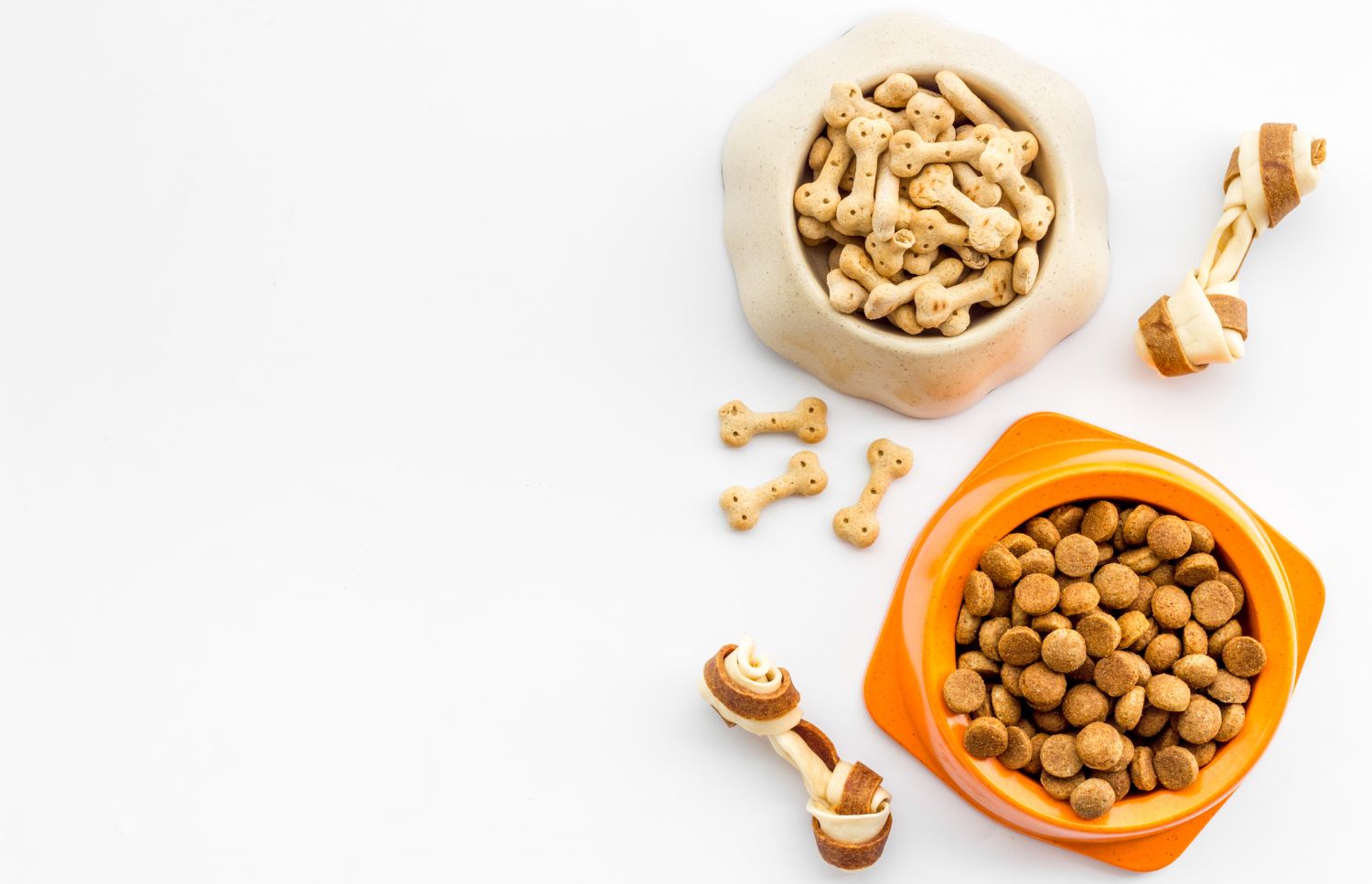
Your savory flavoring only works if it survives the process and reaches the pet at full strength. For dry kibble, most pet food palatants go on after extrusion and drying, as a liquid or powder topcoat. Fat often goes on first, and a dry palatant then clings to that oil-rich surface inside the coating drum.
Wet foods face a different challenge, since retort sterilization exposes every ingredient to intense heat inside sealed cans and pouches. Here, you can build flavor precursors into the gravy or loaf so the retort itself generates cooked notes.
Carrier choice matters too, because salts, maltodextrin, and fats each hold aroma compounds differently over time. Our guide to industrial flavoring carriers walks through those tradeoffs for large production runs. Meanwhile, fat oxidation can turn a savory aroma rancid, so antioxidants like mixed tocopherols protect the finished coating.
Beyond chemistry, you also need a partner who can supply flavor in formats that fit your plant. Our manufacturing expertise and supply chain assistance help you move from bench sample to scaled batches with fewer surprises. Low minimum order quantity (MOQ) options also let emerging brands trial a new savory profile without heavy inventory risk.
Testing for Palatability and Long-Term Acceptance
Even a well-built savory flavoring needs proof, and pets give you honest feedback with every meal. Two-bowl tests measure first choice and intake ratio, while single-bowl tests show how pets eat one diet alone. Our look at sensory evaluation in product launches shows how structured testing lowers commercial risk.
- First approach: You can track which bowl a pet sniffs and samples first to gauge aroma pull.
- Intake ratio: You then compare grams eaten from each bowl to see which diet pets truly prefer.
- Shelf-life retests: You should repeat panels on aged product, since palatability can fade as fats and aromas oxidize.
Test length deserves attention, because a novel diet can win early interest that fades after several days. Multi-day feeding studies help you separate novelty from lasting preference before you commit to a production run.

Human sensory panels still help, too, because trained evaluators can flag aroma off-notes before animal trials begin. Pet parents also smell the bag, so a pleasant opening aroma supports repeat purchases over time.
Packaging protects your work as well, since barrier bags and jars slow the oxygen exposure that dulls aroma. Our design and branding support, plus custom bags and jars, help you present that freshness with confidence. Ultimately, pairing solid testing with smart packaging gives your savory profile the best chance to stay appealing.
Partner With Beck Flavors on Savory Flavoring That Pets Love
Umami impact in pet food comes from smart chemistry, careful processing, and patient testing working together. When you balance glutamates, nucleotides, and Maillard notes for each species, you give pets a reason to return. Our flavor chemists enjoy that puzzle, and we bring curiosity and rigor to every custom savory project.
Where other flavor houses can take months to deliver new samples, Beck Flavors works on a timeline of weeks. You can share your project details with us, including species, format, and processing goals. Contact our flavor team today to explore savory solutions that keep pets excited at every mealtime.