Vents MagaZine Music and Entertainment Magazine
Related Articles



For decades, Hollywood had a predictable way of portraying women over 50. They could be mothers, grandmothers, devoted wives, or accomplished professionals. Yet women with complicated desires, evolving identities, and romantic lives of their own rarely occupied the center of the story.
Now, television is beginning to challenge that narrative.
Sharon Horgan’s HBO comedy *Youth*, which premiered in September 2026, follows Alex, a divorced literary agent in her 50s navigating dating, family responsibilities, aging, and the uncomfortable realities of starting over.
Beneath the comedy lies a question that reaches far beyond television: What happens when a woman has spent decades becoming everything everyone else needed, only to discover she no longer knows what she wants?
Midlife Is Finally Getting a New Storyline
In *Youth*, Alex is caught between the competing demands of her son, aging parents, career, and relationships. The series doesn’t portray her as a woman whose romantic life has reached its expiration date. Instead, it allows her to be uncertain, impatient, desirous, and contradictory.
In the October 11 episode, *The Holiday*, Alex finds herself traveling with her son, ex-husband, a former romantic interest, and their new partners. The situation offers an unusually revealing look at how relationships from our past can continue influencing the lives we’re attempting to create.
*Youth* joins films such as *Babygirl* and *The Idea of You*, which have brought conversations about female desire, aging, and relationship expectations into mainstream culture. Yet Horgan’s series explores the less glamorous realities: competing responsibilities, uncomfortable encounters, and emotional uncertainty that don’t simply disappear when a marriage ends.
What these stories don’t always examine is what happens within the body when someone begins questioning patterns they’ve followed for decades.
When the Mind Is Ready for Change but the Body Hesitates
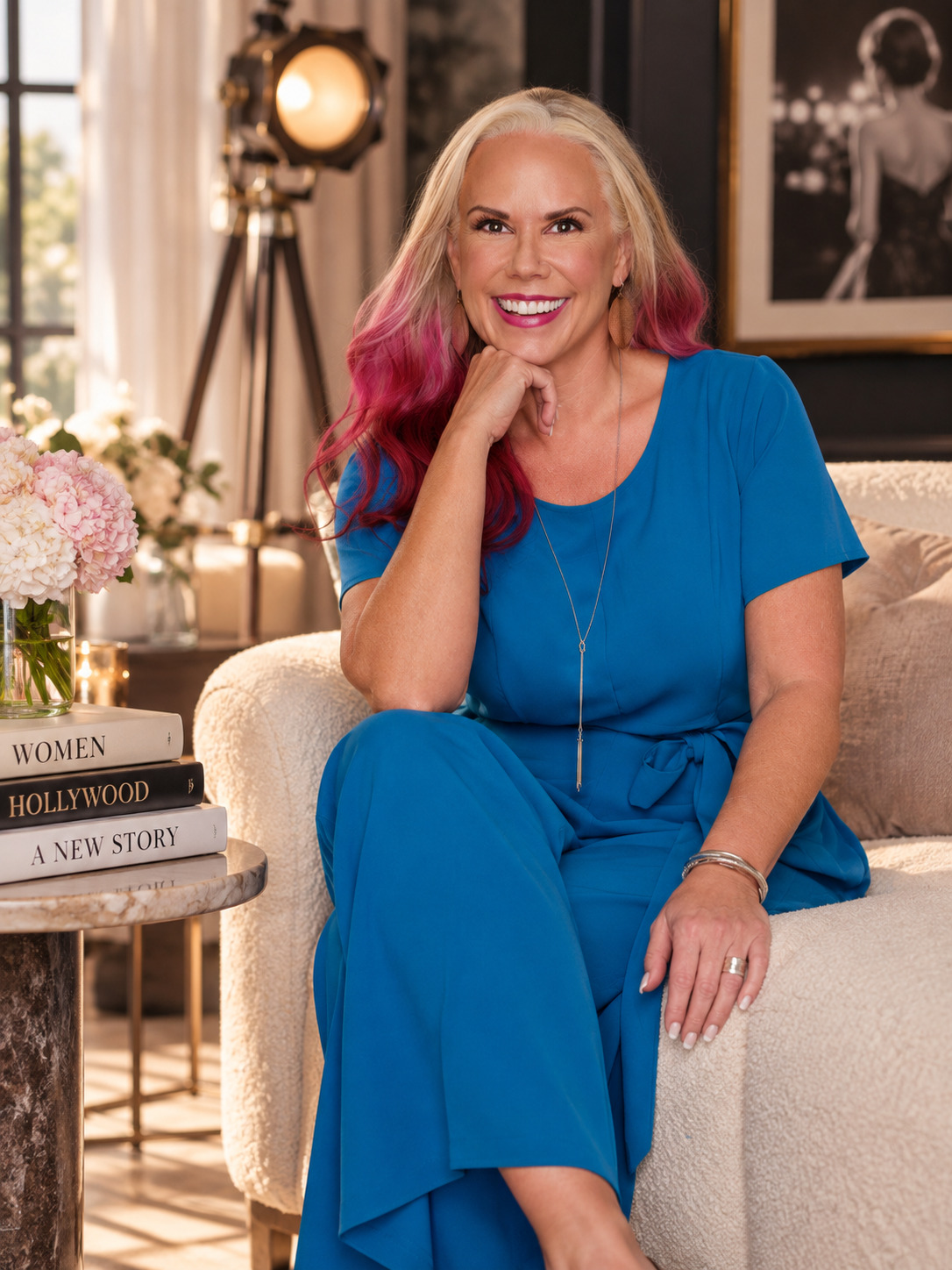
Somatic Wellness Alchemist Candis Zimmerman, founder of soma•soul•shift, works at the intersection of nervous system awareness, emotional conditioning, relationships, and intimacy.
Our emotional experiences and physical responses are deeply interconnected. Long-standing patterns of accommodating others, avoiding conflict, or meeting expectations can remain difficult to shift, even when we consciously recognize them.
Consider a woman who has spent 20 years being the dependable partner, the accommodating parent, or the professional who never says no. She may genuinely want to establish boundaries or begin prioritizing her own needs, yet experience discomfort when she attempts to make those changes.
That discomfort doesn’t necessarily indicate that something is wrong. Even positive change can be stressful. Unfamiliar experiences may trigger anxiety, uncertainty, and physical tension.
Somatic awareness provides an opportunity to recognize those responses rather than focusing solely on thoughts and beliefs. When it comes to relationships and intimacy, that awareness can become an important part of understanding personal needs.
The Difference Between Being Desired and Knowing What You Desire
Popular culture frequently presents sexual rediscovery through a new romance, an unexpected attraction, or a dramatic personal transformation. Yet reconnecting with desire isn’t necessarily about finding another partner.
Sometimes, it begins with recognizing how little attention you’ve given your own preferences.
For someone who has spent years placing other people’s needs first, expressing a boundary or acknowledging an unfamiliar desire may feel more challenging than entering the dating world again.
There is an important distinction between wanting to feel desired and understanding what genuinely feels desirable to you. One can be shaped by external validation, while the other requires a deeper awareness of personal needs, preferences, and choices.
Of course, not every woman experiences renewed sexual desire during midlife. Menopause, stress, health, relationship history, and individual circumstances can influence intimacy in different ways. The opportunity for Hollywood is to acknowledge those differences without replacing one outdated stereotype with another.
Why Midlife Doesn’t Have to Mean Reinvention
Hollywood has always embraced the dramatic transformation: the divorce, the new wardrobe, the younger partner, or the sudden realization that life is only beginning.
These narratives can feel empowering, but they can also introduce another expectation: that women must emerge from midlife completely transformed, sexually adventurous, and newly confident.
The reality is often more complicated.
Meaningful change may involve uncertainty, grief, curiosity, unfamiliar boundaries, or a shifting relationship with one’s body. Sometimes, it simply means recognizing that the patterns that once defined your life no longer feel appropriate.
A body-centered approach doesn’t promise immediate transformation. Instead, it creates space to recognize emotional and physical responses while developing a more conscious relationship with personal needs and boundaries.
Perhaps midlife isn’t always about becoming someone entirely new. Sometimes, it’s about discovering which parts of yourself have been overlooked while fulfilling everyone else’s expectations.
The Conversation Hollywood Has Only Just Begun
*Youth* reflects a growing cultural willingness to portray women in midlife as individuals whose romantic, emotional, and personal lives continue evolving.
Yet the most compelling story may not be whether a woman finds love again, dates someone younger, or experiences a sexual awakening.
It may be what happens when she begins making choices without automatically placing everyone else’s expectations ahead of her own.
Not every woman wants reinvention. Not every woman is searching for another relationship. Not every woman experiences midlife as a period of sexual rediscovery.
Perhaps the real shift isn’t simply that Hollywood is finally asking what women want after 50.
It’s whether women have ever been given enough space to discover the answer for themselves.
Featured Expert
Candis Zimmerman is an ATI-certified Alexander Technique instructor, somatic practitioner, and founder of soma•soul•shift. Her work integrates Primal Somatics and NARM-inspired frameworks to explore the relationship between the nervous system, emotional conditioning, relationships, intimacy, and personal transformation.
Website: somasoulshift.com
Instagram: @soma.soul.shift