Vents MagaZine Music and Entertainment Magazine
Related Articles


Rail networks play an essential role in connecting towns, cities and communities across the United Kingdom. Millions of passengers depend on trains for commuting, education, business travel and leisure activities. However, railway services occasionally experience disruptions caused by planned engineering works, infrastructure improvements, adverse weather or unexpected operational issues.
During these situations, rail replacement transport provides an alternative way for passengers to continue their journeys when train services are temporarily unavailable. Understanding how replacement services operate, why they are necessary and how passengers can prepare for them can help make disrupted journeys more manageable.
What Is Rail Replacement Transport?
Rail replacement transport refers to alternative passenger services arranged when scheduled train journeys cannot operate as normal. These services typically involve buses or coaches travelling between railway stations or designated collection points.
Replacement services are commonly introduced during planned railway maintenance, although they may also be arranged following unexpected disruptions.
The main purpose is to maintain passenger connections while railway services are suspended or restricted. Depending on the circumstances, replacement vehicles may operate along an entire route or cover only the affected section of a journey.
Why Are Rail Replacement Services Necessary?
Railway infrastructure requires regular inspection, maintenance and improvements to ensure services remain safe and reliable.
Several circumstances can result in replacement transport being introduced.
Planned Engineering and Maintenance Works
Railway operators and infrastructure organisations regularly schedule maintenance activities involving tracks, signalling systems, bridges and electrical equipment.
Some work requires sections of railway to close temporarily, particularly during weekends, bank holidays or overnight periods.
Replacement buses and coaches help passengers travel around these closures while essential work takes place.
Unexpected Railway Disruptions
Unplanned incidents can also interrupt train services. These may include signalling failures, damaged infrastructure, severe weather conditions or operational emergencies.
When disruption prevents trains from running, replacement transport may be arranged to maintain connections between affected locations.
However, organising vehicles and drivers at short notice can be challenging, meaning replacement services may take time to become available.
Types of Vehicles Used for Rail Replacement
Different vehicle types may be used depending on passenger demand, journey distance and route requirements.
Buses for Local Connections
Buses are frequently used for shorter journeys involving multiple stops between nearby railway stations.
Their design allows passengers to board and leave relatively quickly, making them suitable for routes with frequent stopping points.
Coaches for Longer Journeys
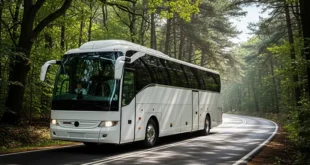
Coaches may be more appropriate for longer-distance replacement services where passengers remain onboard for extended periods.
Depending on the vehicle, coaches can provide additional luggage storage, comfortable seating and other passenger facilities.
Accessible Replacement Vehicles
Accessibility is an important consideration when arranging alternative transport.
Passengers with mobility requirements may need vehicles with suitable boarding equipment or designated wheelchair spaces.
Because accessibility features vary between vehicles, passengers requiring assistance should check arrangements with the relevant railway operator before travelling where possible.
How Rail Replacement Transport Is Organised
Coordinating replacement services requires careful planning between railway operators, transport providers and local authorities where necessary.
Route Planning
Replacement routes are designed to connect affected railway stations or suitable nearby locations.
However, road networks do not always follow railway lines directly. This means replacement journeys may take longer than the equivalent train service.
Traffic conditions, road restrictions and vehicle access can also influence route selection.
Vehicle Scheduling
Transport planners must estimate passenger demand to determine the number and capacity of vehicles required.
Busy commuter routes and major events may create additional demand, requiring careful coordination to reduce overcrowding.
Passenger Information
Clear communication helps passengers understand changes to their journeys.
Information may be provided through station announcements, railway websites, journey planning applications and temporary signage directing passengers towards replacement stops.
Challenges Associated with Rail Replacement Services
Although replacement transport helps maintain connections, several challenges can affect its operation.
Road congestion is one of the most significant considerations, particularly in urban areas where buses and coaches share roads with other traffic.
Journey times may also increase because replacement vehicles cannot always travel directly between stations.
Passengers carrying large amounts of luggage, travelling with young children or requiring accessibility assistance may need additional preparation.
During unexpected disruptions, demand can exceed the number of available vehicles, potentially resulting in longer waiting times.
Tips for Passengers Using Rail Replacement Transport
Passengers can make disrupted journeys easier by preparing before departure.
Checking live travel updates can help identify planned closures and available replacement services. It is also useful to confirm the location of replacement bus stops, as these are not always situated directly outside station entrances.
Allowing additional journey time is particularly important when travelling to appointments, airports or events with fixed arrival times.
Passengers should also check luggage arrangements and accessibility information when necessary.
The Role of Rail Replacement in Maintaining Connectivity
Rail replacement services form an important part of wider transport planning, helping communities remain connected when railway operations are interrupted.
They support essential infrastructure improvements while providing passengers with alternative travel arrangements during temporary closures.
As railway networks continue to undergo maintenance and modernisation, effective coordination between train operators and road transport providers remains essential.
Well-organised rail replacement transport can reduce the impact of disruption, support passenger mobility and help maintain access to important destinations when normal rail services are unavailable.