Vents MagaZine Music and Entertainment Magazine
Related Articles


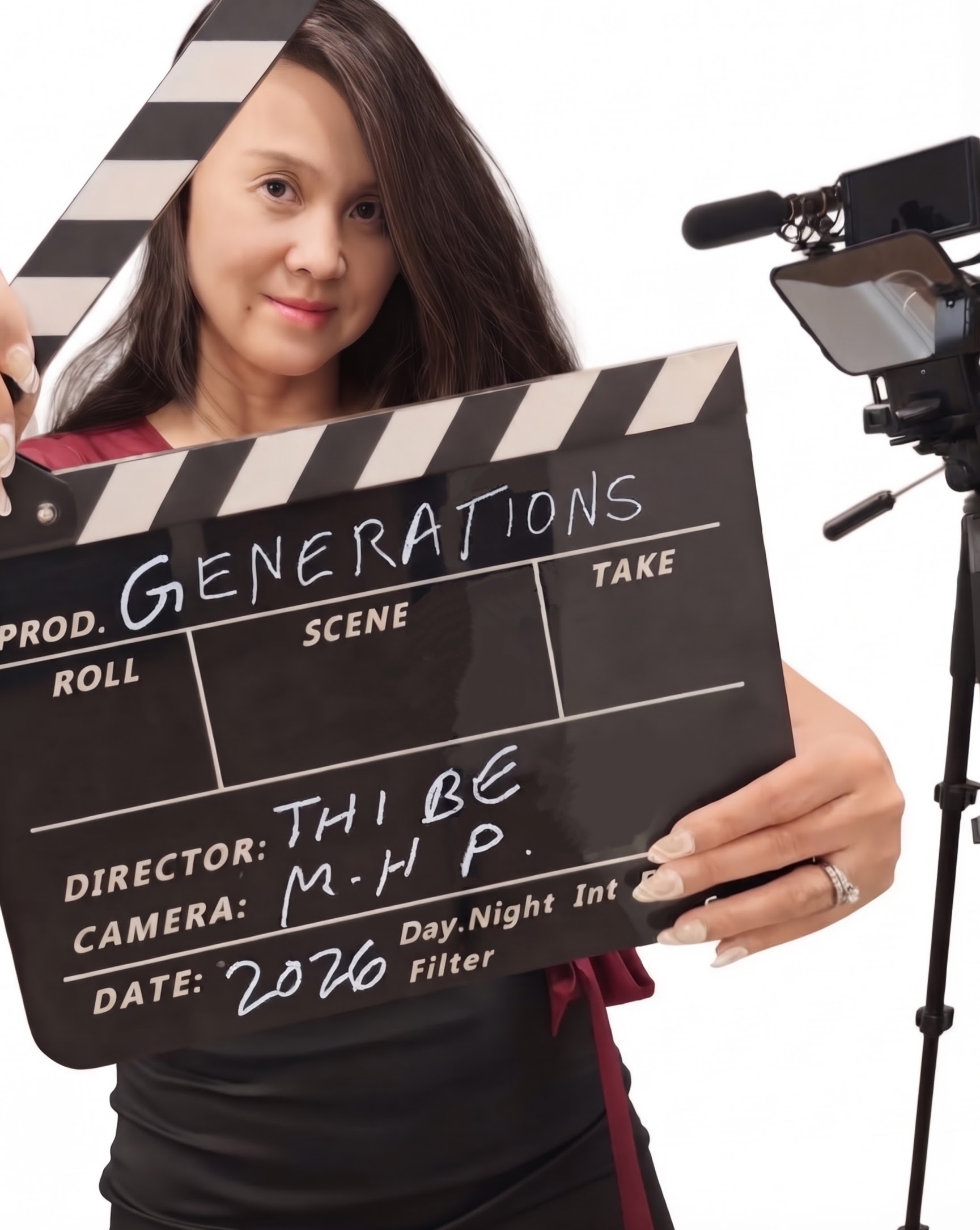
Canadian identity is a rich tapestry woven from history, geography, and human movement. The documentary Generations, produced by Thi Be Nguyen, a recipient of King Charles III Coronation Medal and directed by Montreal Oscar award nominee filmmaker Marie-Hélène Panisset, explores this profound mosaic. By examining the lived experiences of Canadian families across successive eras, the film holds up a mirror to a nation defined by its multicultural evolution.
Through personal stories and historical reflections, the documentary invites viewers to consider how identity is shaped across generations. Rather than focusing solely on major historical events, it highlights the everyday experiences of families whose journeys contributed to Canada’s development. This human-centered approach allows audiences to connect with the past through relatable narratives and shared experiences.
Weaving the Canadian Tapestry
At its core, Generations maps out the profound journeys that shaped modern Canada. The documentary bridges historical narratives to explore how contemporary society came to be. It honors the First Nations, Inuit and Métis peoples who have stewarded these lands since time immemorial, grounding the national narrative in deep-rooted history, while incorporating early settlers, including the British, French, Irish, and Scottish, who established foundational roots. It also highlights continuous waves of modern immigrants from across the globe who constantly revitalize Canada’s cultural, economic, and social landscape today.
The film’s broad perspective emphasizes that Canada’s story cannot be told through a single lens. Instead, it is a collection of interconnected histories that continue to influence communities today. By bringing these voices together, Generations illustrates how cultural traditions, values, and experiences have been passed from one generation to the next, enriching the national fabric.
The Power of Roots and Tolerance
A driving motivation behind the creation of the film is the belief that knowing where we come from is essential to cultivating greater tolerance and empathy. Nguyen wanted to spark an active curiosity within audiences, igniting the desire to search for family roots and understand diverse ancestral paths. By exploring these lineage stories, the project underscores that recognizing our shared migration histories fosters a deeply inclusive society.
This exploration of heritage extends beyond genealogy. It encourages reflection on the sacrifices, challenges, and aspirations that often accompany migration and settlement. In doing so, the documentary provides a framework for meaningful conversations about belonging, identity, and the importance of mutual respect in diverse societies.
The Immigrant Reality
A powerful underlying theme is the acknowledgment that, aside from First Nations Inuit and Métis communities, every Canadian traces their lineage back to an immigrant journey at some point in family history. Whether that transition happened centuries ago or recently, the immigrant experience, marked by displacement, courage, adaptation, and hope, serves as the universal glue of the Canadian diaspora. Reflecting on this importance, producer Thi Be Nguyen notes:
“When people come together with purpose, compassion, and courage, every story shared and every voice amplified has the power to bridge cultures, foster understanding, and create a more inclusive world.”
By juxtaposing these personal histories, Nguyen and Panisset transcend standard historical retellings, fostering deep empathy for all citizens.
Ultimately, Generations serves as both a reflection on the past and a conversation about the future. By documenting the diverse paths that have shaped Canada, the film encourages audiences to appreciate the connections that unite communities across cultural and generational lines. Its message resonates as a reminder that understanding one another’s stories remains an important step toward building a more inclusive and compassionate society.