Vents MagaZine Music and Entertainment Magazine
Related Articles


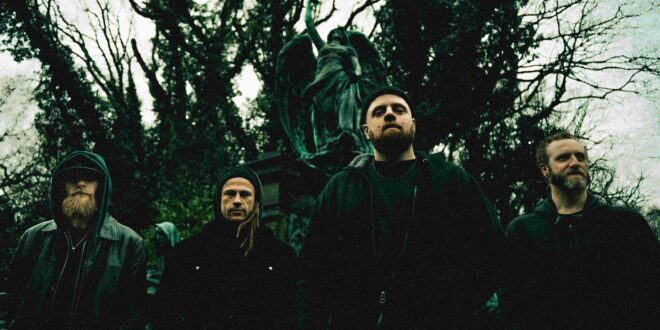
Hi guys, welcome to VENTS! How have you been?
Hello, hello, hello! We have been….BUSY! But in the best way possible.
1. Your upcoming album, Suffer, has been described as your darkest, most technically demanding, and most brutally impactful material to date. What pushed you to take things this far creatively, and was there a particular moment during the writing process when you realized you were entering entirely new territory as a band?
Ha! Yeah when we decided to write a song that was 220bpm, we realised this was the fastest we can comfortably play and would ever even want to play! We started down the path for this sort of technical and aggressive sound with our previous album ‘Solaire’ which pushed us to our limit at that particular time. The new album is a continuation of that same approach of “how far can we physically push this?” whilst keeping a grounded and forward thinking mentality towards creating fluid and accessible structured songs and music.
The themes of the songs follow a similar type of approach, in the way of it pushing the boundaries of vulnerability to where it’s manageable without it overspilling into something too raw. The previous album was generally detached from personal sentimentality but this one contains a whole mess of personal experiences reshaped and contorted into a way that straddles the border of personal discomfort. The music is a reflection of that tipping point, we’re basically trying to convey that constant feeling of like something is about to give!
2. The new single, “Watchers,” serves as the first taste of Suffer, combining polyrhythmic complexity, crushing grooves, and atmospheric weight. What can you tell us about the song’s origins, and why did you feel it was the right introduction to this next chapter of the band?
‘Watchers’ was one of the first songs we wrote that came off the back of the previous album. It has one foot still in that old approach but mixed with something a little more ballsy and uncompromising! It’s like the first confident steps in the new direction of the band.
It’s definitely a lot less chaotic than the rest of the songs on the album but as an introduction to the band as a whole it felt like the right move. It’s like a more refined song with a much more accessible and traditional structure and a strong chorus.
It’s kind of like we’re trying to lure you in with a nice song that has a nice hook but then the rest of the album is basically blastbeats and the sound of a man’s frantic descent into madness. The lyrical concept for the song is based on a…..experience me and Will (bass player and cousin) had when we once took LSD and went skateboarding…….which basically involved giant metal cranes morphing into all seeing dystopian totalitarian walking robot watch towers that were searching for members of some sort of human resistance movement. True story.
3. Frontman Jimmy MacGregor has described Suffer as a record that pushes the band’s songwriting and technical abilities beyond anything you previously expected. How do you challenge yourselves to evolve musically without allowing technical ambition to overshadow the emotional impact and sheer heaviness of the music?
That’s a genuinely great question! So the intention or ambition is never to just be technical for the sake of being technical or writing something complex without purpose.
During the writing process the most important aspect is the flow and vibe of the song. Pushing ourselves isn’t necessarily solely geared towards the technicality of a guitar riff or drum part. It can be in the form of “how can I lead these different sections into each other in a way that doesn’t detract from the energy of what’s already been established?” or “how can I make this chorus even bigger or even more expansive than anything we’ve done before?”
It’s looking at every aspect of a song and thinking “How can I improve on this?”
The key to trve heaviness is the vibe! Physically playing and writing technically demanding parts is relatively straightforward, that’s just practice and muscle memory. Keeping a song flowing and keeping the energy where you want it without creating any jarring or disorientating moments for the listener is the real challenge. Heaviness isn’t in the riff you play or how low your guitar is tuned, it’s in that feeling that causes you to involuntarily bob your head and do a stank face!
4. Your sound draws from influential acts such as Meshuggah, Decapitated, Gojira, Sylosis, and Devin Townsend, each bringing a distinctive approach to heaviness and experimentation. How have these influences shaped your musical identity, and what do you consciously do to ensure the band sound like PTEROGLYPH rather than an extension of the bands you admire?
As individuals and musicians we’ve all always been a fan of rhythmically diverse music, we grew up on bands like Sikth (who are still the most underrated UK band of all time by the way) who are technically outstanding but Meshuggah harnessed this approach of creating these insanely rhythmically complex songs but somehow make them entirely listenable. There’s something incredibly addictive about that sort of approach. Bands like Sylosis and Decapitated have such raw anger, energy and aggression that’s also infectious. So for the heavier more “metal” aspects of our music it’s trying to blend the two together. So like rhythmically complex yet accessible music that makes you want to start a pit in your living room.
Devin Townsend has been a huge influence on my personal writing style, whether it’s a big dramatic chorus or section that’s over the top with layers of vocals or guitars it’s that sort of wall of noise feeling that he creates and everything is pushed to the limit. It’s applying similar sorts of techniques but in a way that makes mores sense to what we’re trying to do and trying to be tasteful about it where possible!
I think there’s a lot of metal bands out there that shy away from melodic vocals in songs, I love screamed harsh vocals and I love melodic catchy hooks. Gojira taught me that you can scream harsh fucking death metal vocals and make it melodic. So it’s not copying these artists but more utilising similar approaches to writing music whilst keeping it firmly in something independent from them.
It’s kind of like we’re dissecting and consuming these artists, then making a freakish uncanny valley frankenstein amalgamation version of them wearing a pteroglyph skin mask and then trying to introduce ourselves into musical society .…..I think that’s the goal?
5. Progressive melodic death metal can demand an extraordinary level of precision, particularly when navigating intricate rhythms, shifting arrangements, and complex guitar work. When writing new material, do you begin with a specific technical idea or rhythmic pattern, or does the process start with a riff, melody, or atmosphere that gradually develops into something more elaborate?
Another great question! It’s not a strict process and it’s a little hard to explain but generally speaking I get this sort of instinctual inspiration, whether it’s from something I’ve experienced in my life at that present time or in the past that kind of pushes me towards a sort of particular feeling or energy that I want to convey. Such as the song ‘Somniphobic’ the lyrical concept and theme for it came from a particularly difficult time in my life where I wasn’t sleeping very well at all and I thought I was being haunted. Fun!
So I wanted to write a song that represented the sort of delirium and confusing terror that I experienced with lack of sleep and everything that I experienced. So a song generally starts from a single guitar riff that I just sort of jam out until I get something that feels like a good place to start and build from there. It’s very instinctual and following the flow of what I want to create and the feeling I want to get across. Rather than it just being Riff A – Riff B etc. it’s thinking about what feels right to serve the song and where you want it to go.
It can be a lot of trial and error and changing my mind too! I might write half a song with full guitars, drums and vocals and then come back to it weeks later and delete it all or tweak it. There’s no structure or plan, it just happens how it happens and usually in a chaotic fashion.
6. Hailing from Leeds and Northern England, you’ve established yourselves as a great presence in the UK’s underground metal scene. How has your geographical background influenced your identity as a band, and what is your perspective on the current state of the British extreme metal scene and its ability to reach international audiences?
There’s definitely something to be said for the cliche saying of “It’s grim up north” because it fucking is! When half of the year is spent being battered by gale force winds and perpetual rain it’s almost impossible for that not to affect your mental state and luckily that lends itself quite well to metal.
I feel like there’s an undercurrent of powering or pushing through in our music because that’s what you’ve just got to do in the north. You can’t rely on your physical surroundings to sort you out because who knows what tomorrow will bring! Leeds as a city and a scene definitely has an impact, there is a bit of a lack of dedicated underground metal/rock venues which kind of forces you to carve your own path. But that’s actually kind of liberating and gives you a lot of control over what you do.
I feel like the music scene in general and not just in metal in the UK is very competitive in the sense that there’s so much of it! Which is great but makes it challenging to stand out, there’s some incredible bands out there that just aren’t getting the recognition they deserve but there’s also some bands like Cryptic Shift that are breaking out and touring across the globe! It’s great to see and I feel like generally the metal scene in the UK is thriving and it always has. People still just need to take more chances on smaller shows but it’s definitely getting better!
7. Your live résumé includes appearances at Bloodstock Festival and UK Tech Fest, alongside support slots for heavyweight acts such as Decapitated, SikTh, Chelsea Grin, Signs of the Swarm, and Ingested. What have you learned from sharing stages with bands of that caliber, and has any particular live experience changed the way you approach your own performances?
Much like the music writing process it’s that mentality of striving for better. Playing with all these bands can reveal your own flaws in your technical setup, your performance, engagement with the audience and how to get across the energy you’re wanting to. Playing with bigger bands is always an opportunity to learn to see how they do it at a higher level and trying to figure out how you can apply that to your own live performances. You’ve got to be slick, you’ve got to be prepared and you’ve got to be confident if you want any hope of keeping up with the bigger boys!
Playing with Decapitated was a bit of an eye opener. When you’ve got 1 square foot to stand in at the front of the stage because of their enormous drumkit whilst sharing gear with 2 other bands, you better have your shit together because you do not have the time, space and mental capacity to problem solve in that situation!
8. With coverage from Kerrang!, Metal Hammer, Distorted Sound, and MetalSucks, PTEROGLYPH have earned considerable attention from the metal press. How important is that recognition in helping an underground band grow, and do you feel the expectations surrounding your music have changed as your profile and ambitions have expanded?
I personally feel it’s incredibly important to grow the general awareness of the band itself through media coverage and I think it’s incredibly important and refreshing to see that these media channels still actively support underground bands and artists a chance to be heard and seen.
I think that’s an aspect of being in a band that nobody really tells you about when you’re releasing albums and music, you just sort of have to learn by doing it and giving it a go. Getting press and media coverage can seem like an unobtainable fantasy but music and metal is an industry which has its processes. It’s about learning how they work and what you can do to get yourself noticed and stand out from everyone else that’s bombarding them.
The expectations and ambitions driven by previous successes is something that has been a difficult line to walk. Obviously you want to get bigger and better every time but there’s a temptation there to rush to capitalise on those successes and strike while the irons hot so to speak rather than putting something out that’s authentic. Ultimately for us and for me it’s about putting something out into the world that you can look at and be genuinely proud of.
Pteroglyph is a very artistically driven band. This new album isn’t just about getting views or plays it’s about creating a body of work of real and sincere music crafted by musicians who care about what they do and what they can create when they work to the best of their ability.
9. The album title Suffer suggests something intense, both musically and thematically. Is there a central idea or emotional thread connecting the eight tracks, and how important are atmosphere, darkness, and vulnerability when crafting music that is also relentlessly aggressive?
One of my favourite parts about making this album has been trying to create an atmosphere. I wanted this album to feel like a story, without a vibe it’s just a collection of ridiculous riffs and screams so I wanted it to have an overall cohesive theme or feel to it.
For this album there’s a general undercurrent of a twisted dramatised view of the world and society in it’s current state. It focuses on societal inequality and how it’s perpetuated with division, aggression and manipulation by the “ruling class”. There’s a few different themes mixed in too such as ecological disasters and mental health struggles but the general overarching concept is my personal fantasised ideology of dismantling the establishment so that society can be truly free. But for that to happen it comes at a cost and that cost is suffering. The title ‘Suffer’ encompasses all of these themes together.
I feel like when blending the darkness of the themes and the aggression of the music together it creates something unsettling and unpredictable which i’m a big fan of! Creating the atmosphere and allowing vulnerability to come through is the part where you have to be your bravest. To write about something that truly holds personal substance and allowing people in to see that isn’t easy but it makes it real and honest.
10. With Suffer arriving in January and “Watchers” setting the tone for what’s ahead, this feels like a defining moment for PTEROGLYPH. What do you hope listeners take away from this album, and how do you envision the band’s sound evolving from here? Are there creative boundaries you’re already eager to break next?
I hope that anyone that listens to this album feels a sense of empowerment. The world and society is currently a chaotic and distressing place to be a part of everyday and it takes real genuine strength to take part in it when everything feels at its lowest. But that strength is what everyone already and always has within them and if you can’t find it then maybe put on track 3 which is 4 minutes of 220bpm of blastbeats and riffs. That’ll help.
We kind of found our limits with this album and what we actually want. We don’t need to be the fastest, we don’t need to be the heaviest or the most technical we just need to do what we do, try not to overthink it and trust ourselves and our instincts without trying to please anyone other than ourselves.
Creatively I would like to reintroduce clean sung vocals into a more prominent place but that’s a TBC…..or i’ve always dreamed of writing a cat themed ukulele album….maybe it’s time after all these blastbeats!
https://linktr.ee/pteroglyph
https://www.facebook.com/Pteroglyph
https://www.instagram.com/pteroglyph
https://www.youtube.com/@Pteroglyph
https://open.spotify.com/artist/3CcNS0QN8j1dxPtfIf7uTM