Vents MagaZine Music and Entertainment Magazine
Related Articles



Owning a property in Florida comes with plenty of advantages, but the local environment also creates maintenance challenges that should not be overlooked. Humid air, frequent rain, and occasional plumbing leaks can leave moisture trapped in places homeowners rarely inspect. When damp conditions continue for too long, mold may develop on building materials or in concealed spaces. Recognizing these conditions early can help property owners decide when an inspection is necessary and what steps to take next.
How Everyday Moisture Can Affect a Property
Mold concerns do not always begin with a major flood or a dramatic leak. Sometimes, the cause is much less obvious. A slow drip beneath a sink, condensation near an air conditioning unit, or water entering through a small opening around a window can create persistent dampness.
In Sarasota, the combination of warm temperatures and humidity makes it particularly important to pay attention to these issues. Moisture may collect behind cabinets, underneath carpets, inside wall cavities, or around ventilation equipment. Because these locations are often hidden from view, a homeowner might not recognize the problem until an unusual odor or visible staining appears.
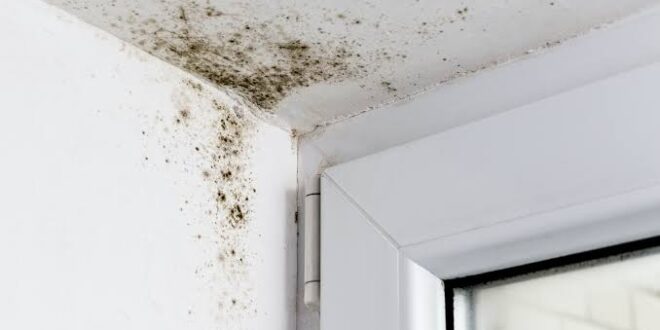
Changes such as bubbling paint, warped flooring, dark patches, or a persistent earthy smell deserve attention. These observations cannot independently confirm the presence or extent of mold, but they can indicate that the property needs a closer assessment.
Looking Beyond What Is Visible
A clean-looking room does not necessarily mean every part of the building is dry. Water can move through construction materials and settle in areas that cannot be examined during an ordinary walk-through. This is one reason a professional assessment may be useful when a property has experienced water damage or developed unexplained moisture symptoms.
Homeowners researching Mold Testing Sarasota can find information about professional services that investigate suspected mold and evaluate indoor environmental conditions. Depending on the circumstances, an inspection may include checking accessible surfaces, measuring moisture, examining temperature differences with thermal imaging, and collecting samples for laboratory analysis.
Each method serves a different purpose. Moisture measurements can help identify areas that require further attention, while thermal imaging may reveal patterns consistent with damp materials. Laboratory analysis of collected samples can provide information about the types and concentrations of mold spores present in those samples.
The appropriate approach depends on the property and the reason for the inspection. Testing is most useful when its results help answer a specific question rather than being treated as a substitute for investigating a known water problem.
Why Independent Findings Can Be Valuable
When people discover a possible mold issue, they may immediately wonder how much repair work will be necessary. Before making that decision, it can be helpful to understand the actual conditions inside the building.
An independent testing provider evaluates the property and documents the findings without relying on selling the subsequent remediation work. This separation can help property owners review the available evidence before choosing a contractor or deciding which repairs are appropriate.
Mold Inspector Sarasota presents itself as a testing-focused service. According to its website, samples are submitted to an independent third-party laboratory, with findings provided in a written report. Such documentation can help homeowners understand the results and discuss the next steps with qualified professionals.
A useful report should clearly explain the areas examined, the samples collected, the laboratory findings, and any moisture concerns identified during the assessment. The report should also be interpreted according to the property’s circumstances, since the presence of spores alone does not automatically establish the severity of a building problem.
Situations That May Call for Mold Testing
There is no need to assume that every property in a humid climate has a mold problem. Instead, homeowners can consider testing when there is a particular reason to investigate.
For instance, a house that has experienced flooding may need further evaluation after the initial cleanup. A recurring leak, an odor that persists despite ordinary cleaning, or suspected growth inside a wall can also justify a closer look. Property owners may seek testing following repairs when they need additional information about conditions in the affected area.
Real estate transactions can present another reason to request an assessment. Buyers may want to investigate previous water damage, while sellers may need documentation to help address questions about a property’s condition. The right inspection can provide useful information, although it cannot guarantee that every concealed problem has been identified.
Practical Steps to Limit Future Moisture
Professional testing can clarify a concern, but reducing unnecessary moisture remains an important part of property maintenance.
Homeowners should repair plumbing leaks promptly, keep gutters and drainage systems functioning properly, and investigate water entering through roofs, windows, or exterior walls. Air conditioning equipment should receive appropriate maintenance, and bathrooms and kitchens should have suitable ventilation to limit excess humidity.
Following a leak or flooding event, affected areas should be dried as quickly and thoroughly as practical. Materials that remain damp can provide favorable conditions for mold growth. Covering a stained surface with paint without correcting the underlying moisture source is unlikely to resolve the original problem.
Where extensive growth or hidden water damage is suspected, professional guidance can help determine whether further investigation or remediation is necessary. Disturbing heavily affected materials without appropriate precautions may spread contaminated dust and debris.
Making Better Decisions About Property Care
Uncertainty is often the most frustrating part of a suspected mold problem. Homeowners may notice a smell or stain without knowing its source, or they may wonder whether earlier water damage has left an ongoing issue.
A structured assessment can provide a clearer understanding of the conditions observed and the evidence collected. When combined with timely maintenance and effective moisture control, that information can help property owners choose sensible next steps rather than relying on guesswork.
For Sarasota residents, paying attention to persistent dampness and investigating unexplained changes can be a practical part of caring for a home or commercial building. The objective is not to test without reason, but to obtain reliable information when a genuine concern needs to be resolved.