Vents MagaZine Music and Entertainment Magazine
Related Articles


Organising travel for a group involves more than simply choosing a destination. Passenger numbers, departure times, luggage, collection points and the length of the journey all need to be considered. Whether transport is required for a school trip, business event, wedding or private day out, travelling together can make these arrangements easier to coordinate.
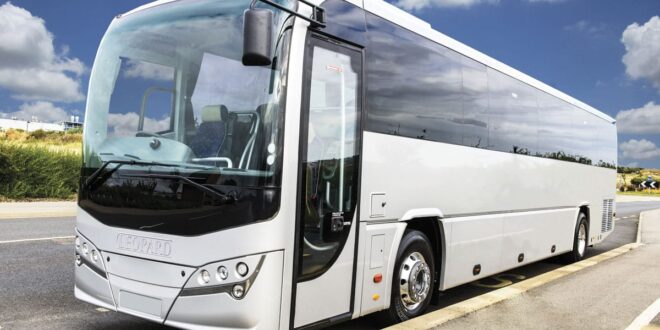
A coach company can provide transport for many different types of group journeys, from short local transfers to longer trips across the UK. Understanding how coach travel works can help organisers prepare an itinerary that meets the needs of their passengers.
Why Groups Use Coach Travel
When a large number of people are travelling to the same destination, using individual cars can make coordination complicated. Different arrival times, parking requirements and route choices can all affect the schedule.
Coach travel allows passengers to depart from an agreed location and travel together. This can be particularly useful when an event has a fixed starting time or when the destination has limited parking.
Keeping a group together can also simplify communication, as organisers can provide one set of travel instructions before departure.
Choosing the Right Type of Coach
Passenger numbers are one of the first considerations when arranging coach transport. Different vehicles have different seating capacities, so organisers should establish an accurate estimate of the number of people travelling.
The type of journey can also influence vehicle requirements. A short transfer may have different needs from a long-distance journey involving several hours of travel.
Luggage should also be considered. Airport transfers, holidays and overnight trips may require more storage space than local day trips.
School and Educational Journeys
Schools regularly require transport for activities outside the classroom. These journeys can include educational visits, swimming lessons, sporting fixtures, residential trips and travel between different school sites.
Planning is particularly important when transport must fit around the normal school timetable. Teachers and organisers should consider boarding times, expected journey duration and the time required at the destination.
Clear information about passenger numbers and the itinerary can help ensure that the journey is organised appropriately.
Corporate and Business Transport
Businesses may use coaches to transport employees or guests to conferences, exhibitions, meetings and corporate events.
Group transport can be helpful when employees are travelling from a shared location to a venue elsewhere. It may also be used to transfer delegates between railway stations, hotels, offices and event venues.
For journeys involving several collection or drop-off points, a detailed schedule can help keep the arrangements clear.
Coach Travel for Weddings and Events
Weddings and other large events often involve guests travelling between multiple locations. A ceremony and reception may take place at separate venues, while guests may also be staying at nearby hotels.
Organised transport can provide guests with defined collection and departure times while reducing the number of separate vehicles arriving at a venue.
When arranging this type of transport, organisers should consider the event schedule carefully and allow enough time for passengers to board.
Airport Transfers for Groups
Airport journeys require careful timing because passengers need to arrive with sufficient time for check-in and security procedures.
A coach company may be used to transport groups from a central collection point to an airport, allowing passengers to travel together rather than arranging separate transfers.
Flight times, expected traffic and luggage requirements should all be considered when establishing a departure time.
Planning Collection and Drop-Off Locations
Not every location is suitable for a coach to stop. Narrow roads, parking restrictions, low bridges and pedestrian areas can affect access.
Organisers should identify practical collection points where passengers can gather without causing unnecessary disruption. The destination should also be checked for suitable coach access.
For complicated journeys, providing full addresses and any relevant venue instructions can make planning easier.
Allowing Enough Time
Journey times can be affected by traffic, roadworks, weather and other unexpected conditions. Allowing additional time is particularly important when travelling to a scheduled event.
Longer journeys may also require planned rest stops. These should be included when estimating the overall journey duration.
Passengers should be given a meeting time that allows everyone to board before the planned departure.
What to Consider When Selecting a Coach Company
When choosing a coach company, organisers should consider more than the journey itself. Vehicle capacity, accessibility needs, luggage requirements and the complexity of the itinerary can all influence the arrangements.
Providing detailed information from the beginning can help establish what is required. This should include the date of travel, passenger numbers, collection point, destination, preferred times and any planned additional stops.
Preparing for a Smooth Group Journey
Good organisation can make group travel considerably easier to manage. Confirming the itinerary, communicating meeting points and checking passenger numbers before departure can reduce confusion on the day.
Whether travelling for education, work, leisure or a special event, coach transport provides a structured way to move groups between locations. With realistic scheduling and clear travel arrangements, passengers can concentrate on the journey and destination rather than coordinating individual transport.