 Vents MagaZine Music and Entertainment Magazine
Related Articles

The founder of TheColdCases.com pairs an ethics-first approach to true crime with modern tools that read, sort and connect decades of fragile public records.
In 1999, the police file on a missing 15-year-old from San Diego disappeared. With it went the witness statements, the leads investigators had followed and the evidence they had collected. The case was closed. It took until 2013 for a detective to reopen it, and the boy, Jack Duane Morgan, has never been found.
When Dustin Reed Terry reported on the case for The Cold Cases, it was picked up by LGBTQ Nation. It fits a pattern Terry knows well. He has said that cases most often go unsolved because evidence was mishandled or because there were no witnesses, and often the answers are not missing because nobody looked. They are missing because the paperwork that holds them is scattered, damaged, incomplete or simply too large for anyone to read in full.
That is the problem Terry has set out to tackle, and he is doing it with a tool most of the true crime world has barely started to use.
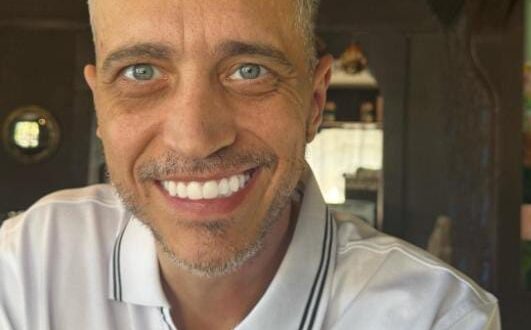
Terry is an investigative journalist and U.S. Air Force veteran based in Gainesville, Florida. He founded The Cold Cases in February 2025. It began as a YouTube channel, moved to Substack and has since grown into an independent investigative archive of unsolved homicides and missing persons cases. Each file is built from primary documents obtained through public records requests, including police incident reports, court filings, medical examiner records and newspaper archives.
The scale of the work is part of the challenge. According to FBI data, almost 40 percent of homicides went unsolved in 2024. Behind every one of those cases is a stack of records, and in older cases those records are often faded photocopies, handwritten notes, transcripts and rolls of microfilm that were never designed to be searched.
Where AI Comes In
Terry says he trains and uses artificial intelligence tools to help read, transcribe and cross-reference thousands of pages of degraded police files, public records, court transcripts and microfilm. The work falls into three parts. The first is recognising what is in an archive, the second is pulling the useful details out of each document, and the third is organising those details into structured records that can be compared side by side.
The aim, he says, is to surface connections that would be easy to miss when a single person is reading page by page, or that might take years to piece together by hand. A name that appears in two unrelated reports, a date that does not match across documents or a detail repeated in a witness statement decades apart can all become visible once the records are organised.
What Terry is careful about is what the technology is not allowed to do. At The Cold Cases, documents are read against each other before anything is written, and where the record and a person’s account disagree, the contradiction is published as a contradiction rather than smoothed over. Every file names its sources. AI helps him get through the paperwork faster, but the reporting and the judgement remain human.
That approach sets his work apart from much of the true crime genre, which often leans on dramatic storytelling over documented fact. Terry has positioned The Cold Cases as the opposite, an archive built to inform the public without exploiting the families living inside these stories. There is no paywall and no advertising, private material shared by families is published only with their consent, and tips are treated as confidential. When a case is still active, readers are directed to report what they know to the investigating agency first.
The families remain at the centre of it. Terry has conducted more than 20 interviews with cold case and criminology experts, investigators and people directly connected to unsolved cases, and many of the relatives he speaks with are telling their stories publicly for the first time.
“This project started with a simple idea,” Terry has said. “Give families a voice and keep cases alive in the public consciousness.”
As investigative journalism adjusts to artificial intelligence, Terry’s work offers one answer to how the two can fit together. The technology handles the volume. The journalist keeps the responsibility. And for families who have waited decades, a fresh, careful look through the record may be the closest thing to progress they have had in years. More of his reporting is available at thecoldcases.com.
