 Vents MagaZine Music and Entertainment Magazine
Related Articles
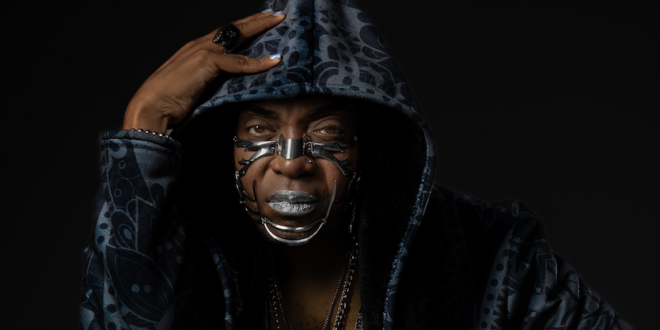
Rapper IKP recently sat down with IKP to talk about all things “KILL OR B KILLED”. The interview is below
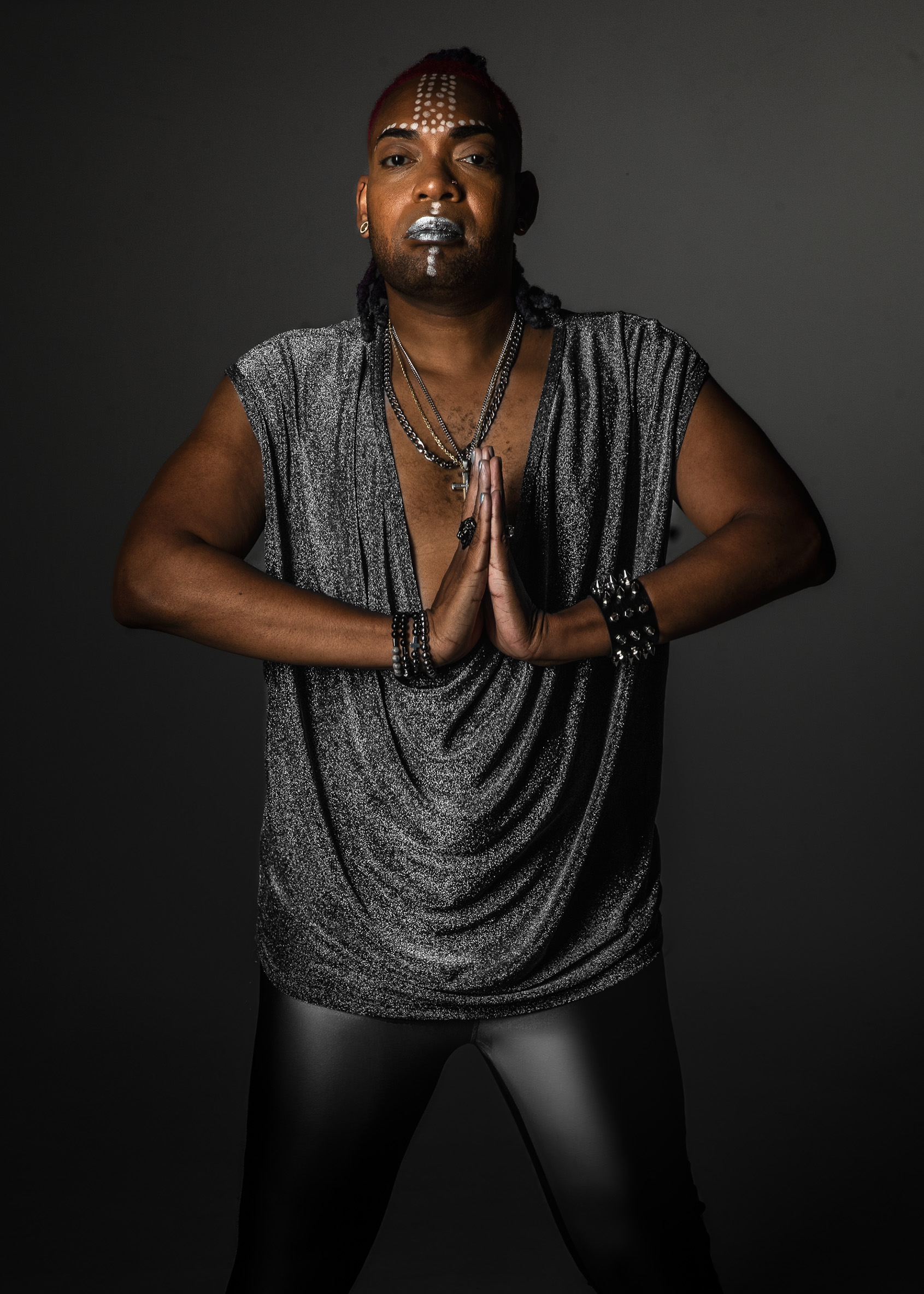
How does your Honduran-American and Garifuna heritage influence your music?
First time I’ve ever been asked this question. It comes down to spirituality that’s deeply entrenched in my family and in Garifuna culture. It’s the driving force. It reminds me of what my ancestors in my lineage endured. My ancestors were exiled from their own homeland and held on to their language and traditions as a form of resistance. That is the root of my own resilience. My path as a music artist who fully owns my sense of self hasn’t been easy. But understanding the history informs my perspective and points the way forward. There are so many ways I tap into that philosophical cosmology and how it informs my music. I use our stories of love and loss to give my music a sense of passionate urgency.
What does Afrofuturism mean to you, and how does it show up in your work?
Afrofuturism to me is anything I want the shape of the future to possess and honor through the gifts I’ve been given. It doesn’t have to look like any one thing. It just should be unafraid to want better.
How has music helped you through some of the most difficult moments in your life?
I use music to document and process some of the most difficult things I ever endured. I was sexually assaulted while serving in the military. I live with the effects of that every day. When I couldn’t talk to anyone about it, because I didn’t have the words or the resources, I turned to rap to find resilience. It’s almost ironic how the culture that was created to free us resisted my voice, yet I tapped into the core essence of that culture and willed my way forward using HipHop’s fortitude. I learned how to show up for myself every time I was told I wasn’t enough.
How did your personal experiences inspire the themes behind PSYCHE?
PSYCHE is a distillation of all those personal experiences and the lessons and blessings they gave me. Survival mode is a big part of it, but the fact that I live to tell is the point. Creating the world for it is gratitude and celebration.
What made you want to focus on performance and lyrics in the Mic Check Series?
I decided that I wanted just my voice to shine, and it was because my audience accepted that. They embraced that. They appreciate that I have so much perspective that I don’t really need so many distractions and world-within-a-world building. The realness was enough. Showing up was enough. I’ve been speaking to this audience since 201 0, when I started releasing independently. I thought they needed more. But my audience always primarily responded to what I say before anything else because it’s truth others would not speak. I spent a lot of years believing I needed to compete with industry peers because the industry would have you think that. Once I saw the value in just what I represent, I realized that all I really needed to offer was my presence. No one else shows up the way I do, saying what I say. So I chose to make the series focus on the art, like I had been doing in my IG freestyles. Instead of doing it at home, I chose clean backgrounds or locations that aligned with the overall energy. I essentially combined the concept of a lyric video with a studio performance.
How has your relationship with music changed over the years?
I used to think that the business of music would remain the same; that it was always an uphill battle that only rewarded certain people. I always approached it like an outsider who intentionally needed to disrupt. Now, to me, it’s not about needing to disrupt. The business itself is its own thing that will evolve on its own. And then I realized that the business creates rules no one really needs to abide by because even the business can’t fully predict what will or won’t work. I thought there was a format. And independent artists live outside of that ecosystem. At one time, that may have been true. Gatekeepers at their peak were the ones deciding how the culture should be represented, and now the only thing they can do with full certainty is spend money and watch what happens. The game has changed. That’s the thing. What no one else could once imagine for the culture happens again and again. There’s no reason to believe that there’s only one way to win in music and that the business has to be the nucleus that brings you life. The models of yesterday offer some tools, but the goals are all yours and the information is available. No one needs to write your script.
How did your personal journey lead you to mental health and housing advocacy?
My time in the military is the single biggest factor in many of my outcomes. The assault was a terrible and dehumanizing thing to endure. I had built myself up from that. It changed me. I became an artist to fight for the inner child I almost lost. In the process of fighting, I found myself homeless and suicidal. That journey led me to confront the depth of my illnesses, mental health, and despair that came from the incident. I never wanted to feel broken from that. But that’s what happened.
Then music helped me make that make sense. Then I started speaking out about mental illness and how the resources I found changed how I saw myself. I told the stories through social media and in my communities. People listened. Once people in that path heard what I had to say about my own healing, I discovered the power my voice really had. So then I only showed up where that voice was respected and it was in spaces where people could see someone who decided to change their life and know that because our paths met in those spaces, our paths can reflect.
Domestic violence is also part of that journey. I am just now coming to terms with that. Even though that happened in the middle of the darkest parts, more than a decade ago, I still live with the scars. When my journey offers a way to speak on it more in depth, I won’t even flinch. That’s my reality too, and I know people need to see what it looks like to survive that too.
Why is it important to you to create space for underrepresented voices in hip-hop?
As the culture matures and opens doors to hear diversified perspectives, that’s how the culture grows and evolves. Watching and participating in that evolution is the culture at its best.
What do you hope listeners take away from your music and your story?
Love yourself first above all else. That’s how you honor those that made it possible for you to be. When you love yourself and lead with that, everything you want will reveal the way forward.
Follow IKP
