 Vents MagaZine Music and Entertainment Magazine

Related Articles


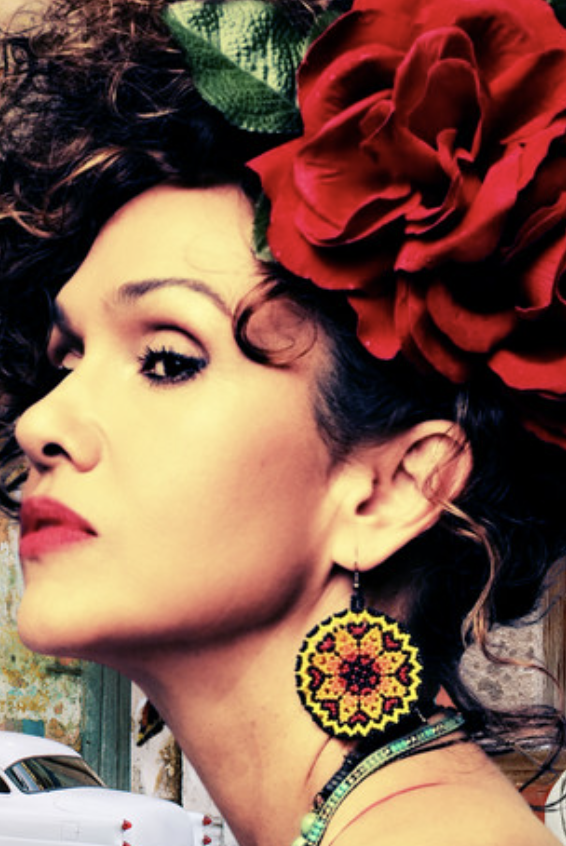
Estani recently sat down with VENTS Magazine and opened up about her personal yet inspiring new singles. The interview is below.
What inspired this album?
My grandmother, Rosita Lopez. She sang conjunto and boleros in San Antonio in the ’60s and ’70s, and I wanted to celebrate that part of her life. During the pandemic, I found four of her old 45s, and eventually I found four more through the La Frontera collection. Having those recordings made me want to do something with them. I asked if she would record again, but she felt her voice had changed too much over the years and no longer felt confident to record, so with her blessing, I decided to reinterpret the songs myself. That became Tu De Mi Te Acordarás. It’s very personal to me because it connects my own musical journey with hers.
What was it like recording a song written for your grandmother?
There’s something very special about getting to sing a song that was written for your grandmother. You already have that family connection, but then you get to bring your own voice and interpretation to it. I wanted to honor what the song meant in her life while also finding myself in it. It’s such a beautiful way to connect two generations through music.
Why did you give the song a Cumbia sound?
I love cumbia! The rhythm is joyful and infectious and immediately makes you want to move. I wanted to give the song another life and let people experience it in a different way. You could be singing the saddest lyrics, and the beat will still make you want to dance and have a great time. It really takes away all your worries for that moment. The connection to my grandmother is still there, but now it has this energy that invites people to dance and enjoy it. Hopefully, someone hears it, loves it, and then becomes curious about where it came from. They can then enjoy the conjunto version with a bolero twist.
What was it like working with Beto Martinez?
Beto was involved in the recording and mixing of the album, and having him be part of such a personal project meant a lot to me. There were a lot of things I wanted to bring together—my grandmother’s music, the conjunto sound, and my own interpretation as an artist. I wanted to bring a more current and progressive sound to the music while still holding on to that timeless vintage flavor. Working with Beto helped bring the pieces together. I’m very grateful for what he contributed to this album.
. What made you choose “Déjame En Paz” for the album?
I love a song that gives you something to say as a singer, and “Déjame En Paz” has that attitude. There’s a strength to it that I wanted to explore in my own way. With this album, I wanted people to hear different sides of the music and different sides of me, too. That song gave me room to bring out some of that personality. My grandmother always said this was her favorite song because she felt she was singing it to my grandfather who left her for another woman when she had 5 kids. He tried to come back to her and her words to him were “Dejame En Paz’ which translates to “Leave me in Peace” or, more commonly, “Leave Me Alone”. I think many of us can identify with that feeling, and I’m glad I was able to internalize the emotions and connect to the song the way my grandmother did.
What do you want people to learn about your grandmother?
I want people to know her name and hear her voice. She was part of the conjunto music scene, and her story deserves to be remembered. When we talk about the history of this music, there are women whose contributions haven’t received the same attention. My grandmother is one of those women. Of course, she’s my grandmother and I love her, but she also has a place in this musical history that goes beyond our family.
What does the documentary add to the story?
The album led me to so many more questions. As I started learning more about my grandmother’s career, I wanted to understand the world she was performing in and what other women experienced, too. The documentary has grown to include conjunto history, the people keeping it alive, and the younger generation taking it forward. I’ve interviewed 29 people, and each person brings something different to the story. You get to hear the music on the album, and through the documentary, you get to meet the people and understand why this music means so much to them.
Anything else you’d like to share with fans?
Thank you for making room for all the different sides of me as an artist. I love Latin music, jazz, soul, and of course Tejano and Conjunto. There are so many influences that have shaped who I am. This project has given me a way to connect those parts of myself with my family’s history. I’m still creating, still learning, and still going after the things I’ve dreamed about. I hope people feel encouraged by that. There’s still so much I want to do, and I’m grateful to everyone who’s coming along with me.
Follow Estani
