Vents MagaZine Music and Entertainment Magazine
Related Articles



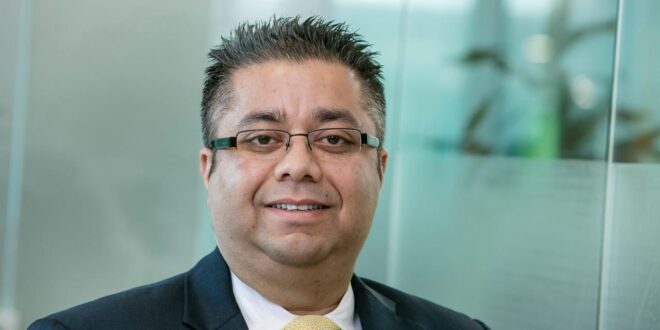
As CEO of AFL Aircraft Finance Lease Ltd, Deepak Sharma is a towering figure in the global aviation and aerospace sectors. Based in London, Sharma has made significant strides in transforming AFL into a trusted corporate partner for leading aircraft and engine lessors since its inception in 2019. With over two decades of experience in the industry, his career is punctuated by successful stints in various leadership roles, including President of Integrated Solutions and Chief Technical Officer. Sharma’s journey is marked by a focus on technical, commercial, operational, and strategic excellence. His academic foundation in Aircraft Engineering, coupled with advanced qualifications in aviation and business administration, reflects his all-encompassing approach to aviation. Recognized as a Fellow of the Royal Aeronautical Society, Sharma continues to make a significant impact on the global aerospace landscape.
What inspired you to enter the aviation industry, and how did your early experiences shape your career path?
I have always been fascinated by the idea of flight, the physics behind it, and the global connectivity it enables. My early experiences in engineering roles exposed me to the intricate balance of technical and operational aspects, which was both challenging and thrilling. Working with seasoned professionals who valued integrity and expertise over hierarchy had a profound influence on my approach. It taught me the importance of combining technical knowledge with human decency.
Given your extensive experience, how has the aviation industry evolved over the years?
The industry has undergone a significant transformation, particularly in terms of technology and sustainability. Early in my career, the focus was more on technical rigor and safety. Today, there’s an added layer of complexity with digital transformation and environmental stewardship. The pace of innovation has accelerated, and there is an increased emphasis on creating sustainable and efficient solutions. It’s been fascinating to witness and contribute to this evolution.
Can you share a pivotal moment in your career that influenced your leadership style?
One pivotal moment was a piece of advice from a mentor: “The world doesn’t need more heroes; it needs more stewards.” This reshaped my view of leadership. Instead of being the one with all the answers, I started creating environments where the right questions were encouraged. Particularly in global management, this perspective has been crucial because it acknowledges cultural differences and promotes patience and humility.
How do you cultivate a culture of mentorship within your organization?
At AFL, we integrate mentorship into our organizational ethos by promoting mutual learning. We’ve established cross-regional mentorship frameworks that encourage peer-to-peer mentoring and knowledge exchanges. It’s about leveraging diverse perspectives while maintaining shared values like curiosity and accountability. This approach fosters a culture where mentorship is not a directive but a natural outcome of our interactions.
What qualities do you believe are essential for an exceptional mentor, especially in a values-centered organization like AFL?
An exceptional mentor leads with empathy and grounds their guidance in real-world rigor. They listen actively, create space for diverse viewpoints, and serve as anchors during times of ambiguity. Importantly, a good mentor learns from those they guide. This mutuality is vital, especially in a global, values-led organization like ours, where every voice has cultural significance.
How has mentoring shaped your personal and professional growth?
Mentoring has been transformative for me. It has helped me become more patient, culturally aware, and empathetic. Conversations with mentees and team leads across different geographies have provided me with powerful insights into inclusion, communication, and resilience. These interactions have often been more instructive than conventional strategies, keeping me grounded and broadening my understanding beyond the boardroom.In this engaging discussion, Deepak Sharma highlights the importance of mentorship and leadership in the aviation industry. His career narrative is a testament to how mentorship can transcend conventional leadership, fostering environments where innovation and cultural nuances are celebrated.
How do you identify potential leaders or mentees within your teams and guide them toward long-term growth?
I look for curiosity, not just credentials. Those who ask thoughtful questions, take responsibility even when it is uncomfortable, and show quiet consistency tend to stand out. Once identified, I ensure they’re given stretch roles, paired with experienced mentors, and encouraged to set their long-term visions. Leadership is less about ambition and more about stewardship, and we strive to nurture that distinction from an early age.
What aspect of being a mentor brings you the most personal or professional satisfaction?
For me, it’s witnessing the quiet transformation when someone realizes they don’t need permission to lead, only purpose. There’s something deeply fulfilling about watching a former mentee confidently handle a crisis, mentor someone else, or challenge the status quo with clarity and grace. Those moments remind me why we do what we do.
Do you maintain relationships with early mentors, and how do they continue to influence your decision-making today?
Absolutely. While time and geography may have shifted our interactions, I still reach out and listen. One mentor once told me, “Don’t just ask yourself what’s profitable; ask what’s sustainable, what’s fair, and can you live with it if this were the last decision you were making?” That voice is with me in board meetings, client negotiations, and difficult decisions. The best mentors become part of your inner compass. Mine certainly have.
What do you see as the future of the aviation industry, especially in terms of sustainability and innovation?
The future of aviation lies in striking a balance between efficiency and sustainability. We need to innovate with a clear focus on reducing environmental impact. I foresee greater collaboration across the industry to develop new technologies, like more fuel-efficient engines and sustainable aviation fuels. The sector will also see more digital integration to optimize operations and reduce waste. It’s an exciting time, but it requires a commitment to adapting responsibly.
How is AFL positioning itself to lead in these future trends and challenges?
At AFL, we are dedicated to being at the forefront of these changes. Our investment in technology and data analytics enables us to provide innovative financing solutions that align with our sustainability goals. We are also fostering partnerships with companies that share our vision for a more sustainable future. By staying adaptable and forward-thinking, we aim not only to navigate but also lead the industry through these upcoming transformations.
What advice would you give to younger professionals aspiring to enter the aviation industry?
I advise them to stay curious and adaptable. The industry is rapidly evolving, and those who are willing to learn and pivot will thrive. Embrace the challenges as opportunities to innovate, and always prioritize integrity and sustainability in your pursuits. Building a diverse network and seeking mentors who challenge and guide you will be invaluable in your career.In closing, Deepak Sharma’s insights and visionary leadership continue to have a significant influence on the aviation and aerospace sectors. His commitment to mentorship and sustainable innovation sets a benchmark for future industry leaders. Deepak Sharma’s legacy in aviation is marked not only by his achievements but also by his dedication to cultivating the next generation of leaders.