Vents MagaZine Music and Entertainment Magazine
Related Articles


Jazz history is filled with remarkable musicians, unforgettable performances, and stories that deserve to be remembered. But preserving those moments requires more than music recordings and written accounts. Sometimes, a photograph can tell a story that words cannot. Michael Persico, a jazz trombonist, educator, and historian, has dedicated years to preserving one such visual record of jazz history through the extraordinary photographic collection of Jack Bradley, a close friend and photographer of Louis Armstrong.
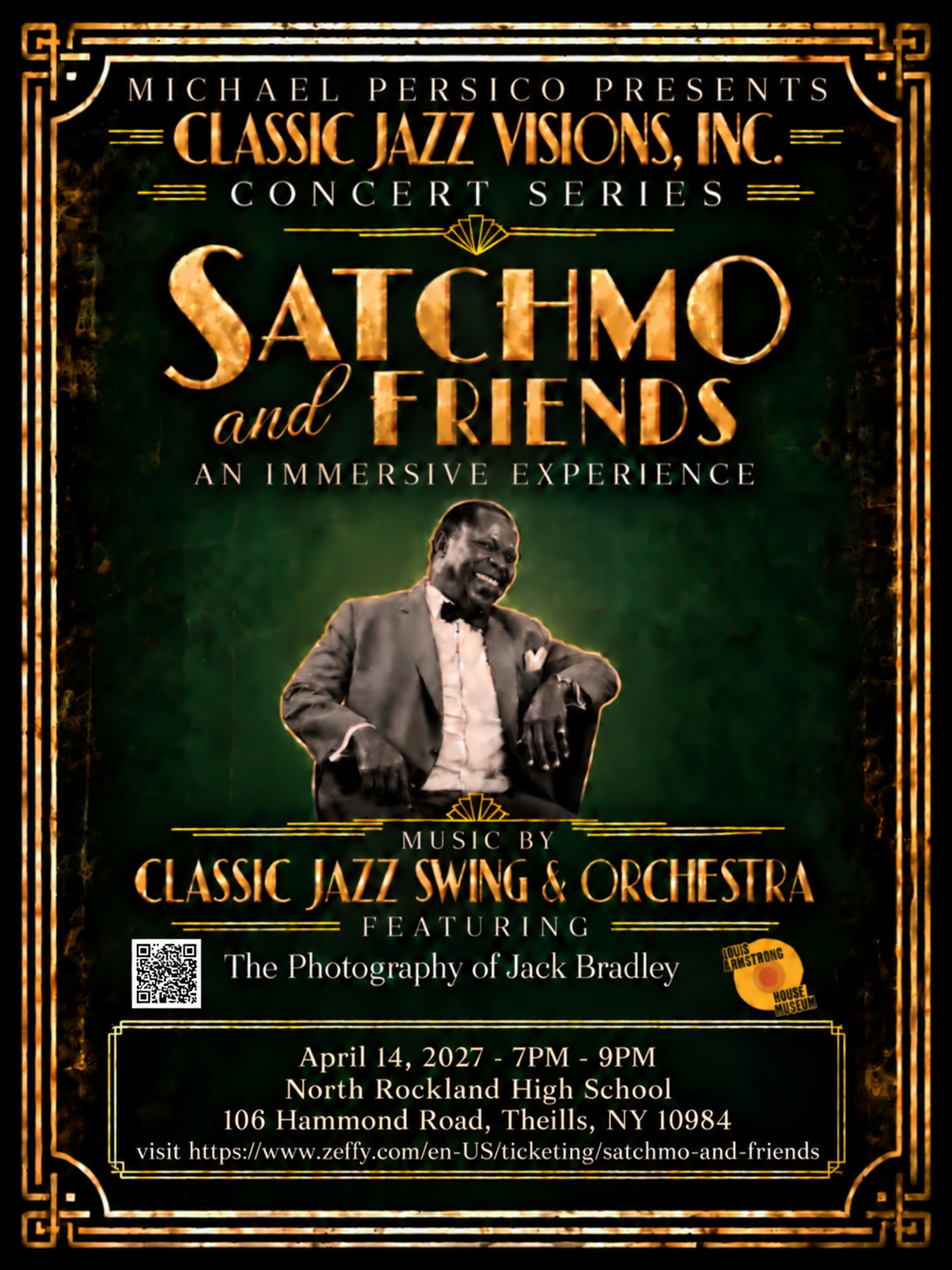
Through his book and multimedia production, Satchmo and Friends: An Immersive Experience, Persico brings audiences closer to some of the most celebrated names in jazz. We spoke with him about his journey, the importance of preserving these photographs, his creative process, and what he hopes future generations will discover about America’s musical heritage.
Q: Could you introduce yourself to our readers and tell us a little about your background?
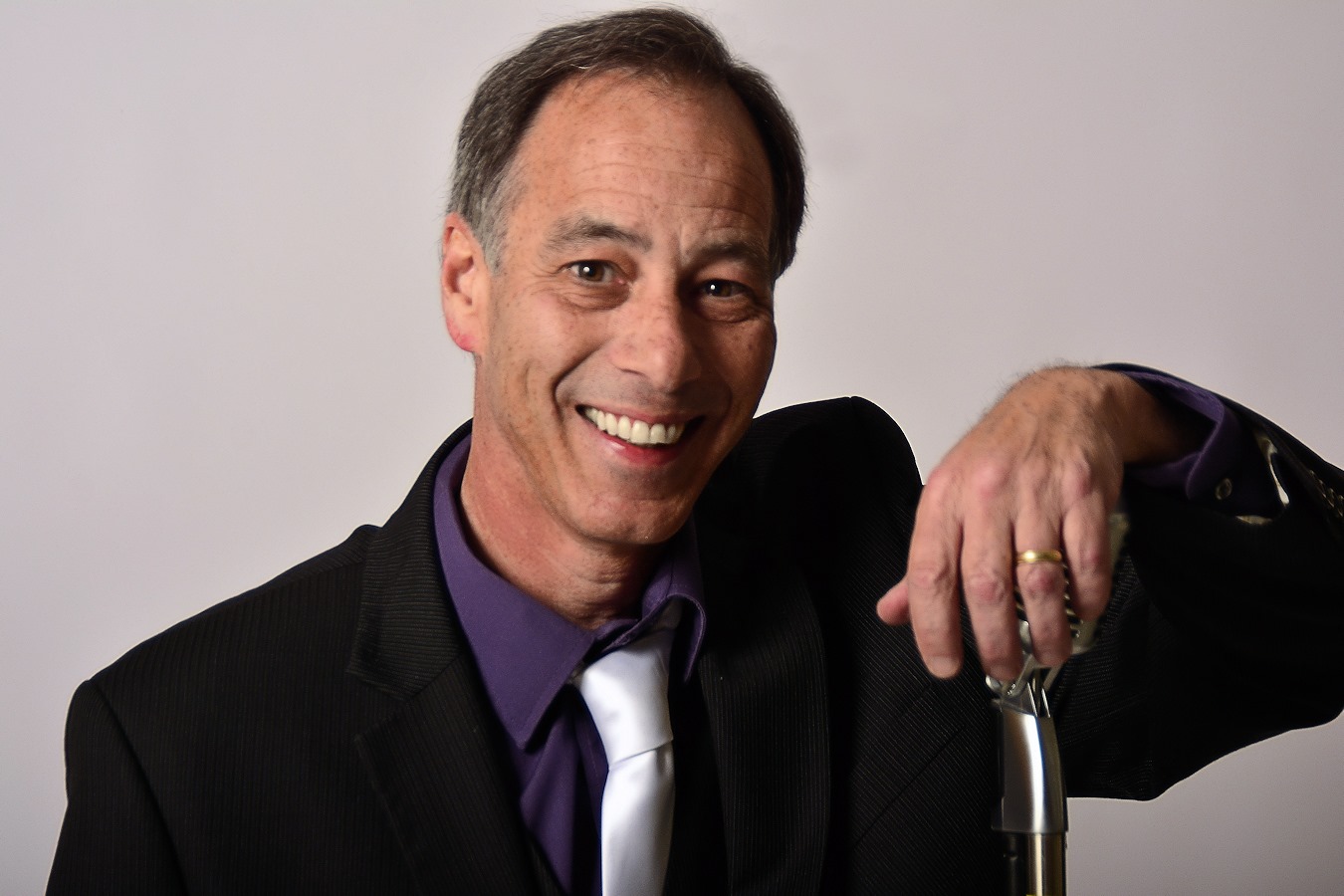
My name is Michael Persico. I’m a jazz trombonist and educator. I grew up in Garnerville, New York, and moved to Cape Cod in 1981. After retiring from teaching, I began working as an assistant to Jack Bradley, the renowned jazz photographer and close friend of Louis Armstrong. That experience eventually led me in a completely different direction, one that allowed me to become deeply involved in preserving an important part of jazz history.
Q: How did you become involved with Jack Bradley’s photographic collection, and what inspired you to preserve it?
Jack Bradley was best known for his friendship with Louis Armstrong and his remarkable photographs of the jazz legend. He also owned the world’s largest collection of Louis Armstrong memorabilia, which was purchased by the Louis Armstrong House Museum in 2006 and is now archived there.
After working with Jack for a few weeks, I discovered that the rest of his collection, including approximately 30,000 images, needed attention. It quickly became clear that these photographs represented something too important to risk losing. I felt a responsibility to take steps to preserve them.
Q: What made you decide to create a coffee table book and a multimedia presentation instead of simply donating the collection to an institution?
Initially, I considered contacting the Smithsonian Institution to see if they could preserve Jack’s work. However, I realized that the collection might end up sitting in storage for the foreseeable future.
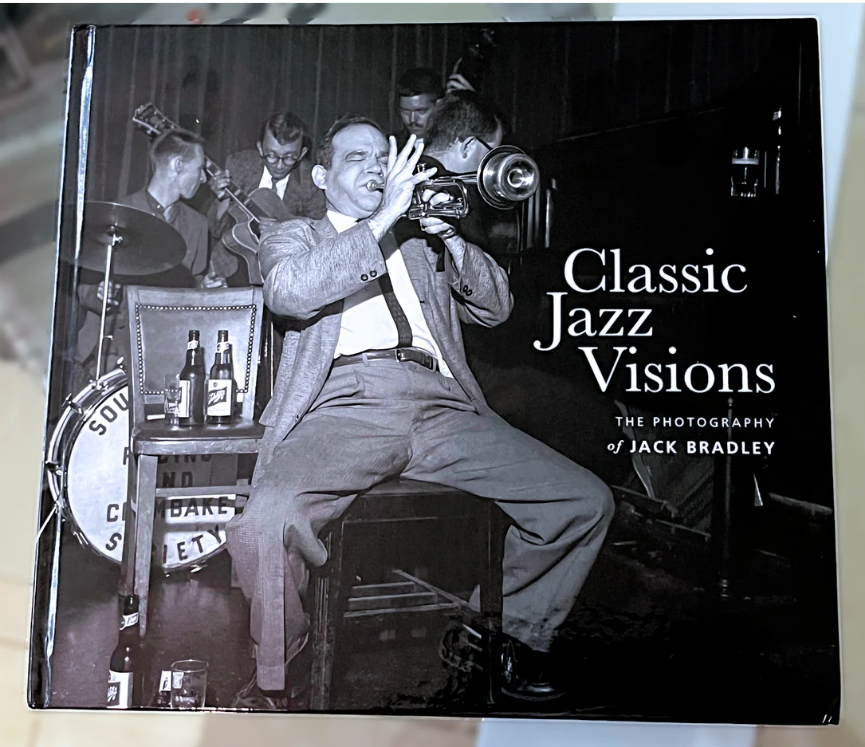
I wanted people to actually experience these photographs rather than have them remain unseen. That inspired me to create a coffee table book for collectors and develop a multimedia presentation called Satchmo and Friends: An Immersive Experience.
The live production combines music performed by my band, the Classic Jazz & Swing Orchestra, storytelling, and a slideshow featuring more than 500 rare photographs of Louis Armstrong, Duke Ellington, and many other legendary musicians.
Q: What makes Jack Bradley’s photographs particularly special compared with other historical jazz photography?
I think the greatest quality of Jack’s photographs is their natural character. These aren’t posed studio portraits. They capture musicians in concert, at home, recording, or simply relaxing between performances.
Many of the people he photographed had been well-known during the 1930s and 1940s. By the late 1950s and early 1960s, some were in the twilight of their careers. They continued performing the music they had played for decades while the popular music scene was changing around them.
Those photographs capture something genuine about the musicians and their lives.
Q: With thousands of photographs to choose from, is there one particular image that holds special meaning for you?
There were so many extraordinary photographs that choosing a favorite wasn’t easy. However, I particularly love the first photograph in my book.
It shows Louis Armstrong sitting with a cigarette before a performance. He’s in front of a mirror, and you can see Jack Bradley’s reflection as he takes the picture. It was captured in the early 1960s in Framingham, Massachusetts.
There’s something fascinating about the image. Armstrong looks weary, but at the same time, he’s ready to perform. It’s a wonderful, honest moment that tells its own story.
Q: What was the most challenging part of working on this project?
Identifying and archiving nearly 30,000 negatives before they were lost to time was probably the biggest challenge. It took me almost five years to complete that work.
One particularly meaningful contribution came from a friend and fellow photographer who digitally scanned and restored 2,500 negatives for use in my book and live presentation. That assistance helped make it possible to bring many of these images to a wider audience.
Q: You describe yourself more as a historian than an author. What does that distinction mean to you?
I see myself more as a historian because my primary interest is preserving and sharing the stories behind these photographs. The images themselves do most of the talking.
I found that they speak far louder than any words I could write. They take readers back to the waning days of the New York City nightclub scene, New Orleans, and the Newport Jazz Festival. They show musicians performing, relaxing between shows, and spending time at home.
In many ways, the story writes itself through the images.
Q: How would you describe your creative and writing process?
I’m a little old-fashioned in some ways. I write using both a pen and a laptop, and I always work at my desk.
My schedule is fairly flexible because I work from home and also serve as a caregiver to Nancy Bradley and my wife, Jane. Finding the right photographs for the book was actually much more difficult than I initially expected. With more than 30,000 images to consider, selecting the right ones was no small task.
Q: What do you hope readers will take away from your book and the stories behind these photographs?
I hope readers come away with a greater appreciation for perseverance and remaining true to one’s art.
Many of these musicians began their careers during Prohibition. They lived through a world war and continued playing even as rock and roll took over popular music. Their dedication to their craft is something worth remembering.
More importantly, I hope people understand that this is our shared jazz heritage. It belongs to all Americans as part of our cultural legacy.
Q: Have you received any memorable reactions or recognition from people who have experienced your work?
One particularly memorable moment was receiving a compliment about my work from jazz singer and Grammy Award winner Catherine Russell. Recognition from someone with such a strong connection to the music was especially meaningful to me.
I’m also grateful to everyone who has helped make this project possible.
Q: Are there people you’d particularly like to acknowledge for supporting this journey?
Absolutely. I’d first like to thank Nancy Bradley, Jack’s widow, for her continued support and encouragement. I’d also like to acknowledge Ricky Riccardi of the Louis Armstrong House Museum for allowing me to use the photographs Jack took of Armstrong. Through this work, I’m able to help spread the word about Louis and his remarkable legacy.
Q: What has been the most challenging aspect of promoting your book and reaching the right audience?
Marketing, by far. Publishing has become easier with modern technology and the growing number of self-publishing companies. Marketing, however, requires an entirely different set of skills.
For me, social media and word of mouth have been the most useful approaches. I plan to use different social media platforms while also making the book available through my website and at public performances.
Reaching readers who genuinely appreciate jazz history and photography is important to me.
Q: If you could invite two people, living or deceased, to a dinner party, who would they be and why?
Of course, I’d invite Louis Armstrong. Since I miss Jack, he’d be my second guest. Having both of them sitting at the same table with me would be truly epic.
Q: What do you think makes a good story, and what would you like to tell readers who are discovering your work for the first time?
I believe anything that inspires someone’s passion can make a good story. In this particular project, the photographs carry the stories in their own way.
I’d encourage readers to check out the book. It’s a jazz collector’s dream because none of these images have been published before. They offer a rare opportunity to experience moments from the lives and careers of musicians who helped shape American music.
Q: Finally, what are your plans for the future, particularly for Satchmo and Friends: An Immersive Experience?
My biggest hope is to bring the show to as wide an audience as possible. People of all ages can enjoy the live jazz that accompanies these photographs, and I believe the combination of music, storytelling, and historical images creates a special experience.
I’d love to take the production on a national tour soon. There’s so much history worth sharing, and I hope more people will have the opportunity to discover it.
Readers can visit ClassicJazzVisions.org to purchase the book and learn more about Classic Jazz Visions and the Satchmo and Friends: An Immersive Experience.
About Michael Persico
Michael Persico is a jazz trombonist, former educator, and jazz historian dedicated to preserving and sharing the visual history of American jazz. Through his work with Jack Bradley’s extensive photographic collection, he has helped bring rare images of Louis Armstrong, Duke Ellington, and other influential musicians to new audiences. His book and multimedia production, Satchmo and Friends: An Immersive Experience, combine historical photography, storytelling, and live jazz to celebrate America’s musical heritage.