Vents MagaZine Music and Entertainment Magazine

Related Articles
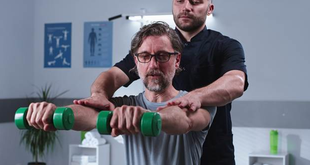


Neck and back pain can affect nearly every aspect of daily life, from sitting at a desk and driving to exercising, sleeping, and completing household responsibilities. Although occasional soreness may result from temporary muscle fatigue or physical exertion, recurring discomfort can sometimes indicate an underlying issue that requires attention. Understanding what contributes to these problems is an important step toward protecting long-term mobility and maintaining overall physical well-being.
Several factors can contribute to spinal discomfort, including poor posture, repetitive movements, improper lifting techniques, injuries, and age-related changes. Daily habits can also influence how much strain the neck and back experience over time. Fortunately, recognizing these potential causes allows individuals to make practical adjustments that may reduce unnecessary stress on the body.
Learning how to support the spine through proper movement, exercise, ergonomic improvements, and appropriate professional care can help individuals make informed decisions about their health. By identifying common sources of discomfort and understanding when additional evaluation may be necessary, readers can take meaningful steps toward improving their everyday comfort and mobility.
Recognize the Most Common Sources of Neck and Back Discomfort
Neck and back discomfort can develop gradually through everyday activities or appear suddenly following physical strain. In many cases, the underlying cause involves repeated stress on muscles, joints, ligaments, or other structures that support the spine. Understanding which activities contribute to discomfort can help individuals recognize potentially problematic habits before they become persistent concerns.
Poor posture is one of the most common contributors to musculoskeletal strain. Spending several hours sitting at a desk, looking down at a smartphone, or leaning forward while working can place additional pressure on the neck and upper back. Over time, these positions may contribute to muscle fatigue, stiffness, and reduced comfort during normal activities.
Repetitive movements can create similar problems. Individuals who perform the same physical tasks throughout the day may repeatedly engage certain muscle groups while neglecting others. This imbalance can contribute to overuse injuries and localized discomfort.
Other common contributors include:
- Prolonged sitting: Remaining in one position for extended periods can increase stiffness and reduce normal movement throughout the spine.
- Inadequate physical activity: Limited movement may contribute to weakened supporting muscles and reduced flexibility.
- Improper lifting: Bending, twisting, or lifting heavy objects incorrectly can strain the muscles and ligaments surrounding the spine.
- Sudden movements: Unexpected twisting or awkward movements can cause muscle strains and other injuries.
- Repetitive device use: Frequently looking down at phones and tablets can increase tension in the neck and shoulders.
According to Life University, neck pain affects 30–50% of adults each year. This highlights how frequently individuals experience discomfort that can interfere with everyday responsibilities.
Rather than focusing exclusively on where discomfort occurs, individuals should consider which activities make their symptoms better or worse. Keeping track of when pain develops, how long it lasts, and which movements aggravate it can provide useful information when determining appropriate next steps.
Improve Your Posture During Everyday Activities
Posture influences how the body distributes weight and manages physical stress. When the head, shoulders, and spine remain properly aligned, muscles can generally support movement without unnecessary strain. However, consistently maintaining awkward positions can increase tension and contribute to recurring neck and back discomfort.
Forward head posture is a particularly common concern among people who spend significant time using computers and mobile devices. When the head moves forward beyond its natural alignment with the shoulders, the muscles supporting the neck must work harder to maintain its position. Rounded shoulders and a slouched upper back can further contribute to muscle fatigue.
Making ergonomic improvements can help reduce these problems, especially for individuals who work at desks or spend extended periods using electronic devices.
Consider the following adjustments:
- Position computer monitors appropriately: Keep the top portion of the screen near eye level so the head does not need to tilt downward consistently.
- Choose supportive seating: Use a chair that supports the natural curve of the lower back and allows the feet to rest comfortably on the floor.
- Maintain comfortable arm positioning: Keep elbows close to the body and position the keyboard at a height that allows the shoulders to remain relaxed.
- Bring devices closer to eye level: Raise smartphones and tablets when possible rather than repeatedly bending the neck downward.
- Avoid remaining stationary: Stand, stretch, or walk periodically throughout the day to reduce prolonged static positioning.
Posture awareness should also extend beyond the workplace. While standing, individuals should distribute their weight evenly between both feet rather than consistently leaning to one side. When walking, maintaining a comfortable upright position can help encourage more balanced movement.
It is equally important to avoid treating good posture as a rigid position that must be maintained constantly. The body benefits from regular movement and changes in position. Even individuals with well-arranged workstations can experience stiffness if they remain seated for several consecutive hours.
Building small movement breaks into the daily routine can make a meaningful difference. Walking briefly between tasks, adjusting seating positions, and performing gentle shoulder movements can help prevent unnecessary tension from accumulating.
Use Proper Lifting Techniques to Protect Your Spine
Lifting heavy objects places physical demands on the muscles and supporting structures of the spine. When performed incorrectly, these movements can increase the risk of muscle strains, ligament injuries, and other forms of discomfort. Learning proper lifting techniques is especially important for individuals who regularly handle equipment, furniture, boxes, or other heavy materials.
One common mistake is bending forward at the waist while keeping the legs relatively straight. This position can place excessive stress on the lower back, particularly when lifting a heavy or difficult-to-control object. Twisting while carrying something can also create uneven loading throughout the spine.
A safer approach involves using the larger muscle groups in the legs while keeping the object close to the body.
Follow these practical guidelines:
- Assess the object first: determine whether it is too heavy, bulky, or awkward to lift without assistance.
- Stand close to the load: Positioning the body near the object reduces the distance between the weight and the spine.
- Bend at the hips and knees: Lower the body by bending the legs rather than rounding the lower back.
- Maintain a secure grip: Make sure the object can be held comfortably before beginning the lift.
- Keep the load close: Holding an object near the torso helps limit unnecessary strain.
- Lift smoothly: Avoid jerking movements or sudden changes in direction.
- Turn with the feet: Move the entire body when changing direction instead of twisting the torso while carrying the object.
Individuals should also recognize when manual lifting is not the best option. Dollies, carts, lifting straps, and other equipment can help reduce physical demands when moving heavy materials. Asking another person for assistance may also be appropriate when an object is too large or difficult to handle safely.
Repetitive lifting requires additional consideration. Even when individual objects are relatively light, repeatedly bending and lifting throughout the workday can contribute to muscle fatigue. Taking appropriate breaks, alternating tasks when possible, and using consistent lifting techniques can help limit cumulative strain.
Understand How Injuries and Underlying Conditions Contribute to Pain
Not all neck and back discomfort develops from posture or everyday habits. Injuries and underlying medical conditions can also affect the structures that support the spine and allow normal movement. Recognizing these possibilities is important because different conditions may require different approaches to evaluation and care.
Sudden injuries can occur during sports, vehicle accidents, falls, or physically demanding activities. These events may damage muscles, ligaments, joints, or spinal discs. Depending on the severity of the injury, symptoms can range from mild soreness to significant pain that interferes with normal movement.
Certain spinal conditions can also contribute to recurring or persistent discomfort.
- Herniated or Bulging Discs: Spinal discs are flexible structures positioned between the vertebrae. They help absorb impact and allow the spine to move comfortably. When a disc bulges or herniates, nearby nerves may become irritated or compressed. This can cause localized discomfort or pain that travels into the arms or legs.
- Degenerative Disc Disease: Spinal discs naturally change over time. As they lose some of their flexibility and cushioning capacity, individuals may experience stiffness, reduced mobility, and recurring discomfort. These changes do not always produce symptoms, but they can contribute to pain in some people.
- Spinal Stenosis: Spinal stenosis occurs when the spaces within the spinal canal narrow, potentially placing pressure on nearby nerves. Depending on the location, symptoms may include back or neck pain, numbness, tingling, and weakness.
- Osteoarthritis: Osteoarthritis involves the gradual deterioration of cartilage within joints. When it affects spinal joints, it may contribute to stiffness, inflammation, and reduced range of motion.
- Muscle Strains and Ligament Sprains: Muscles and ligaments surrounding the spine can become overstretched or damaged through sudden movements, repetitive activities, or excessive physical demands. These injuries may cause localized tenderness, stiffness, and discomfort when moving.
According to ClinicMind, back pain affects more than 70% of the population at some point. Because discomfort is so common, individuals may sometimes assume that recurring symptoms are simply an unavoidable part of everyday life. However, persistent or worsening pain deserves appropriate attention.
Nerve-related symptoms are especially important to recognize. Tingling, numbness, weakness, or pain that travels into the arms or legs may indicate nervous system irritation. These symptoms should be discussed with a healthcare professional rather than ignored.
Although several spinal conditions can produce similar symptoms, a proper evaluation can help identify potential causes. Depending on the circumstances, a provider may review medical history, perform a physical examination, assess movement, and recommend diagnostic imaging when clinically appropriate.
Know When to Seek Professional Evaluation
Occasional soreness following exercise or physical activity may improve with appropriate rest and routine self-care. However, persistent, recurring, or worsening discomfort should not automatically be dismissed as ordinary muscle fatigue. Professional evaluation can help identify potential causes and determine whether additional treatment or testing is appropriate.
Certain symptoms warrant particular attention. Individuals should seek prompt medical evaluation when discomfort occurs alongside:
- Pain following a significant accident, fall, or injury.
- New or progressive weakness in the arms or legs.
- Persistent numbness or tingling.
- Pain accompanied by fever.
- Unexplained weight loss occurring alongside persistent discomfort.
- Symptoms that continue to worsen or interfere significantly with normal activities.
Some symptoms require emergency medical attention. New loss of bladder or bowel control or numbness around the groin or saddle region can indicate serious nerve compression and should be evaluated immediately.
When seeking care, individuals may encounter various healthcare professionals. Primary care providers can evaluate symptoms, review medical history, and help determine whether referrals or additional testing are necessary. Physical therapists may assist with improving strength, mobility, and movement patterns. Chiropractors may also provide certain forms of musculoskeletal evaluation and treatment.
According to the American Chiropractic Association, there are approximately 70,000 chiropractors in the United States who must pass four national board exams and obtain state licensure. This information outlines the formal education, examination, and licensing requirements for the profession.
It is also important to understand that no single treatment approach is appropriate for every person. Effective care depends on the underlying cause of discomfort, symptom severity, and individual circumstances. Patients should feel comfortable asking questions and discussing alternative approaches before proceeding with treatment.
Take Practical Steps Toward Better Spinal Health
Neck and back discomfort can develop for many reasons, including poor posture, repetitive movements, improper lifting techniques, injuries, and underlying medical conditions. Although some causes are difficult to prevent entirely, everyday habits can influence the amount of physical strain the spine experiences over time.
Improving workstation ergonomics, practicing safe lifting techniques, strengthening supporting muscles, and maintaining healthy sleep habits are practical ways to support long-term mobility. Recognizing unusual or persistent symptoms is equally important, as timely professional evaluation can help identify issues that may require further attention.
Rather than making drastic lifestyle changes, individuals can begin with manageable adjustments and gradually build healthier routines. Consistent attention to movement, recovery, and overall physical well-being can help support greater comfort and confidence during everyday activities.