Vents MagaZine Music and Entertainment Magazine
Related Articles



When access to medication is disrupted, a little advance planning can help families and travelers make informed decisions instead of scrambling.
The pandemic changed how many families thought about medical readiness. A prescription that was usually easy to refill could become harder to obtain, while healthcare services and pharmacy supplies did not always operate as expected. The lesson was practical rather than alarming: access can change quickly, and preparation works best before a disruption begins.
That lesson still applies. Severe weather may close roads or businesses. A delayed flight can extend a trip beyond the medication packed in a suitcase. A pharmacy may face a shortage, or an emergency may make an ordinary errand impossible.
None of these situations requires a worst-case mindset. They simply show why healthcare resilience deserves a place beside food, water, contact information, and other household planning.
Physician-Designed Emergency Kits That Go Beyond Bandages and Antiseptic
A traditional first-aid kit is designed for immediate needs such as small cuts, minor burns, or sprains. Emergency medical preparedness takes a broader view. It considers what a person might need if access to routine healthcare or a pharmacy were interrupted, including suitable emergency preparedness medications.
That does not mean collecting medicine without a plan. A useful kit reflects the needs of the people who may rely on it. Age, allergies, existing health conditions, current prescriptions, potential drug interactions, and reasons certain medications may be unsafe all matter. So do expiration dates and storage instructions. Families should review supplies periodically and seek clinician guidance when deciding which medications belong in their plans and how they should be used.
Choosing Between Premade and Custom Emergency Medical Kits
Ozio Medical is a telemedicine platform for emergency medical preparedness. It offers premade, physician-designed emergency kits as well as individual medications for people who prefer to customize or build their own emergency medical kits.
For someone starting from scratch, a premade kit offers a place to begin. Others may prefer the flexibility of choosing individual medications based on their household or travel needs. In either case, telehealth emergency medicine is most useful when paired with advance review, clear instructions, and an understanding of when professional care is necessary. Ozio Medical also directs readers to its preparedness resources and FAQs for further information.
Medication Access Requires Medical Judgment
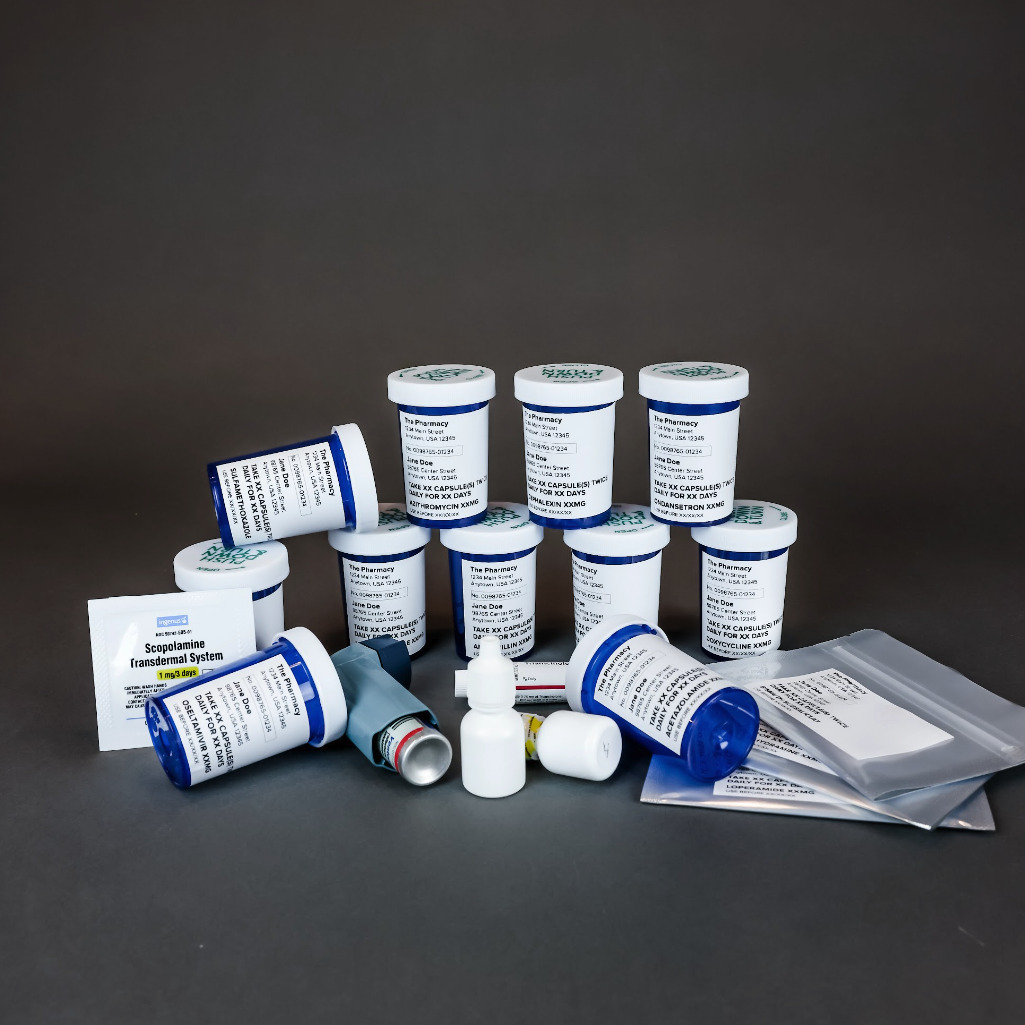
Image Source: Ozio Medical
Knowing where to buy ivermectin or mebendazole for parasites online is only part of the equation. Understanding when either medication is appropriate matters just as much. Both are antiparasitic medicines used for specific worm infections. Oral ivermectin is approved to treat intestinal strongyloidiasis and onchocerciasis, while mebendazole is used for certain gastrointestinal worm infections, including pinworm, roundworm, whipworm, and hookworm. Neither medication should be viewed as a general preventive treatment, and decisions about taking either should be made with a qualified clinician.
The same principle applies throughout travel medicine and household preparedness. Owning a medication does not replace understanding its purpose. People need to know who can take it, what may interact with it, how it should be stored, and when symptoms call for urgent evaluation instead of at-home treatment.
Prepared Before the Moment Arrives
Trying to assemble supplies during a storm, shortage, or travel delay adds pressure to an already difficult situation. Planning gives families time to ask questions, assess individual needs, and organize emergency medical kits responsibly.
Preparedness should leave people feeling informed and capable, not frightened. The goal isn’t to plan your life around emergencies. It’s to make sure you’re not starting from scratch when one interrupts it.