Vents MagaZine Music and Entertainment Magazine
Related Articles

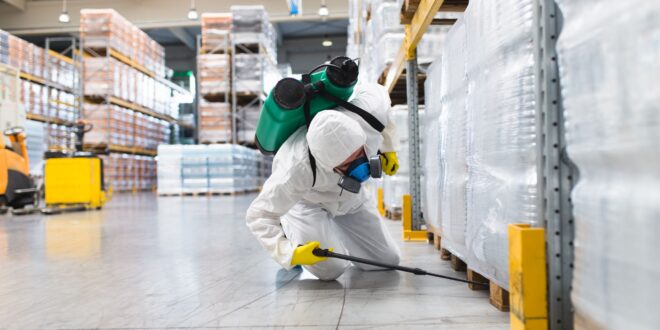
When a customer audit, a certification review or a regulatory inspection is coming up, most factory managers think about paperwork first. Auditors, however, tend to head straight for the places where pests are most likely to show up. Knowing where they look makes it easier to fix problems before the visit rather than explain them during it. These are seven areas that auditors usually check first in Singapore factories, the pests linked to each one and how a scheduled pest control programme keeps them compliant.
1. Loading bays and dock doors. This is the main entry point for rats coming in from drains, bin centres and neighbouring units. Auditors look at door seals, the gap under roller shutters, how long doors stay open and whether bait stations along the outside wall are numbered, intact and recorded. A rat can get through a gap that looks far too small, so worn seals and damaged brush strips are a common finding.
2. Raw material storage. Bulk ingredients, packaging and pallets are both food and shelter for rodents, cockroaches and stored-product insects. Auditors check that stock sits on pallets, off the floor and away from walls, that older stock is used first and that there are no damaged sacks or spillage. They also look behind and under racks, where droppings and gnaw marks often go unnoticed.
3. Drains and floor traps. Gullies and floor traps without proper gratings give cockroaches and rats a direct route inside. Auditors check that covers are in place, that drains are clean and free of standing water, and that there is no build-up of food residue in wash areas. Standing water in drains and on roofs can also breed mosquitoes, which is a separate concern for many sites.
4. Canteens and pantries. Staff canteens and pantries are often treated as low-risk, but they produce food waste every day. Auditors look at how food is stored, whether bins are covered and emptied daily, and whether there are signs of cockroaches under counters, inside appliances and behind vending machines. Many factories apply the same standards here as in a commercial kitchen.
5. Waste bins and compactors. Refuse areas attract rats, cockroaches and flies quickly. Auditors check that bins have lids, that the area is washed down regularly, that waste is removed on schedule and that compactors are not leaking. A dirty waste area close to the production building is one of the most common audit findings.
6. Ceiling voids and cable trays. Rats travel through false ceilings, risers and cable trays, often between neighbouring units. Auditors may ask whether ceiling voids are inspected, whether gaps around pipes and cables are sealed and whether there is any sign of gnawed insulation. Damage to wiring is a safety risk as well as a pest problem, and it can cause costly downtime.
7. Perimeter and landscaping. Overgrown vegetation, stacked pallets and unused equipment along the outside of the building give pests cover right next to the walls. Auditors look for a clear strip around the building, tidy external storage and a maintained bait station line. Specialist rodent control singapore programmes usually focus heavily on this outer ring, because stopping rats outside the building is easier than removing them inside.
What auditors expect to see on paper. Beyond the physical checks, auditors ask for evidence that pest control is managed. This normally means a contract with a licensed operator, a site plan showing every monitoring station, dated service reports, a record of products used, and proof that recommended fixes were carried out. A factory with tidy floors but no records will still struggle in an audit. Sites with large storerooms can also look at dedicated pest control for warehouses singapore programmes, which are designed around stock protection and monitoring.
How a scheduled programme keeps you compliant. A good programme is built around the site rather than a standard package. It starts with a survey and risk map, places monitoring stations where they are needed, sets a visit frequency based on risk and produces reports after every visit. Working with a provider of commercial pest control singapore services that understands audit requirements means the records are ready when the auditor asks for them, not pieced together the night before. Factories with food handling areas or central kitchens can also apply the same approach used in pest control for restaurants singapore programmes for those spaces.
What to do next. Walk these seven areas with your pest control provider before the next audit, list what needs fixing and assign each item to someone on the factory team. Small repairs and better housekeeping, backed by regular monitoring, are usually what separate a clean audit from a list of findings.