Vents MagaZine Music and Entertainment Magazine
Related Articles
Anyone who has merged onto the I-190 at rush hour or crept through a lake-effect squall knows that driving rarely goes by the book. Other motorists text, speed, drift, and brake for no clear reason. Defensive driving is the habit of expecting those moments and leaving room to handle them.
Even experienced drivers can’t control someone else’s mistake. When a crash does happen, resources such as Buffalo car accident attorneys can explain what comes next. The better outcome is avoiding the collision altogether, and that starts with a few steady habits.
Defensive Driving Techniques That Help Prevent Car Accidents
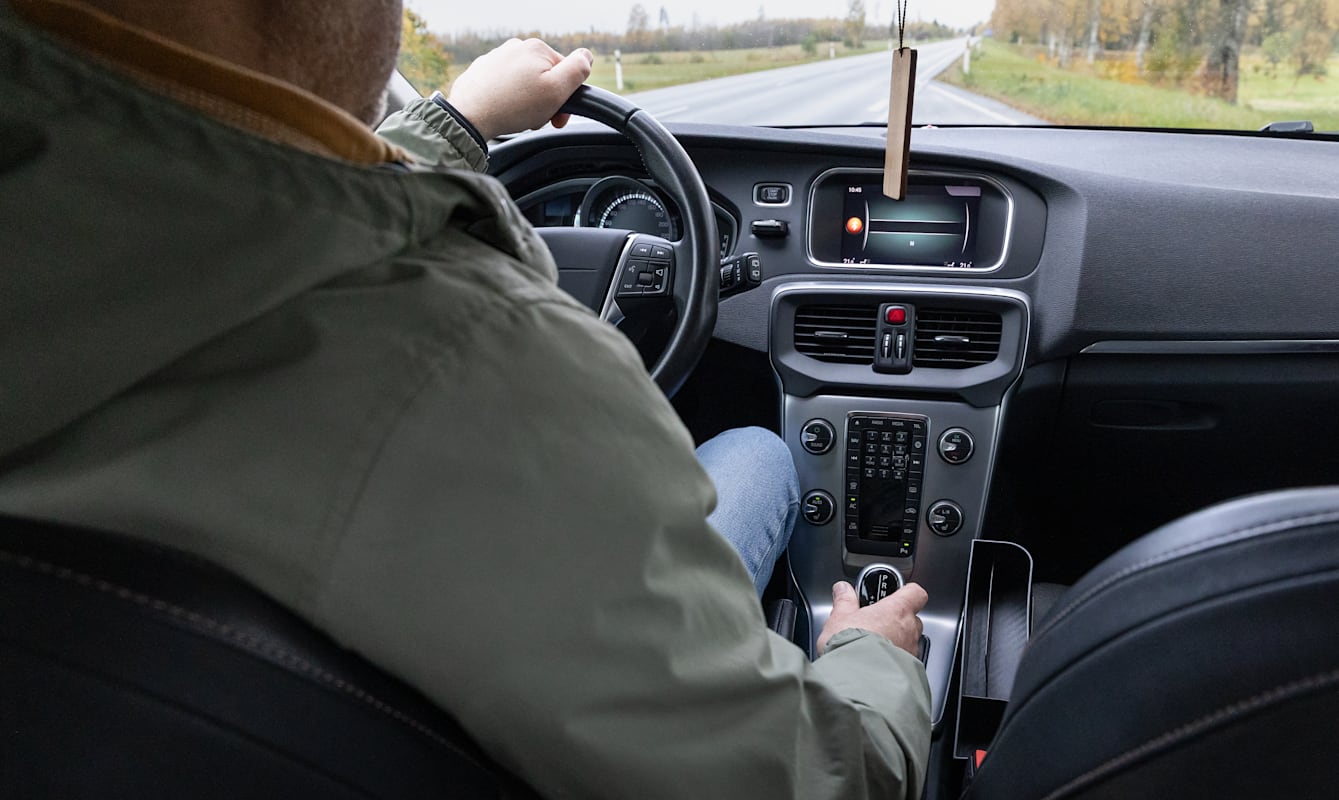
Maintaining enough space behind the vehicle ahead gives drivers extra time to react when traffic suddenly slows or comes to a stop. Glancing at mirrors every few seconds, checking blind spots before a lane change, signaling early, and slowing slightly at intersections all add more margin.
Good defensive drivers look past the car ahead. Picture someone on the Kensington Expressway who spots a cluster of brake lights four cars up. Easing off the gas right then is smoother and safer than slamming the brakes when the bumper in front suddenly gets close.
Distracted Driving and the Importance of Staying Alert
The National Highway Traffic Safety Administration (NHTSA) puts it plainly: “You cannot drive safely unless the task of driving has your full attention.” The agency counted 3,208 deaths tied to distracted driving in 2024.
Phones get most of the blame, but eating, adjusting a navigation app, or turning to talk with a passenger can pull attention away just as fast. Setting the route before pulling out and keeping the phone out of reach take the temptation off the table.
During Operation Hang Up in April 2025, the New York State Police issued 4,607 distracted driving tickets in a single week.
How Speeding and Aggressive Driving Increase Accident Risks
The NHTSA reports that speeding-related crashes killed 11,288 people in 2024. As vehicle speed rises, drivers have less time to respond to hazards, while the distance required to bring a vehicle to a complete stop becomes longer.
Aggressive drivers add another layer of risk with tailgating, weaving, and road rage. A defensive driver who gets tailgated doesn’t brake-check or speed up. They move over when it’s safe and let the other car go.
Everyday habits matter here, too, and a guide to the do’s and don’ts of safe driving covers more basics.
Defensive Driving in Bad Weather and Heavy Traffic
Buffalo drivers know weather can change a commute in minutes. Rain, snow, ice, and fog all call for slower speeds, gentler braking, and more distance. Work zones deserve the same caution.
On a wet highway after a downpour, dropping 10 mph below the limit and doubling your usual following distance gives your tires a better chance to grip if traffic stops.
What to Do After a Car Accident
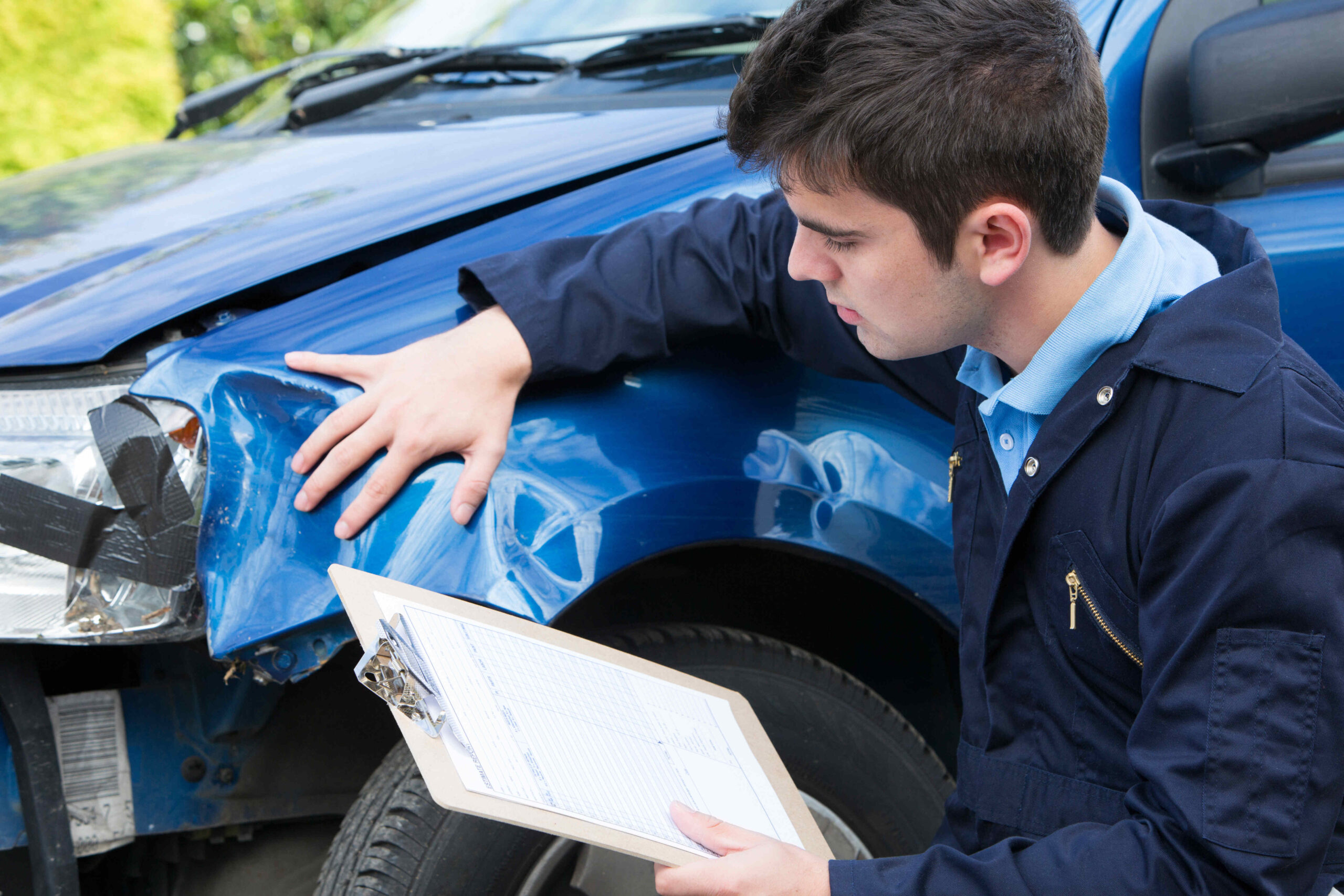
Even careful drivers sometimes get hit. The first few minutes after a crash can feel like a blur. Your first job is to make sure everyone’s okay, and if someone is hurt, call 911 right away. If a car can still be driven, pull it out of traffic.
Police may need to come out, depending on the situation. While waiting, snap a few photos of both cars and the surrounding area, then exchange insurance information with the other driver. Seeing a doctor is smart even when nothing hurts yet, since some injuries take a day or two to show up. Understanding one’s rights afterward can also make the next steps less confusing.
Making Defensive Driving an Everyday Habit
The safest drivers don’t save these habits for long road trips. They use them in their everyday lives, too. A little patience and attention on every drive adds up.
FAQ
What are the most important defensive driving habits?
Keep plenty of room around the car and check mirrors often. Put the phone away, too, and try to guess what the driver in the next lane might do.
How does defensive driving help prevent car accidents?
Mostly, it buys time. A driver who sees trouble coming has a few extra seconds to slow down or steer clear.
How Can Drivers Protect Themselves on the Road During Severe Weather Conditions?
Go slower than usual and leave more space than seems necessary. Keep the headlights on and avoid stomping on the brakes.
What should you do after being involved in a car accident?
Make sure everyone’s safe and get help if needed. After that, take pictures, swap information, and talk to a doctor and, if necessary, a lawyer.