Vents MagaZine Music and Entertainment Magazine
Related Articles
- Hi guys, welcome to VENTS! How have you been?
We have been fantastic! Winding down a little bit from a busy year but we have no complaints (other than it’s about to get really cold where all of us are at soon).
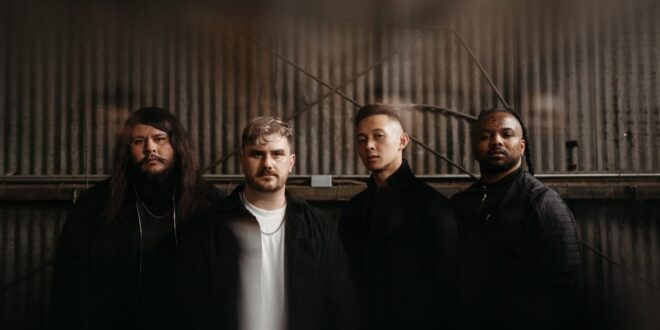
- So you are back with your new album, Death Of The Altar, following 2023’s Omen, which has surpassed 65 million streams. With that success behind you, how did you approach this record differently, and what did you want to challenge yourselves with creatively as you began writing the next chapter of the band?
With OMEN hitting a lot of milestones that we didn’t expect, naturally we wondered how we could grow and what the new record would sound like and what the process would be like to achieve similar success or beyond. As we started writing the songs and fleshing out where we wanted to go with the direction, it became clear for us that we didn’t need to worry about any external pressure or set any expectations, outside of being as brutally honest and forthcoming with the message of the album. ALTAR is an extension of OMEN in a lot of ways – we want to be as heavy as possible while keeping our melodic tendencies (and in so many ways, we turned up our favorite bits from the last album x10). ALTAR was a labor of love and patience and we could not be more proud of how everything eventually turned out.
- The album does a great job balancing crushing metalcore riffs, industrial electronics, and this really soaring choruses, with both Tyler and Damon trading screams and clean vocals. How do you approach those contrasting elements when building a song, and how important is the tension between aggression and melody to the band’s identity?
Thank you for the compliments! All of us come from different musical backgrounds so being able to meld those together is important to represent all of our favorite styles and hit those emotional/nostalgic checkpoints that we love to have in our music. Our foundation has always been being as heavy as we can along with having those melodies that will never leave your head. Our favorite artists did that growing up and in our own way, we strive to do the same.
- Your focus track, “Too Late,” explores regret and the painful realization that some damage cannot be undone. What drew you to that particular subject, and how did you translate such a difficult emotional experience into the song’s musical dynamics and vocal performances?
I (Damon) have been in many situation in my life where I hurt people and didn’t realize the scope of what I had done until I was willing to accept that accountability and change. Sometimes the things we do are unintentional but have very real consequences – and to dismiss those consequences and the feelings of who was affected are equally as damaging. People are not required to forgive you and some can’t ever get past the hurt that was done to them. This song felt like a form of therapy for me to acknowledge all sides of this dynamic and felt like it poured out of me when we were writing and recording this one.
- The title Death Of The Altar suggests the destruction of something once held sacred or placed on a pedestal. What does the title mean to you, and how does it connect to the album’s broader themes of grief, regret, self-destruction, and the possibility of moving forward?
The core idea of the title is that we’ve traded our health, clarity, and connection for things that never truly love us back—scrolling feeds, endless opinions, fleeting highs, and toxic attachments that promise fulfillment but leave us hollow. This creates a feedback loop of emptiness and leaves us searching in all the wrong places for the love we crave as human beings. All of us in the band felt like we were at individual crossroads – this revelation allowed us to explore this theme together and in a way we haven’t done before as a band, friends and brothers.
- Mental health advocacy has long been central to Of Virtue’s music, and this album appears to take that honesty even further. How do you navigate the responsibility of addressing subjects like emotional struggles and destructive behavior while making sure the music remains a genuine expression of your own experiences rather than a message designed for an audience?
The songs themselves are all stories and moments that have originated from our own lives. We want to address mental health in a variety of ways and often times, it is shown from more of the glass half full perception. Part of the power of ALTAR was us actually breaking down how we felt in real time and offering up the most brutally honest takes – and sometimes those aren’t the most hopeful or optimistic. You’ll have bad days where you feel miserable and selfishly want others to feel the same. It doesn’t make you a bad person, but it highlights how we have to navigate those thoughts in real time and the patience we need to exercise to get through those tense moments. It’s impossible to change if you don’t acknowledge the good and the bad all at once and we wanted to make sure this record did that with full transparency.
- One of the most powerful ideas behind Death Of The Altar is that people shouldn’t be defined by their worst decisions. Why was it important for you to communicate that perspective, and how do you reconcile personal accountability with the understanding that people can change, recover, and rebuild their lives?
I am a product of that very theme and it is a central reason to why this bands exists in the first place. We are all human and will make mistakes as we progress on our own paths in life. To always be seen as an older, incomplete version of yourself when you are constantly striving to do better undermines the essence of growth and can be damaging to someone who is trying to rebuild themselves. Our goal as a band is to let people know that we are imperfect – yet beautiful beings who need to allow ourselves and others grace.
- Both Damon and Tyler have embraced sobriety, and the experiences that come with confronting destructive patterns have become part of the band’s wider story. How has sobriety influenced your creative process, your relationships within the band, and the way you approach the emotional intensity of your music?
The focus and clarity that comes from our respective journeys has allowed us to really dive deep into ourselves without hiding behind substance or self destructive thought processes. We can hold each other accountable without feeling like we are overstepping any boundaries and also navigate some of the difficulties that will always come up in everyday life and in band life respectively. When everyone is in tune with each other, our ability to create becomes so much easier as well!
- Damon, becoming a father after 18 years of sobriety marks a significant new chapter in your life. Has fatherhood changed your perspective on the themes you write about, particularly when it comes to responsibility, healing, and the kind of person you want to be for the people who depend on you?
Even in my short time being a father, my whole perspective has shifted in ways I couldn’t have imagined. Initially when I found out, I had so many emotions running through my mind. Like the main theme of ALTAR, there were a lot of things I had to confront and let go of so that I could fully embrace this new chapter in my life. My father died from drug addiction when I was at a young age and at various points in my life I struggled with not having my other parent here to help guide me. Even with being sober, I still have plenty of things I need to work on to heal my own inner child and be the person for my son that I needed growing up.
- When you’re writing, do you begin with the emotional core of a song and build the production around it, or can a particular riff, electronic element, or vocal idea lead you toward an unexpected subject?
The process for our songwriting is never the same for each song! The most common thing though is conversation. We all strive to talk and discuss topics that mean something to us so most often, the song ideas are born that way. Other times, someone will bring in a riff/demo or we can come up with stuff right on the spot and just vibe out!
- With Death Of The Altar now out in the world, what do you hope listeners take away from this chapter of Of Virtue, especially those who may be struggling with regret, grief, addiction, or the feeling that their past mistakes have permanently defined them? And how do you hope the album’s message evolves as you bring these songs to the stage?
We want our listeners to feel connected to our stories and know that if they are struggling/know people that are going through anything that they are not alone and we will always be with them in song and spirit. We can’t tell anyone what they are going to experience when they listen to the record but what we have laid out are 11 songs that changed the course of our lives in so many ways. If you feel empowered, we have succeeded. If you feel hope or passion, then we have succeeded.