Vents MagaZine Music and Entertainment Magazine
Related Articles


Driving may feel like an individual activity, but its consequences are communal. A hurried turn can endanger a cyclist, while a glance at a phone can put pedestrians at risk. Responsible driving begins with recognising that every journey takes place in a shared public space.
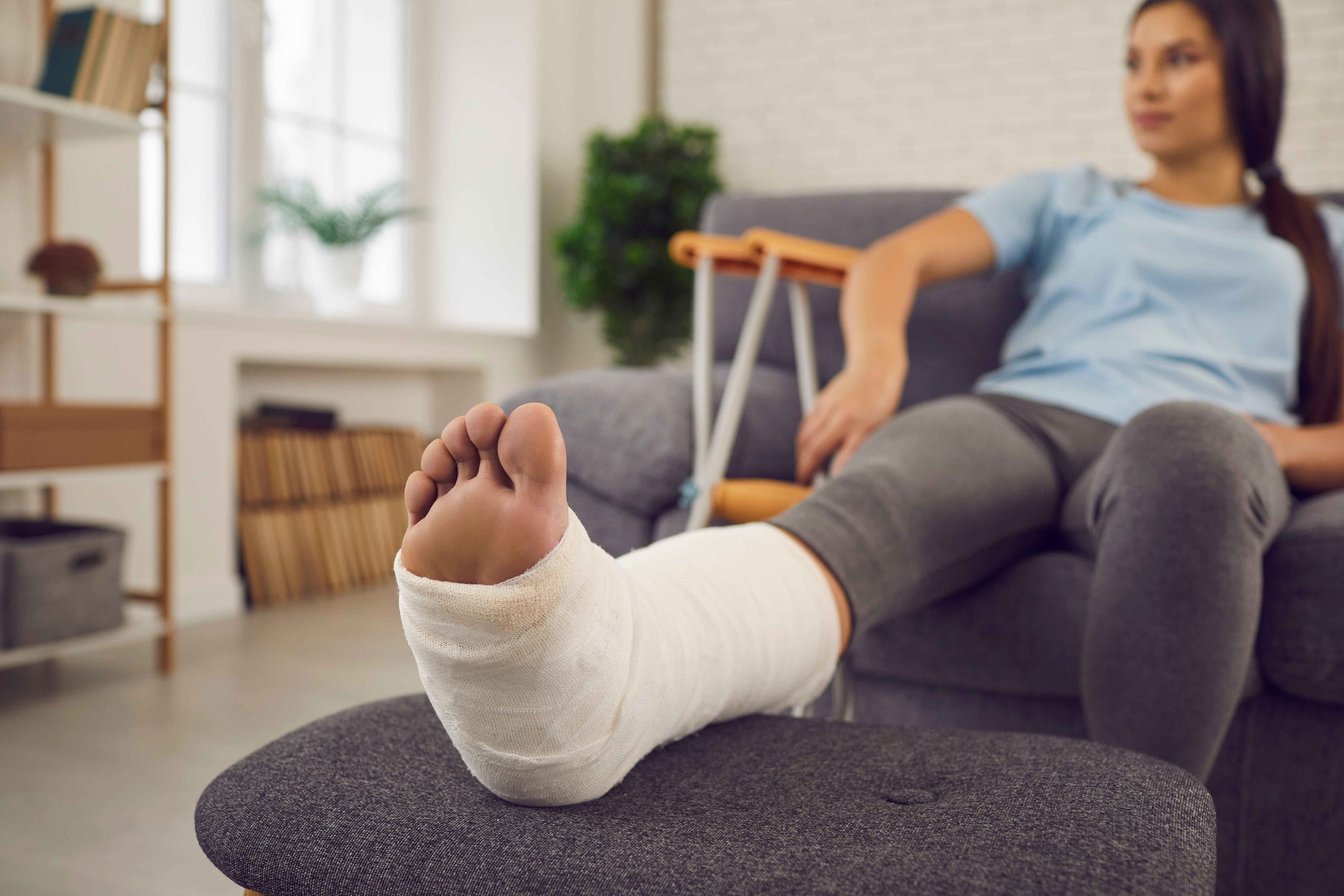
After a collision, those affected may need medical, insurance, and legal information. Resources such as Siegfried & Jensen Salt Lake City car accident lawyers can provide context about accident-related legal questions. And while resources help give context to resources available, prevention depends on choices made before a crash ever occurs.
How Responsible Driving Creates Safer Communities
Safe drivers give themselves time to observe and respond. They approach school zones expecting children to appear, slow before residential crossings, avoid aggressive lane changes, and maintain enough following distance to stop safely.
These choices protect passengers, families, road workers, cyclists, and emergency responders. Patience at a busy Salt Lake City intersection may add seconds to a trip, but it can prevent a decision that affects several lives.
Distracted Driving and Speeding Remain Major Road Safety Risks
Distraction includes texting, checking notifications, eating, or adjusting navigation. The National Highway Traffic Safety Administration’s distracted-driving statistics show that crashes involving distracted drivers killed 3,208 people and injured 315,167 in 2024. Spending merely five seconds reading a text is sufficient to traverse the entire length of a football field traveling at a velocity of 55 miles per hour.
Speed reduces reaction time and can increase crash severity. According to the Utah Highway Safety Office, the state recorded 291,478 crashes, 8,582 serious injuries, and 1,483 deaths from 2020 through 2024. Speed contributed to 32% of those fatalities.
These numbers reflect how dangerous distracted driving and speeding can be for drivers, pedestrians, and others.
Protecting Pedestrians, Cyclists, and Other Road Users
People outside vehicles have little protection during a collision. Drivers can reduce risk by yielding at crosswalks, checking blind spots before turning, and leaving cyclists sufficient space.
Near a school, a responsible driver slows before reaching the crossing instead of braking only after seeing a child. On an urban street, checking the passenger-side blind spot before turning right may reveal a cyclist.
And at night, lower speeds provide more time to recognise someone entering a roadway.
Everyday Safe Driving Habits That Prevent Car Accidents
Phones can be silenced or placed out of reach before departure, and navigation can be programmed while parked. Friends attending an event can select a sober driver in advance.
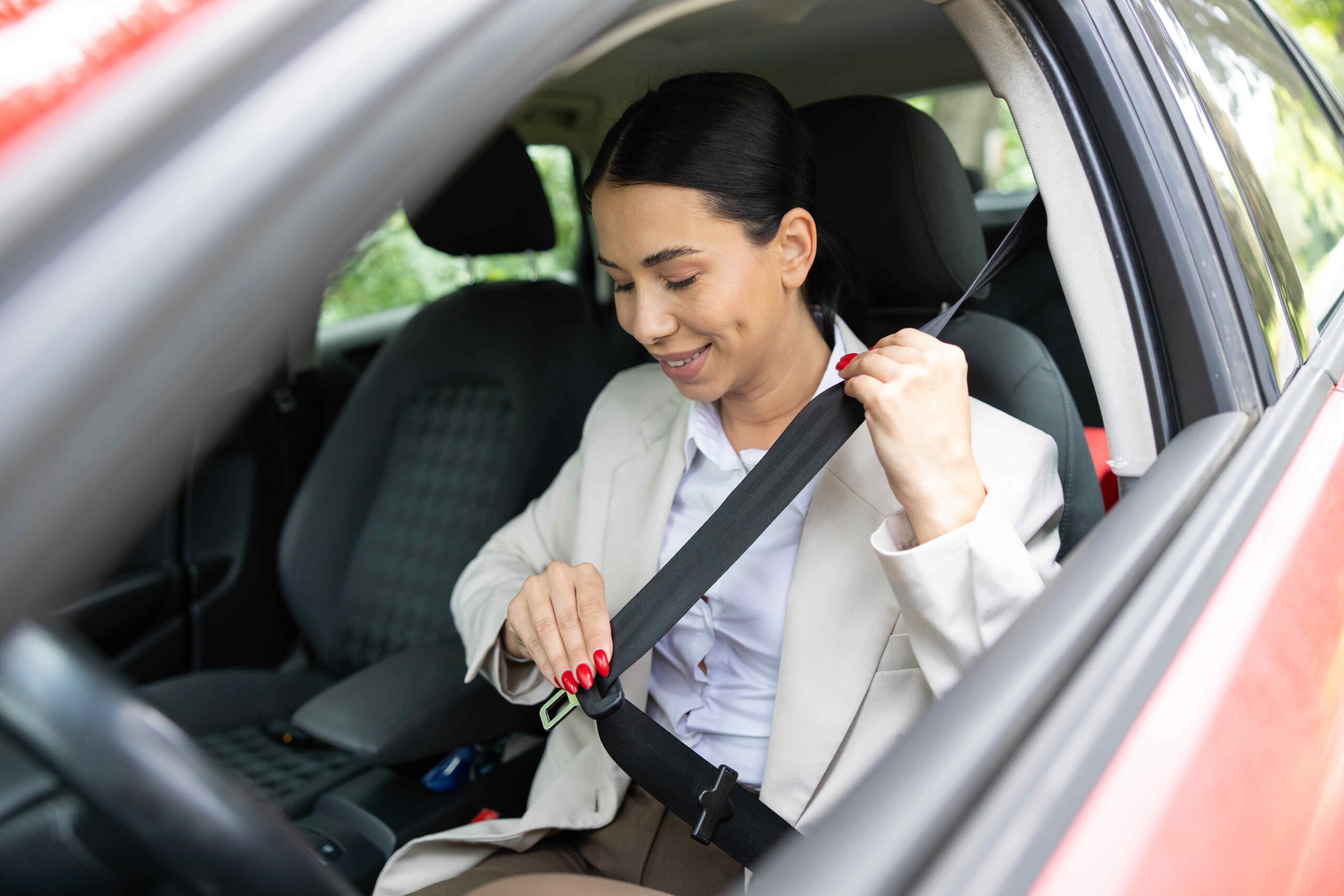
Seat belts should be used on every trip. Drivers should also maintain tires, brakes, lights, and windshield wipers. During heavy rain or snow, increasing following distance and reducing speed preserves room to respond.
These practices complement the safe driving habits previously discussed by VENTS Magazine, including regular vehicle maintenance, seat belt use, and avoiding impaired or distracted driving.
Building a Culture of Road Safety Through Community Responsibility
Road safety improves when responsible behaviour becomes routine. Parents can model calm driving for teenagers, passengers can speak up about phone use, and local organisations can reinforce pedestrian and bicycle awareness.
After Utah released its preliminary 2025 fatality figures, Utah Highway Patrol Sgt. Mike Alexander said, “Every time we travel, we make choices that carry lifelong consequences for ourselves and everyone else on the road.” The state’s announcement connects focused, sober driving and seat belt use with preventing loss.
Making Road Safety a Shared Responsibility
Safer communities begin with ordinary choices: slowing down, putting the phone away, yielding, buckling up, and leaving enough space to react. When residents treat the road as a shared space, responsible driving becomes a natural part of community care.
Frequently Asked Questions About Responsible Driving
How does responsible driving help create safer communities?
It reduces avoidable risks, protects vulnerable road users, and encourages other motorists to treat safety as a shared responsibility.
What commonly contributes to preventable car accidents?
Distraction, speeding, impairment, aggressive behaviour, fatigue, and failure to follow traffic rules can all contribute to collisions.
How can drivers protect pedestrians and cyclists?
They can slow near crossings, yield when required, check blind spots, leave safe passing space, and remain attentive in areas with foot or bicycle traffic.
How can individuals encourage safer driving locally?
They can model responsible habits, guide inexperienced drivers, discourage phone use and impaired driving, and support community road-safety education.