Vents MagaZine Music and Entertainment Magazine

Related Articles

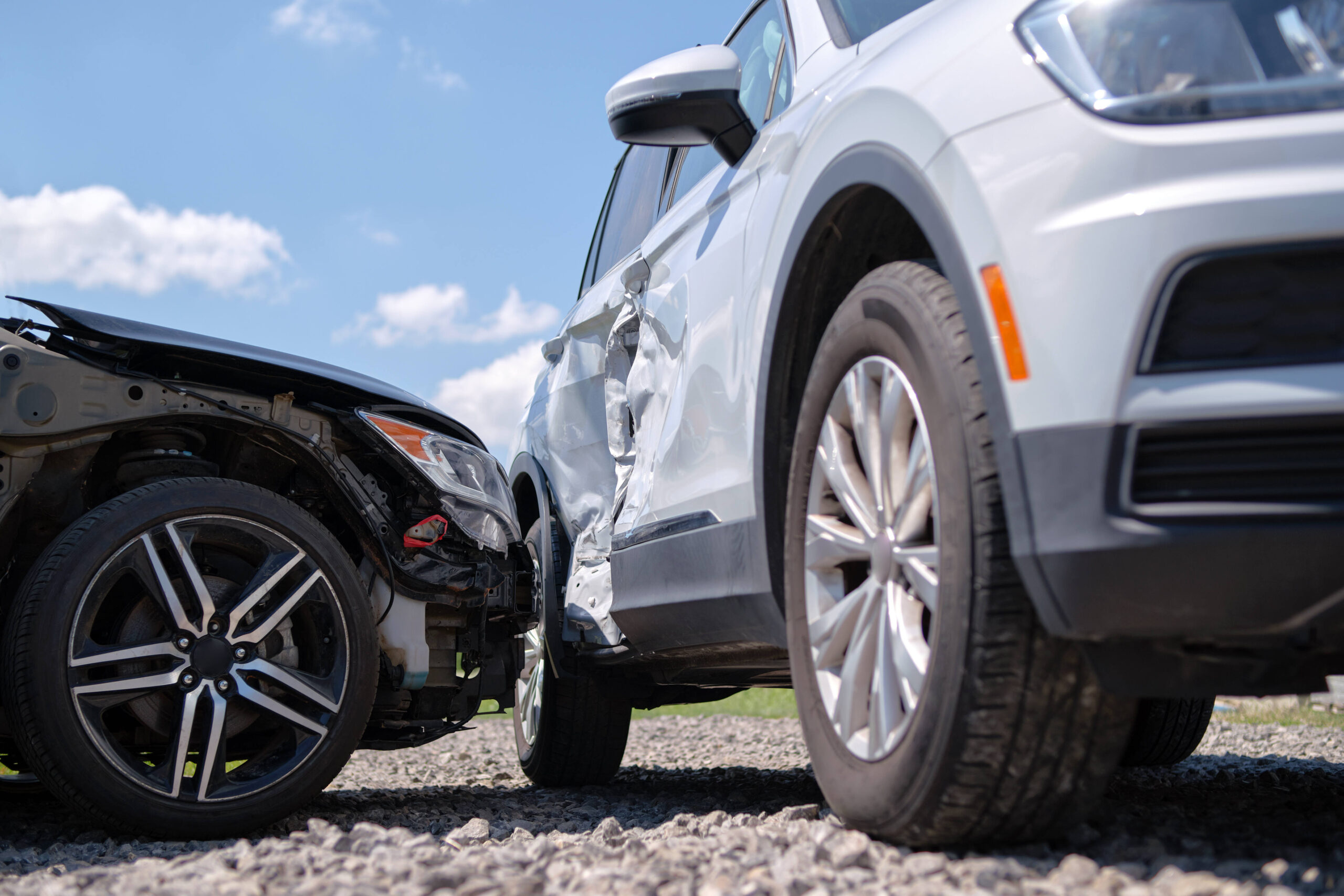

Commercial trucks carry goods across Missouri and regularly travel through Springfield on Interstate 44 and U.S. Route 65. Passenger vehicles share these corridors with tractor-trailers, delivery trucks, and other commercial vehicles that require additional room to stop and turn.
People seeking information about their options after a commercial vehicle collision occurs may explore resources from Springfield, Missouri truck accident lawyers. The appropriate response depends on the injuries, available evidence, insurance coverage, and circumstances of the crash.
Common Types of Truck Accidents on Missouri Roads
Commercial truck collisions can occur in several ways. In a jackknife accident, the trailer swings outward until it forms an angle with the cab. A rollover occurs when a truck or trailer overturns, potentially affecting adjacent lanes while rear-end collisions may happen when a truck cannot stop before reaching slower traffic.
Underride crashes involve a smaller vehicle moving beneath part of a truck or trailer. Blind-spot collisions can occur when another vehicle occupies an area that is difficult for the truck driver to see.
One kind of truck accident may affect several vehicles and produce multiple accounts that investigators must review.
What Can Contribute to Commercial Truck Collisions?
Fatigue, distraction, excessive speed, and insufficient following distance may contribute to a crash. Uneven or unsecured cargo can affect balance, while worn tires, brake problems, or steering failures may interfere with control. Rain, poor visibility, construction, and road debris can add further complications.
An article about keeping semi-truck deliveries on schedule discusses pre-trip inspections, cargo checks, brake maintenance, route planning, and required rest periods. These operational details may become relevant when reviewing the details of a collision.
Investigators should examine the facts rather than assume that a particular driver or mechanical problem caused the crash.
Missouri Truck Accident Statistics and Safety Context
Official crash data for Missouri from the Federal Motor Carrier Safety Administration (FMCSA) recorded 5,425 large trucks involved in fatal and nonfatal crashes during 2023. Those crashes resulted in 2,108 reported injuries.
The report uses Motor Carrier Management Information System data and notes that recent figures can remain preliminary while records are updated. These numbers do provide statewide context, but do not explain an individual Springfield collision.
Understanding Truck Accident Injuries
Commercial truck collisions can cause traumatic brain injuries, spinal injuries, broken bones, internal injuries, and soft-tissue damage. Injury severity varies with vehicle movement, speed, impact location, restraints, and other circumstances.
Some symptoms appear promptly, while others may develop later. Medical evaluation can identify injuries and create records of diagnosis, treatment, and follow-up care. Depending on the injury, a person may require rehabilitation, specialist appointments, or continued monitoring.
Following an accident, the treatment needs that one individual may need cannot be predicted from vehicle damage alone.
What Evidence Matters After a Truck Accident?
Police reports, roadway photographs, vehicle damage, witness information, and medical records can help establish a timeline of an accident. Depending on availability, investigators may also review maintenance records, electronic logs, cargo documents, and vehicle data.
Consider a collision between a passenger car and a delivery truck near a Springfield highway interchange. Photographs may show lane markings and impact locations, while witnesses can describe how the vehicles approached the merge. Electronic records might provide additional information about vehicle movement or the driver’s work period. Some records may not exist or may be unavailable depending on circumstances.
People involved in a crash should retain receipts, medical documents, repair estimates, and relevant communications rather than relying on their memory alone.
Why Springfield Road Knowledge Can Matter
I-44, Route 65, local intersections, and access roads each present different traffic patterns. Merging lanes, construction zones, curves, commercial entrances, and changing traffic volume can affect how vehicles move through an area.
Familiarity with the location can help place photographs, witness observations, and vehicle damage in context. Legal professionals may explain the claims process, identify potentially relevant records, and discuss applicable deadlines. Any assessment should reflect the individual facts.
Understanding the Road Ahead After a Truck Collision
Commercial truck crashes may involve extensive records and several possible contributing factors. Documenting the scene, obtaining appropriate medical care, and preserving available information can help individuals understand the investigation and the questions that may follow.
Frequently Asked Questions About Springfield Truck Accidents
What are common types of truck accidents in Missouri?
Rear-end, rollover, jackknife, blind-spot, and underride collisions are among the possible crash types. Each type of truck accident involves different vehicle movements and evidence.
What factors can contribute to a commercial truck accident?
Possible factors include fatigue, distraction, speed, following distance, cargo problems, vehicle maintenance, weather, and roadway conditions.
What evidence may be important after a truck accident?
Potential evidence includes police reports, photographs, witness accounts, medical documentation, maintenance records, electronic logs, and available vehicle data.
Why can truck accident investigations be complicated?
A collision may involve multiple vehicles, insurance policies, companies, witnesses, and technical records. The relevant issues depend on the specific circumstances.