Vents MagaZine Music and Entertainment Magazine
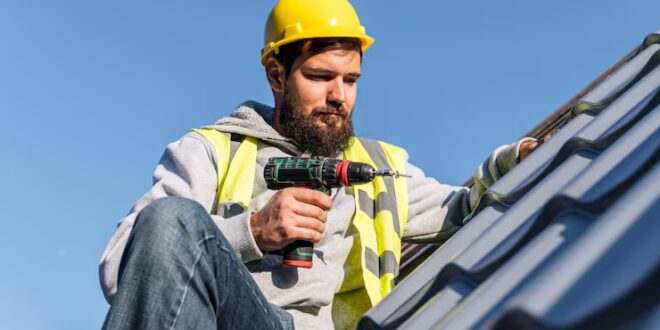
Choosing a roofing contractor is an important decision, particularly when a roof has sustained storm damage or is showing signs of age. A roof protects the structure, insulation, and interior of a home, so workmanship matters as much as the materials being installed. Yet comparing contractors can be difficult when estimates, warranties, timelines, and proposed repairs vary from one company to another.
Utah homeowners also need to consider the state’s changing weather conditions. Snow, strong winds, intense sun, and repeated freeze-thaw cycles can all affect roofing materials. A contractor familiar with these conditions can provide more practical recommendations than someone who approaches every roof in exactly the same way.
Verify Licensing, Insurance, and Credentials
Before discussing a project in detail, confirm that the contractor operates legitimately and carries appropriate insurance. Ask for documentation rather than relying solely on a company’s website or verbal assurances.
General liability insurance helps protect homeowners if property damage occurs during the project, while workers’ compensation coverage can address employee injuries where applicable. Licensing requirements can vary depending on the work and jurisdiction, so homeowners should verify the contractor’s current credentials through the appropriate Utah authorities.
A professional contractor should be comfortable answering these questions and providing documentation.
Look for Relevant Local Experience
Roofing experience is valuable, but local experience can be particularly important. Utah’s climate presents different challenges across the state, from heavy winter snow to summer heat and strong wind events.
Ask how long the company has worked in the area and whether it regularly handles the type of roofing system installed on your home. A contractor experienced with asphalt shingles may approach a tile, metal, or low-slope roof differently.
For homeowners searching for a Roofing contractor in Salt Lake City, familiarity with local building conditions and common weather-related roofing problems can be a useful consideration when comparing providers.
Ask for a Detailed Written Estimate
A reliable contractor should explain what the proposed work includes. A written estimate should identify the materials, labor, preparation, removal of existing roofing where applicable, cleanup, and other significant costs.
Be cautious about estimates that are unusually vague. A single line stating a total project price makes it difficult to compare proposals or understand what you are actually paying for.
Price differences do not necessarily mean one contractor is overcharging. One estimate may include replacement of damaged decking or upgraded materials that another contractor has excluded. Comparing the scope of work is therefore more useful than comparing the final number alone.
Understand the Warranty
Roofing warranties can cover different things, and homeowners should understand those distinctions before signing a contract.
Some warranties relate to the roofing materials themselves, while others cover workmanship. Ask who provides each warranty, how long it lasts, and what circumstances could limit coverage.
It is also worth asking what happens if a problem develops after the project is completed. A contractor who clearly explains the process for addressing warranty concerns demonstrates a level of accountability that should factor into the decision.
Check References and Previous Work
Reviews can provide useful background, but they should not be the only source of information. Ask prospective contractors whether they can provide references from recent projects or examples of comparable roofing work.
When speaking with references, ask practical questions. Was the project completed when promised? Did the final cost differ significantly from the original estimate? Was the property left clean? How did the contractor respond when questions or unexpected problems arose?
These details can reveal more about the working relationship than a short online review.
Pay Attention to Communication
Good communication is easy to overlook when comparing contractors, but it becomes especially important once work begins.
A contractor should be able to explain the condition of the roof in understandable terms, answer questions without unnecessary pressure, and communicate changes to the project when unexpected conditions are discovered.
Be cautious of anyone who insists on immediate payment, pressures you into signing before reviewing the agreement, or recommends extensive work without explaining why it is necessary.
Ask What Happens If Problems Are Discovered
Roofing projects can reveal hidden issues once old materials are removed. Damaged decking, deteriorated flashing, or previous installation problems may not be visible during an initial inspection.
Ask how such discoveries will be handled. Ideally, the contract should explain how additional work is approved and how associated costs are communicated before the work proceeds.
Compare Contractors on More Than Price
The lowest estimate is not necessarily the most economical choice. Roofing is a long-term investment, and poor installation can create problems that cost more to correct later.
Instead, compare contractors based on licensing and insurance, local experience, project scope, materials, warranties, references, communication, and payment terms. Taking time to evaluate these factors can make it easier to choose a contractor whose proposal is clear and whose approach matches the needs of the home.
A reliable roofing contractor should make the process easier to understand, not more confusing. When homeowners have clear information about the proposed work, costs, materials, and responsibilities, they are in a much stronger position to make a sound decision.