Vents MagaZine Music and Entertainment Magazine

Related Articles


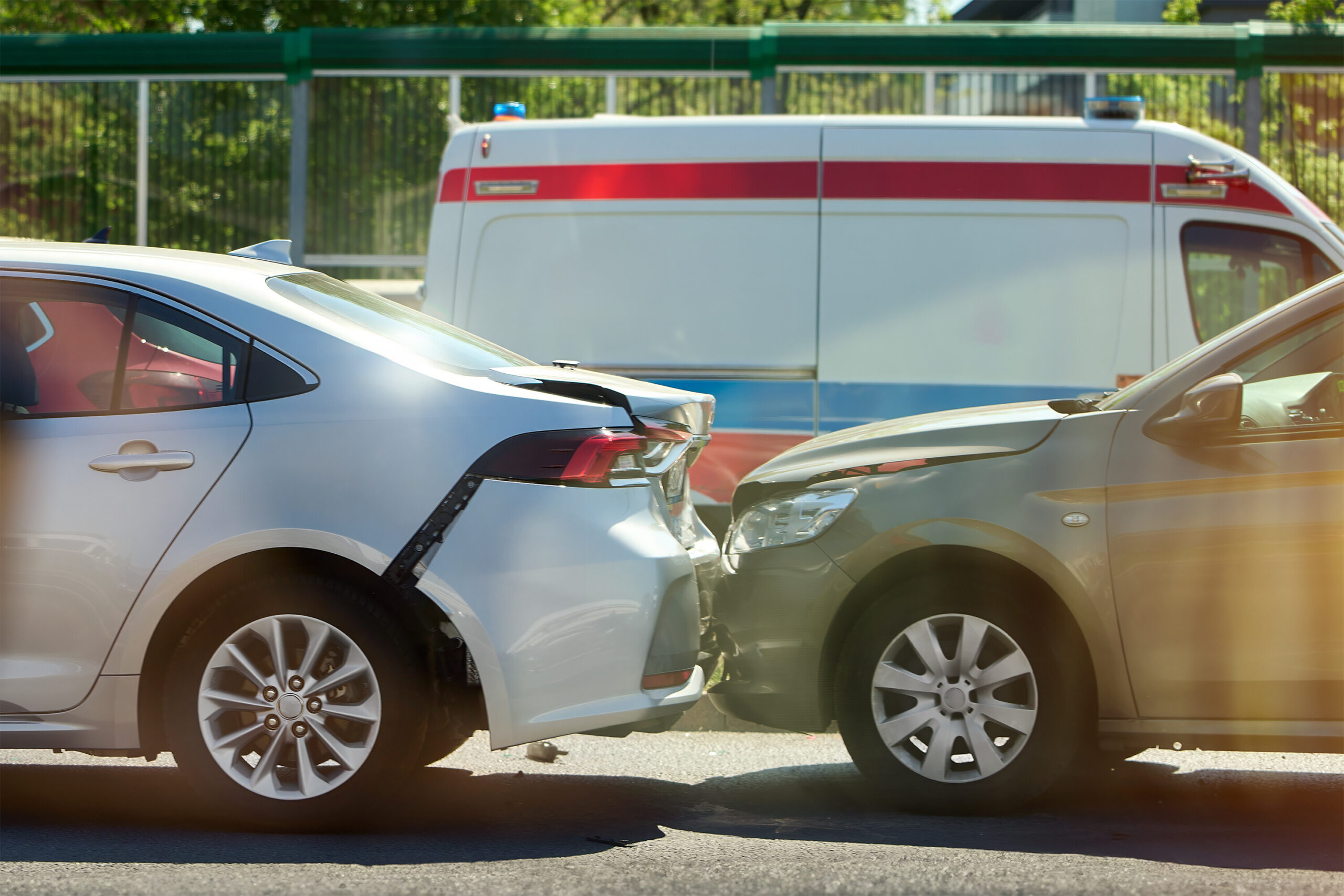
A car accident can leave you replaying the moments before the collision and wondering whether something you did contributed to what happened. While it is important to be honest about your actions, assuming that an accident is entirely your fault can cause you to overlook other factors that may have played a role. Understanding your rights, your vehicle’s condition, and the circumstances surrounding the crash can help you make more informed decisions about what to do next.
Your Share of Fault Does Not Always End Your Claim
After a crash, it is common to focus on what you could have done differently. Maybe you were distracted for a moment, reacted too slowly, or made a driving decision that contributed to the collision. However, being partially responsible does not necessarily mean you have no legal options, particularly when another driver, road condition, or other circumstance also contributed to the accident.
Under Missouri law, a person can pursue a lawsuit after a car accident even when that person was partly responsible for causing the crash. This means fault may be considered as part of a broader evaluation rather than treated as an automatic reason to prevent someone from bringing a claim. Because the specific circumstances of an accident matter, it can be useful to understand how Missouri’s rules may apply before deciding that you have no case.
It is also important to avoid making assumptions about fault immediately after an accident. Statements made at the scene, conversations with insurance companies, photographs, witness accounts, police reports, and other evidence may help establish what actually happened. If you believe you contributed to a collision, you can still gather information about the entire event instead of relying solely on your initial impression.
Vehicle Conditions Can Play a Role in a Crash
Drivers are not the only potential factor in a collision. The condition of a vehicle can affect how quickly someone is able to respond to changing road conditions, especially when weather or traffic creates an unexpected hazard. Tires deserve particular attention because they are the vehicle’s primary point of contact with the pavement.
According to AAA, tires are what keep a vehicle connected to the road, and worn tires can require more room to stop. Once tire tread wears beyond 4/32″, stopping distances can increase, particularly on wet roads, potentially creating an additional risk for a crash. This is one reason tire condition should be considered when reviewing the circumstances surrounding an accident.
A driver may believe that a collision happened solely because of something they did, but vehicle condition can be another relevant detail to examine. Tire tread, inflation, brakes, lights, and other components can affect vehicle performance and should not automatically be dismissed when assessing what happened. Keeping up with routine maintenance can also help drivers identify problems before they contribute to a dangerous situation.
If a crash occurs, documenting the vehicle’s condition can be helpful. Photographs of the tires, damage, road surface, traffic signs, and surrounding area may preserve details that are difficult to remember later. Maintenance records and other documentation can also provide useful context when determining whether a mechanical or maintenance-related issue had any connection to the collision.
A Crash Is Not an Unusual Event
It can be easy to feel as though a serious collision happened because of one unusual mistake. In reality, car accidents are a frequent occurrence on U.S. roads, and many different circumstances can contribute to them. Recognizing how common crashes are can encourage drivers to take the aftermath seriously rather than making a quick judgment about who is responsible.
According to Driver Knowledge, approximately 6 million car accidents occur in the United States each year. That figure highlights how frequently drivers encounter collisions and the wide range of circumstances that can surround them. Every accident is different, so the details of an individual crash should be considered rather than assuming that a general explanation applies to every situation.
After a collision, try to focus on gathering facts instead of immediately assigning blame. If you are physically able, document the scene, exchange information with the other driver, and identify potential witnesses. Depending on the circumstances, contacting law enforcement and seeking appropriate medical attention may also be important steps.
Once the immediate situation is addressed, review what happened carefully. Consider the road and weather conditions, traffic signals, vehicle positions, damage patterns, and anything else that could help establish how the collision occurred. Taking this approach can provide a clearer picture than relying on emotions or a quick assumption about responsibility.
Blaming yourself immediately after a crash may prevent you from looking at the complete picture. Your actions can matter, but so can the conduct of another driver, the condition of your vehicle, and the circumstances surrounding the collision. In Missouri, being partially at fault does not automatically prevent you from pursuing a car accident lawsuit.
If you have been involved in a crash, preserve relevant evidence and be thoughtful about statements concerning fault. Consider speaking with a Missouri personal injury attorney who can review the circumstances and explain how the state’s laws may apply to your situation. Getting information before making decisions can help you better understand your options and determine what steps may be appropriate.