Vents MagaZine Music and Entertainment Magazine
Related Articles


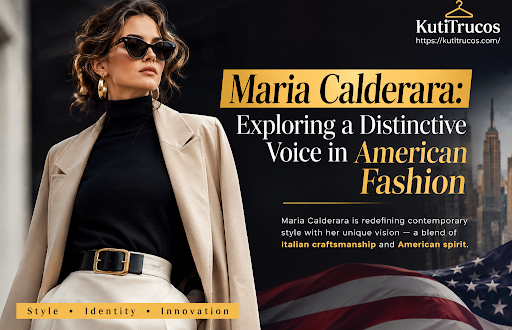
Maria Calderara and the Evolution of Contemporary American Style
Fashion is often remembered through the people who give clothing a distinctive identity. Designers, stylists, editors, retailers, and creative professionals can all influence how people understand and wear fashion. Maria Calderara is a name that can be explored within this wider conversation about contemporary style, creativity, and the changing American fashion landscape.
American fashion has never followed a single formula. It combines practicality with creativity, classic tailoring with casual clothing, and traditional influences with modern ideas. From New York’s sophisticated urban aesthetic to the relaxed approach associated with California, fashion in the United States continues to evolve through different communities and creative perspectives.
When discussing Maria Calderara, it is important to distinguish verified information about an individual from broader fashion concepts. A person’s name alone does not establish a particular brand, collection, or design philosophy. Nevertheless, examining the name in the context of American fashion provides an opportunity to explore the values that shape modern style: individuality, versatility, craftsmanship, and personal expression.
The Changing Face of American Fashion
American fashion has developed through a mixture of cultural influences. Workwear, sportswear, denim, military-inspired clothing, tailoring, streetwear, and luxury fashion have all contributed to the country’s distinctive style.
Unlike fashion systems that may place greater emphasis on traditional formality, American clothing often values practicality.
A well-designed garment is expected to look good while also fitting into everyday life.
Comfort Meets Sophistication
One of the defining characteristics of modern American fashion is the combination of comfort and polish.
A tailored jacket can be worn with jeans. Sneakers can be paired with a sophisticated outfit. A classic shirt can become part of a relaxed weekend look.
This flexibility has changed the way consumers think about their wardrobes.
Instead of separating clothing into strict categories, modern fashion encourages people to mix pieces according to their personality and lifestyle.
Individuality as a Foundation of Personal Style
Fashion becomes more interesting when people use clothing to express themselves.
Personal style does not necessarily require expensive designer pieces or constantly changing trends. Instead, it can come from understanding proportions, colors, textures, and silhouettes.
A person might prefer minimalist clothing, while another may enjoy bold prints and statement accessories.
Building a Signature Look
A signature style often develops naturally over time.
Someone may repeatedly choose neutral colors, structured jackets, vintage denim, or feminine dresses. Eventually, these preferences create a recognizable visual identity.
This approach is particularly relevant to American fashion, where individuality has always played an important role.
Rather than following every trend, consumers can select trends that complement their existing wardrobes.
The Importance of Quality in Contemporary Clothing
Fashion trends can change quickly, but quality remains relevant.
Well-constructed clothing can provide better durability and may maintain its appearance through repeated use.
Quality does not always mean luxury. It can involve appropriate fabric selection, reliable stitching, functional construction, and thoughtful design.
Choosing Clothing That Lasts
Consumers can evaluate several factors before purchasing clothing.
Fabric composition, construction, fit, care requirements, and versatility can all influence how useful a garment becomes.
A classic blazer that works with trousers, jeans, dresses, and skirts may have more practical value than a highly specific trend item.
This concept of versatility has become increasingly important as consumers think more carefully about their wardrobes.
New York’s Influence on American Fashion
New York has long been one of America’s most influential fashion centers.
The city brings together designers, retailers, photographers, models, stylists, editors, artists, and consumers from different backgrounds.
Its fashion culture is diverse and constantly changing.
Urban Fashion and Everyday Dressing
New York style frequently emphasizes practicality.
People need clothing that can transition between commuting, work, restaurants, social events, and cultural activities.
As a result, layering and versatile pieces are particularly valuable.
A long coat, tailored trousers, knitwear, boots, and a structured bag can create a polished urban wardrobe while remaining functional.
The Role of Color in Fashion
Color can completely change the personality of an outfit.
Neutral shades such as black, white, navy, beige, and gray are popular because they can be combined easily.
However, stronger colors can create visual interest.
Using Color Strategically
A bright accessory can transform an otherwise neutral outfit.
For example, a colorful handbag, scarf, shoe, or jacket can become the focal point of an ensemble without requiring an entirely colorful wardrobe.
This approach allows consumers to experiment with fashion without replacing all of their existing clothing.
American Fashion Across the Seasons
The United States has an enormous range of climates, making seasonal dressing an important part of American style.
Spring Fashion
Spring encourages lighter layers.
Light jackets, cardigans, cotton shirts, relaxed trousers, skirts, and transitional footwear can provide flexibility as temperatures change throughout the day.
Summer Fashion
Summer clothing typically emphasizes breathability and ease.
Linen, lightweight cotton, dresses, shorts, relaxed shirts, and comfortable footwear can help create practical warm-weather outfits.
Fall Fashion
Fall is one of the most versatile fashion seasons.
Sweaters, jackets, boots, denim, scarves, and structured outerwear can be layered to create depth.
Earth tones and deeper shades often become popular as temperatures decline.
Winter Fashion
Winter requires a greater focus on warmth.
Coats, knitwear, boots, gloves, and layered clothing become essential.
Good winter styling is often about combining function with proportion. A substantial coat can be balanced with streamlined trousers or a fitted base layer.
Fashion and the Modern American Woman
Women’s fashion in the United States has become increasingly diverse.
There is no single definition of what a fashionable woman should wear.
Professional clothing, casualwear, activewear, vintage clothing, streetwear, and formal fashion can all coexist within the same wardrobe.
Dressing for Real Life
Modern women often need clothing that works across multiple responsibilities.
An outfit might need to transition from work to dinner or from travel to a social event.
This has increased demand for versatile garments that are comfortable without sacrificing visual appeal.
The modern wardrobe is therefore less about strict rules and more about adaptability.
The Relationship Between Fashion and Lifestyle
Clothing reflects the way people live.
Someone who travels frequently may prioritize lightweight layers and comfortable shoes.
A professional may require tailored clothing.
A creative worker may have more freedom to experiment with colors, textures, and unusual silhouettes.
Fashion becomes meaningful when it supports the person’s lifestyle rather than creating unnecessary limitations.
Practicality Can Be Stylish
There is no reason practical clothing cannot be fashionable.
A well-designed coat can provide warmth while creating a strong silhouette. Comfortable sneakers can complement tailored trousers. A functional handbag can still become an important part of an outfit.
Modern American fashion increasingly embraces this balance.
Sustainability and Conscious Fashion
Sustainability has become another important subject in the American fashion industry.
Consumers are increasingly interested in where clothing comes from, how it is produced, and how long it can remain useful.
This does not necessarily mean abandoning fashion.
Instead, it can mean purchasing more thoughtfully.
Buy Less, Style More
One approach to conscious fashion is maximizing the number of outfits that can be created from existing pieces.
A small collection of versatile garments can produce many different combinations.
This encourages consumers to focus on quality, fit, and compatibility rather than simply buying large quantities of clothing.
Digital Media and Fashion Discovery
Social media and digital publishing have dramatically changed fashion discovery.
Consumers can now see trends from New York, Los Angeles, Chicago, Miami, and international fashion centers almost instantly.
Fashion inspiration is no longer limited to magazines or runway shows.
From Inspiration to Personal Interpretation
The challenge is knowing how to translate inspiration into personal style.
Instead of copying an entire outfit, consumers can identify one element they like.
It might be the color combination, silhouette, footwear, layering technique, or accessory.
That single element can then be incorporated into an existing wardrobe.
This creates a more personal approach to fashion.
Why Classic Pieces Remain Relevant
Fashion constantly introduces new trends, but classic pieces continue to return.
A white shirt, well-fitting jeans, tailored blazer, simple dress, leather shoes, and quality outerwear can remain useful for many years.
Trends Come and Go
A wardrobe built entirely around short-term trends can become difficult to maintain.
Classic pieces provide stability.
Trends can then be introduced through smaller elements such as accessories, colors, footwear, or seasonal pieces.
This strategy provides room for experimentation without making the wardrobe feel outdated every few months.
Looking Ahead at American Fashion
The future of American fashion will likely continue to emphasize flexibility.
Consumers increasingly want clothing that works across different environments and occasions.
Technology will also influence the industry through online shopping, virtual styling, personalized recommendations, digital design, and new approaches to clothing production.
At the same time, the basic principles of good fashion will remain familiar.
Fit, quality, comfort, proportion, and personal expression will continue to matter.
Final Thoughts
Maria Calderara provides an interesting starting point for discussing the broader ideas that define contemporary American fashion. While a name alone should not be used to invent a specific biography, brand history, or collection, the subject can be placed within the larger evolution of American style.
Today’s fashion environment is more diverse than ever. Consumers can combine classic tailoring with casual clothing, traditional pieces with contemporary accessories, and practical garments with expressive designs.
The strongest wardrobes are often those that reflect the individual rather than simply following every passing trend.
Quality, versatility, comfort, and personal identity remain valuable principles whether someone is dressing for a New York workplace, a weekend gathering, a summer vacation, or an everyday casual outing.
Sustainability is also becoming increasingly important, encouraging consumers to think about durability and how frequently garments can be worn.
Ultimately, fashion is not simply about what is currently popular. It is about creating a visual language that feels authentic, practical, and personal. That principle continues to shape American fashion and will remain relevant as designers, consumers, and creative voices introduce new ideas into the industry.