Vents MagaZine Music and Entertainment Magazine

Related Articles
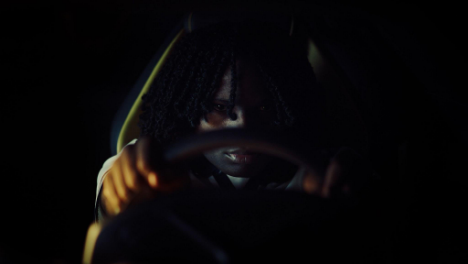
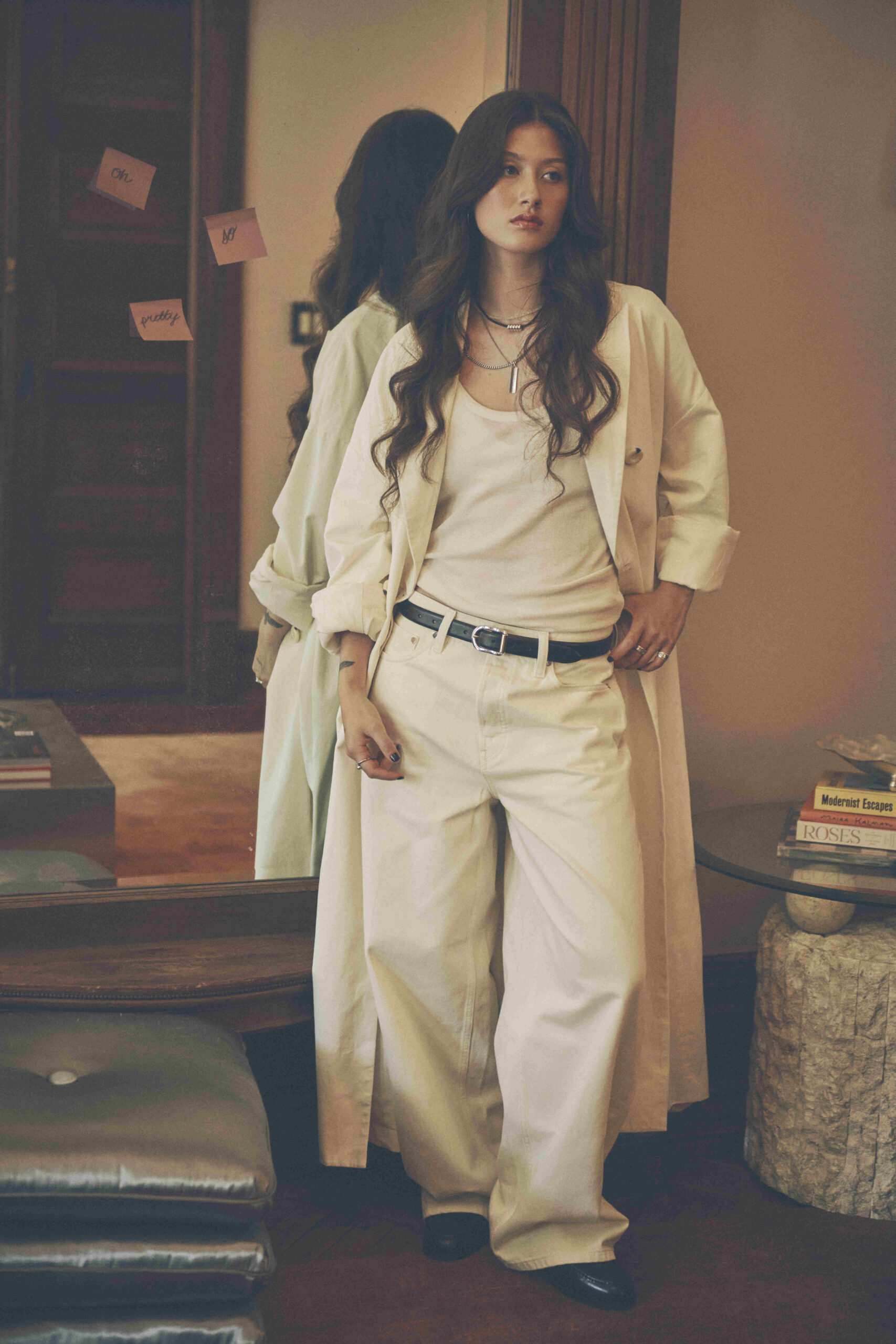

At just 22 years old, South African filmmaker Ma-Afrika Setona has already settled on a guiding principle that most directors spend decades trying to articulate: film is not simply entertainment, it is evidence. It is proof that a life happened, that a family endured, that a community survived — even when no official record bothered to note it down. For Setona, every project begins with the same quiet question: whose story almost went untold, and how do I make sure it doesn’t?
That question shapes everything about her approach to cinema. Rather than chasing dramatic, headline-grabbing narratives, Setona is drawn to the kinds of lives that rarely make it onto a screen at all — people in small rural communities, households strained by absence or hardship, mothers holding families together under pressure, and children who had to grow up faster than they should have. She isn’t interested in turning these people into symbols of struggle or objects of pity. Her aim is the opposite: to render them as fully human, with contradictions, humor, tenderness, and dignity intact, so that audiences see individuals rather than statistics.
It’s an approach that pushes back against a long-standing assumption in global film culture — the idea that stories from Africa need some kind of external justification to matter on an international stage. Setona doesn’t build her work around proving relevance to outside audiences. She starts instead from the belief that certain human experiences translate on their own, without needing to be softened, explained, or repackaged for anyone. A parent’s grief after losing a child, a young person’s stubborn hope in the face of poverty, a family that has learned to survive in silence, a neighborhood that keeps rebuilding itself after generations of injustice — these experiences don’t require a passport to be understood. The setting of her films may be unmistakably South African, but the emotional core is something audiences anywhere can recognize: what does a person carry forward after loss? What gets passed down, intentionally or not, from one generation to the next? And when everything else has been stripped away, what actually remains?
Setona’s technical training comes from the New York Film Academy in Los Angeles, but her sensibility as a storyteller feels rooted much closer to home. She describes her role less as “director” in the conventional sense and more as a kind of custodian — someone entrusted with material that deserves careful, honest handling. That responsibility shows up in the subject matter she keeps returning to: the way trauma moves through families across generations, the realities of gender-based violence, the daily grind of poverty, the search for identity in a country still working through its own history, and the resilience that African communities have built simply by continuing to show up for one another. None of these are treated as spectacle in her work. She favors restraint over melodrama, and intimacy over scale — close, patient scenes that let emotional truth surface on its own rather than being forced.
That philosophy is now being tested at a larger scale as Setona develops her first feature film. It’s a significant step for any young filmmaker, and for Setona it represents a chance to prove that the smaller, quieter stories she gravitates toward can sustain a full-length narrative without losing what makes them powerful — the specificity, the restraint, the refusal to look away from difficult subject matter while still finding room for beauty and hope within it.
Setona isn’t approaching this stage of her career purely as an individual artist, either. Through her own production company, she’s actively working to create space for other storytellers, particularly those who might not otherwise get the resources or platform to bring their own stories to screen. Her reasoning is straightforward: African cinema doesn’t need a single breakout voice to define it. It needs many. A film industry built on a wide range of perspectives — rural and urban, young and old, familiar and unfamiliar — will always tell a more honest, more complete story than one that leans on a handful of gatekeepers or a narrow set of “marketable” narratives.
That conviction extends to how Setona thinks about audience, both at home and abroad. She’s not interested in filtering African stories through a lens designed to make them palatable to outsiders. Instead, her hope is that by letting African communities see themselves represented fully and honestly on screen — flaws, resilience, grief, and joy included — international audiences will find something recognizable in that honesty too. Not because the stories were built for them, but because human experience, told with enough care and specificity, tends to travel on its own.
It’s an ambitious framework for a filmmaker still early in her career, but Setona’s body of work so far suggests she’s serious about it. As she moves into feature filmmaking and continues building out her production company, the throughline remains consistent: protect the stories that history was prepared to forget, and trust that telling them honestly is enough.