Vents MagaZine Music and Entertainment Magazine

Related Articles

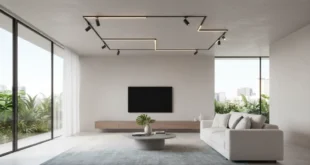

There are days when simply walking through the front door feels like an exhale – and others when home seems to mirror the same chaos waiting outside. As work, technology, and daily responsibilities increasingly compete for our attention, the spaces we live in play a greater role in shaping how we feel. Environmental psychology has consistently shown that factors such as lighting, clutter, color, and access to nature can influence stress levels, concentration, and overall mood. While no room can eliminate life’s pressures, thoughtful design choices can make home feel noticeably more restorative. Read along to learn more about creating calm, restoring space at home.
Begin With Less
Creating a calming interior rarely starts with buying something new. More often, it begins by removing what no longer serves a purpose.
Visual clutter demands mental attention, even when we think we’re ignoring it. Research published by the Princeton University Neuroscience Institute found that excessive visual stimuli compete for the brain’s attention, making it harder to focus and increasing cognitive load. That makes decluttering more than a housekeeping task: it becomes an exercise in reducing everyday mental fatigue.
Rather than aiming for a perfectly minimalist home, focus on creating breathing room. Keep surfaces intentionally styled rather than completely filled, give everyday objects designated storage, and leave enough negative space for the eye to rest. A room doesn’t need to feel empty to feel peaceful.
Let Natural Light Take the Lead
Bright, natural daylight supports circadian rhythms, improves alertness during the day, and contributes to healthier sleep patterns at night. Whenever possible, maximize daylight by keeping window treatments light and airy, positioning mirrors to reflect sunlight, and avoiding furniture arrangements that block windows. Warm white bulbs with adjustable brightness can help transition a room from productive mornings to relaxing evenings without dramatically changing the space itself.
Choose Soothing Colors
Color psychology isn’t an exact science, but numerous studies suggest that softer, lower-saturation tones tend to promote feelings of relaxation compared with highly saturated, stimulating colors.
Earthy neutrals, muted greens, gentle blues, warm whites, and soft greiges remain popular not simply because they’re timeless, but because they create visual consistency throughout a home. These palettes also allow natural materials to become the focal point instead of competing decorative elements.

Bring Nature Indoors
Having plants at home brings in necessary freshness and relaxed vibe. Fortunately, implementing this doesn’t require turning your living room into a greenhouse. A few carefully selected plants, fresh flowers, linen fabrics, woven baskets, untreated wood, or stone finishes can all strengthen the connection between indoor and outdoor environments.
Focus on Texture Instead of Excess Decoration
Some of the calmest interiors aren’t sparse, they’re simply rich in tactile materials rather than decorative objects. Layering wool throws, textured upholstery, natural timber, handmade ceramics, and soft rugs creates warmth without adding unnecessary visual complexity. Bathrooms and kitchens benefit from the same principle. Finishes such as marble mosaics introduce subtle variation through natural veining and texture, offering visual interest while maintaining an elegant, understated appearance.
Design Small Ritual Spaces
Not every room needs a complete redesign to support wellbeing. Sometimes, all you need to do is to design a designated relaxation or ritual space. This may be a comfortable reading chair beside a window, a meditation nook, a breakfast corner free from laptops, or a bedside table intentionally cleared of digital distractions all encourage moments of pause throughout the day. This way, it becomes easier to find moments of joy and quiet in our busy days.
Make Practical Spaces Feel Beautiful
Functional rooms often receive the least design attention, despite being where we spend much of our daily routines.
Bathrooms, laundry rooms, and kitchens all benefit from thoughtful material choices that elevate ordinary moments. Durable surfaces, concealed storage, consistent color palettes, and timeless finishes create environments that feel organized instead of purely utilitarian. Incorporating carefully chosen mosaic tiles into splashbacks, shower walls, or feature niches can introduce subtle pattern while preserving an overall sense of calm.
Slow Down the Senses
Design extends beyond what we see. Sound, scent, and touch all contribute to the atmosphere of a home. Soft furnishings help absorb noise, making rooms feel quieter and more intimate. Natural fragrances, whether from fresh herbs, essential oils, or lightly scented candles, can signal relaxation without overwhelming the senses. Even choosing fabrics that feel pleasant against the skin adds another layer of everyday comfort.