Vents MagaZine Music and Entertainment Magazine

Related Articles
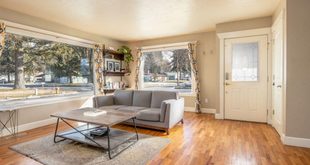

Improving a home’s value involves more than making it look attractive before a sale. The most effective projects also protect the property from damage, reduce future maintenance concerns, and improve how the home functions each day. By investing in exterior care, pest prevention, and durable property features, homeowners can strengthen curb appeal while supporting long-term stability. A thoughtful improvement plan can make a house more enjoyable now and more appealing to future buyers.
Strengthening Landscaping and Exterior Appeal
A well-maintained landscape creates one of the first impressions visitors and potential buyers have of a home. Healthy grass, trimmed shrubs, defined planting beds, and clean walkways can make the property feel more cared for. These improvements help frame the architecture and draw attention to features such as porches, windows, and entryways.
According to Home Guide, landscaping may raise a home’s value by 10% to 30%, depending on the quality and type of upgrades completed. Homeowners do not always need an elaborate redesign to see benefits. Removing overgrown plants, adding mulch, improving drainage, and planting climate-appropriate greenery can all enhance the property without creating excessive upkeep.
Landscaping can also contribute to long-term protection. Proper grading helps direct water away from the foundation, while healthy ground cover may reduce soil erosion. Trees should be placed and maintained so roots and branches do not threaten roofing, siding, underground lines, or paved surfaces. Consistent seasonal care helps preserve these improvements and prevents minor issues from becoming expensive problems.
Preventing Termite and Moisture Damage
Property protection also requires attention to threats that may not be immediately visible. Termites can damage wood framing, flooring, trim, and other structural materials before homeowners notice obvious warning signs. Regular inspections are important around crawl spaces, basements, decks, fences, and areas where soil or moisture contacts wood.
Termite colonies include several distinct members. The queen is the largest termite, and her wings may be almost twice the length of her body, while the king is considerably smaller. Swarmers typically have long, dark brown bodies with translucent light brown wings, and they usually measure about ¼ to ½ inch long.
Recognizing swarmers, discarded wings, mud tubes, hollow-sounding wood, or bubbling paint can help homeowners respond quickly. Moisture control is equally important because damp conditions may make parts of the property more vulnerable. Repairing leaks, cleaning gutters, improving ventilation, and keeping wood away from soil can help reduce risk. Professional inspections provide another layer of protection by identifying activity in areas that are difficult to access or evaluate without training.
Adding Durable Fencing and Property Features
A well-planned fence can improve privacy, security, safety, and visual definition. It may create a more usable backyard, help contain pets, separate recreational areas, and provide a clear boundary between neighboring properties. Materials such as wood, vinyl, aluminum, steel, and composite products offer different appearances, maintenance needs, and service lives.
According to Grand View Research, there are more than 50,000 fence contractors in the United States. With so many providers available, homeowners should compare experience, materials, warranties, installation methods, and local permitting knowledge before choosing a contractor. Careful planning helps ensure the fence complements the home and withstands local weather conditions.
Other durable exterior improvements may include upgraded gates, retaining walls, drainage systems, lighting, and reinforced walkways. These features should work together rather than appear disconnected. Selecting appropriate materials and maintaining them can prevent premature wear, leaning, rust, rot, or shifting. Quality installation is especially important because even attractive improvements may lose value if they create drainage, access, or safety concerns.
Home improvements deliver the greatest value when appearance and protection are considered together. Landscaping can improve curb appeal and drainage, termite prevention can safeguard structural materials, and durable fencing can make outdoor areas more functional. By choosing projects carefully, maintaining them consistently, and addressing risks early, homeowners can protect their investment while creating a property that remains attractive, comfortable, and resilient for years.