Vents MagaZine Music and Entertainment Magazine
Related Articles



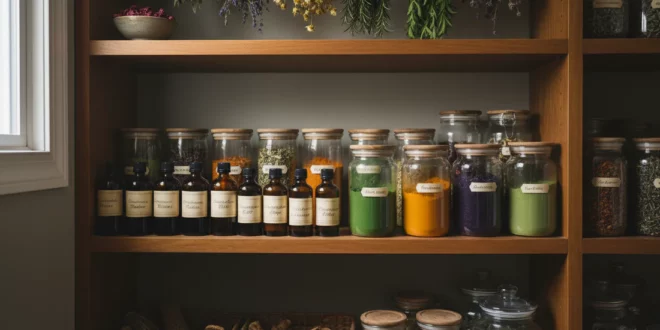
Walk into any well-stocked herbal shop and it’s easy to feel overwhelmed. Dozens of jars, hundreds of possible blends, and no clear sense of where a beginner should actually start. After years of slowly building my own tea cabinet, I’ve learned that the answer isn’t to buy everything at once. It’s to pick a small handful of versatile herbs and get to know them well before expanding, treating the process more like building a personal relationship with each plant than checking items off a shopping list.
This slower approach runs against the instinct a lot of us have when starting a new hobby, which is to buy everything that looks interesting right away. I did exactly that when I first got curious about herbal tea, and I ended up with a cabinet full of jars I barely used and couldn’t confidently tell you much about beyond the label. Starting over with a more deliberate, smaller selection taught me far more than that initial buying spree ever did.
The Case for Starting Small
The herbs worth starting with are the ones that serve more than one purpose and have a long, well-documented history of everyday use. Chamomile is an obvious first pick for its calming reputation. Peppermint earns its place for digestive support and its simple, pleasant flavor. Ginger belongs in every starter cabinet for its warming, stomach-settling qualities. And calendula deserves a spot too, since a cup of calendula tea is a mild, gentle way to introduce yourself to an herb more commonly known for topical skin use, letting you get familiar with its flavor and properties from the inside as well as the outside.
Starting with a small selection also makes it much easier to actually notice how each herb affects you personally. When you’re rotating through a dozen different teas without much pattern, it’s hard to draw any meaningful conclusions about what’s actually helping and what’s just pleasant to drink. Five or six herbs used repeatedly over weeks and months gives you a much clearer picture of what you genuinely reach for and why.
Learning to Taste Before You Judge
One thing I wish someone had told me earlier is that first impressions of an herbal tea’s flavor are often misleading. Some herbs, calendula included, have a subtle, slightly bitter, faintly earthy flavor profile that takes a few tries to appreciate if you’re used to sweeter commercial tea blends. Give a new herb at least three or four honest tries, prepared properly, before deciding it’s not for you. Steeping time, water temperature, and freshness of the dried herb all affect flavor significantly, and a poorly steeped cup can turn you off an herb that you might otherwise genuinely enjoy.
I also recommend trying herbs on their own before jumping into blends. It’s tempting to buy a pre-made blend with six or seven ingredients right out of the gate, but you learn far less about your own preferences that way. Tasting calendula by itself, for instance, gives you a much clearer sense of what it actually contributes to a blend later on, rather than experiencing it only as one flavor lost among many others.
Expanding Once You Know What You Like
Once you have four or five herbs you genuinely enjoy and use regularly, expanding your cabinet becomes a much more intentional process. You’ll start noticing which flavors you gravitate toward, which herbs you reach for when you’re feeling a certain way, and which ones just sit in the cabinet unused. That’s valuable information for deciding what to add next, rather than guessing based on what looked interesting at the store.
This is also the point where blending starts to make more sense. Once you know that you enjoy calendula’s mild flavor and chamomile’s calming reputation, combining the two into a simple two-herb blend is a natural next step, and you’ll have a much better sense of ratios and balance than if you’d started with blending before understanding each component individually.
Sourcing Quality Herbs as You Build Your Collection
Where you buy your herbs matters as much as which herbs you choose. Herbs sitting on a shelf for years lose potency and flavor, so buying from a supplier with reasonable turnover, and checking harvest or packaging dates when available, makes a real difference in the quality of your tea. Smaller herbal shops and reputable online herb suppliers often have fresher stock than the pre-packaged tea bags found in most grocery stores, where the herb inside has frequently been ground into dust that loses potency far faster than whole or roughly cut dried herb.
If you have any interest in growing your own, herbs like calendula, chamomile, and peppermint are all reasonably easy to grow in a home garden and can be harvested and dried yourself, giving you direct control over freshness and quality that’s hard to match with store-bought dried herb, regardless of the supplier’s reputation.
Learning Proper Steeping Technique
A surprising number of people give up on an herb because they never learned to steep it properly. Delicate flowers and leaves, calendula and chamomile included, generally do better with water just off the boil rather than a full rolling boil, and a steeping time of five to ten minutes covered, so the beneficial volatile compounds don’t escape with the steam. Tougher roots and barks, like ginger, often benefit from a longer simmer rather than a simple steep, extracting more from the denser plant material.
Taking the time to learn these small technique differences between plant types will noticeably improve your experience with every herb in your growing cabinet, and it’s the kind of detail that separates someone who occasionally drinks herbal tea from someone who’s actually building real skill and knowledge around it.
Storage Habits That Protect Your Investment
It’s also worth periodically doing a smell and appearance check on herbs that have been sitting for a while. Fresh dried calendula petals should still show some color and retain a faint, pleasant fragrance. If a jar has gone dull, faded, or lost its scent almost entirely, it’s likely lost much of its flavor and beneficial compounds along with it, even if it’s not spoiled in any way that would make it unsafe to drink. At that point, it’s simply not going to deliver the experience or the properties you’re actually looking for, and it’s worth replacing rather than continuing to use out of habit.
As your cabinet grows, storage becomes worth thinking about seriously. Dried herbs lose potency and flavor over time, especially when exposed to light, heat, and air. Glass jars with tight lids, kept in a cabinet away from the stove and out of direct sunlight, will keep your herbs fresher far longer than the paper bags or thin plastic many herbs are sold in. Label everything with the purchase or harvest date, since it’s easy to lose track of how long a jar has been sitting once your collection grows past a handful of items.
A tea cabinet built slowly, herb by herb, ends up far more useful than one assembled all at once from a long shopping list. You actually know what’s in it, why it’s there, and how to use it, which is the entire point of building one in the first place. Give yourself permission to start small, and let genuine curiosity and regular use guide what you add next.