 Vents MagaZine Music and Entertainment Magazine
Related Articles



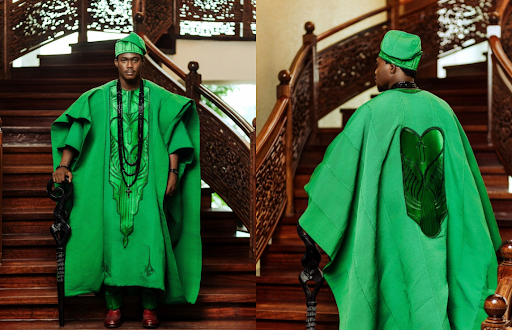
African menswear is experiencing an interesting shift. Traditional garments that once relied heavily on familiar silhouettes and established decorative techniques are finding new expression through contemporary tailoring, innovative fabric combinations and more elaborate embroidery. The result is a growing appreciation for clothing that respects cultural heritage while responding to modern ideas of luxury.
From flowing Agbadas to carefully structured Kaftans, the appeal of African traditional clothing has never rested on fabric alone. The way a garment falls, the precision of its finishing and the details that distinguish one design from another all contribute to its overall character. Increasingly, embroidery has become one of the defining elements in this conversation.
The Heritage Behind African Luxury Menswear
Traditional African clothing carries a visual language that extends beyond appearance. Fabrics, colours, patterns and decorative techniques often reflect regional identity, social occasions and personal expression.
In Nigeria, garments such as the Agbada, Buba and Kaftan remain important choices for weddings, religious celebrations, cultural gatherings and formal occasions. Their continued popularity, however, does not mean their design has remained unchanged.
Contemporary designers and tailors are experimenting with proportions, necklines, sleeve construction, fabric textures and decorative finishes. Some favour understated detailing, while others prefer elaborate chest panels and embroidery that immediately draw attention.
This relationship between heritage and innovation is not unique to Nigeria. Across Africa, traditional textiles and craft techniques continue to inspire contemporary fashion. The Victoria and Albert Museum’s exploration of African textiles highlights how weaving, dyeing and decorative processes remain part of an evolving creative tradition.
The challenge for modern menswear is finding a balance: retaining the character of traditional garments without making every design feel like a repetition of what has come before.
Why the Details Matter More Than Ever
A beautifully selected fabric may establish the foundation of an outfit, but its finishing often determines whether the final garment feels ordinary or distinctive.
Consider an Agbada designed for a wedding. Two outfits may use similar fabrics and follow almost identical silhouettes. Yet one can appear considerably more refined because of the way its embroidery is positioned, how its chest panel is constructed and how neatly its edges and seams are finished.
These details influence the visual balance of the garment.
Embroidery, in particular, provides designers with an opportunity to introduce texture, symmetry and individuality. A carefully arranged pattern can frame the neckline, extend across the chest or create a distinctive feature along the front of a Kaftan.
The important consideration is proportion. Heavy embroidery does not automatically translate into luxury. Sometimes a restrained design, executed with precision and placed thoughtfully, creates a more sophisticated result.
The relationship between fabric and thread also matters. A decorative pattern should complement the material rather than overwhelm it. Colour contrast, stitch density and the intended placement all deserve consideration before production begins.
Digital Embroidery Is Expanding Creative Possibilities
For generations, decorative embroidery on traditional clothing depended heavily on the time, skill and practical limitations of manual production. Those methods remain valuable, but technology has introduced additional possibilities for fashion designers and garment makers.
Digital embroidery begins with a design prepared in specialised software. The artwork is translated into stitch instructions that an embroidery machine can interpret and reproduce.
This process gives designers greater control over details such as stitch direction, pattern symmetry, density and repeated motifs. It also makes it easier to prepare intricate designs for consistent reproduction.
For African menswear, the possibilities extend well beyond the conventional placement of names and logos.
Agbada chest panels, Kaftan fronts, Boubou detailing, pocket flaps and other garment features can incorporate decorative patterns that contribute to the identity of the finished outfit.
The technology does not replace creativity. Someone still has to understand the garment, develop an appropriate design and make decisions about how the embroidery should interact with the fabric. What digital tools offer is another way to translate that creative vision into a finished decorative detail.
The Growing Importance of Embroidery Placement and Design
One of the most interesting developments in contemporary traditional menswear is the attention being given to embroidery placement.
Rather than treating embroidery as an additional decoration, designers increasingly consider it during the planning of the garment itself.
A chest panel, for example, can become the visual centre of an Agbada. The arrangement of motifs around the neckline can influence how the upper section of the outfit is perceived. Similarly, embroidery along a Kaftan’s front opening can introduce detail without making the entire garment visually crowded.
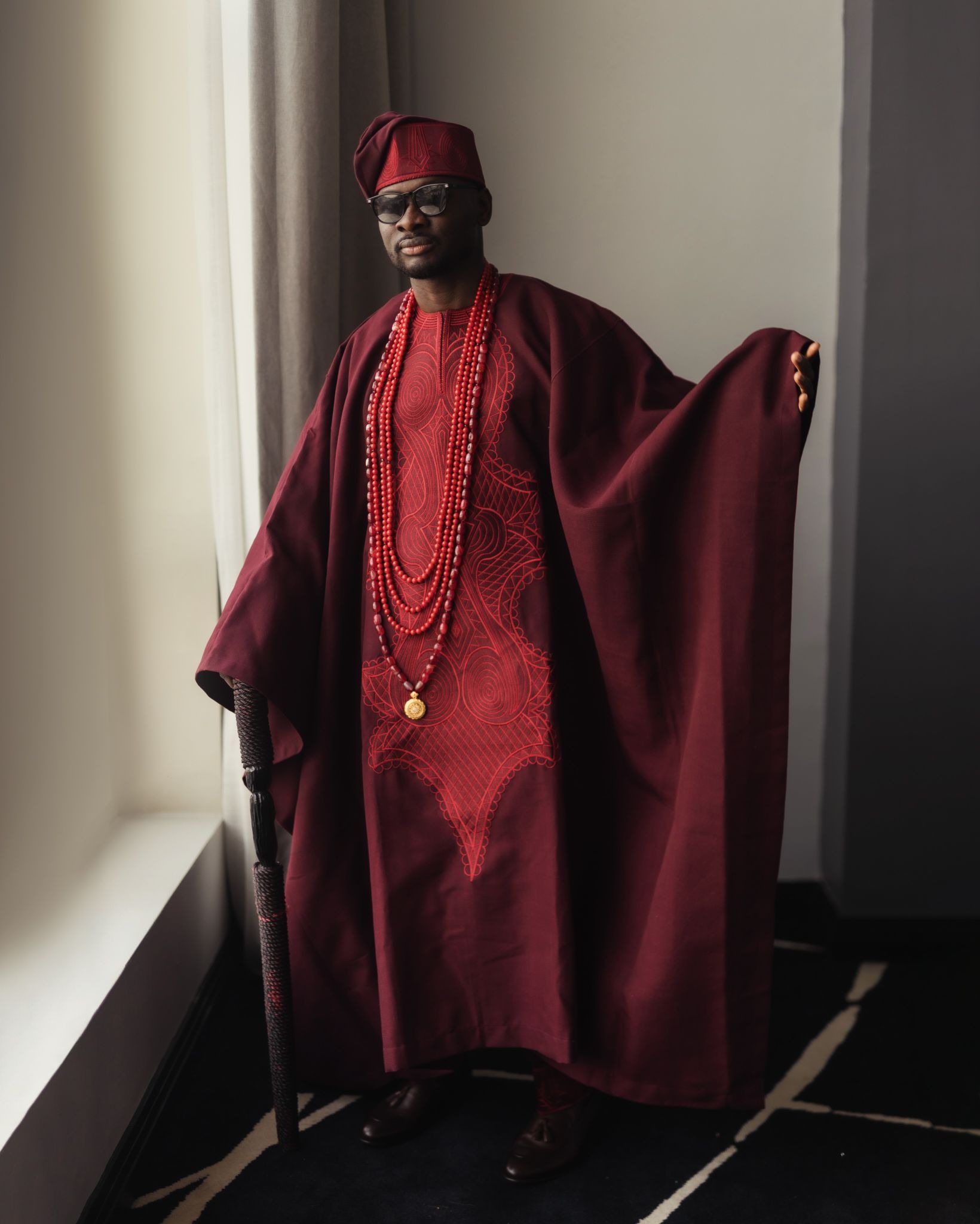
FAMK Aapprel Digital Embroidery Design
Pocket flaps offer another opportunity. Although relatively small, they can carry a decorative element that connects with the embroidery elsewhere on the outfit.
There is also room for experimentation with colour. Gold thread against a deep-toned fabric creates a different impression from silver detailing on white or cream material. Tone-on-tone embroidery, meanwhile, offers a more restrained approach for men who prefer subtle elegance.
The best results usually come from considering these decisions together: the garment’s silhouette, fabric, intended occasion, colour palette and embroidery pattern.
FAMK Apparel and the Changing Landscape of African Garment Decoration
As interest in more detailed traditional clothing grows, specialised embroidery businesses are becoming an important part of the wider African fashion ecosystem.
One Nigerian brand operating in this space is FAMK Apparel, which focuses on digital embroidery design and digitisation for African fashion. Its work covers traditional garments including Agbadas, Kaftans, Boubous and other styles, with designs intended for applications such as chest panels, pockets and garment flaps.
The brand’s approach reflects a broader shift in how embroidery is being used within African menswear. Rather than limiting machine embroidery to corporate logos, names or conventional uniform decoration, it explores how the technique can contribute directly to the appearance of culturally significant garments.
For designers and fashion enthusiasts interested in this development, FAMK Apparel offers a closer look at how digital embroidery is redefining African attire for men.
This growing intersection of fashion design and embroidery technology creates opportunities for tailors, clothing brands and independent designers to explore more distinctive garment finishes.
Styling Traditional Menswear for Modern Occasions
The growing attention to embroidery and garment detailing also changes how men approach styling.
An elaborately embroidered Agbada, for instance, may need relatively simple accessories to maintain visual balance. A well-fitted inner garment, complementary trousers and carefully selected footwear can allow the embroidery to remain the main attraction.
For Kaftans, the approach can be different. More restrained decorative details may work particularly well with clean footwear and understated accessories, creating an appearance suitable for formal gatherings and social occasions.
Colour coordination deserves equal attention. The embroidery thread does not necessarily need to match every accessory, but its relationship with the main fabric should feel intentional.
Occasion matters, too. Wedding attire may allow for more expressive detailing, while religious gatherings or formal events might call for cleaner patterns and less visual weight.
Ultimately, the most successful outfits are not necessarily the most elaborate. They are the ones in which the fabric, cut, embroidery and styling work together.
Where African Menswear Goes Next
The future of African luxury menswear will likely be shaped by a continued conversation between cultural heritage and contemporary design.
Traditional silhouettes provide a strong foundation, but there is still considerable room for experimentation in fabric selection, garment construction and decorative techniques. Digital embroidery is one part of that development, offering designers additional ways to explore detail without abandoning the cultural references that make these garments distinctive.
For brands, tailors and designers, the opportunity lies in understanding that innovation does not require losing tradition. A familiar garment can feel entirely different when its proportions, finishing and embroidery are approached with fresh creative thinking.
African menswear has always had a strong visual identity. What is changing is the range of tools and ideas available to the people shaping its next chapter.
