Vents MagaZine Music and Entertainment Magazine
Related Articles

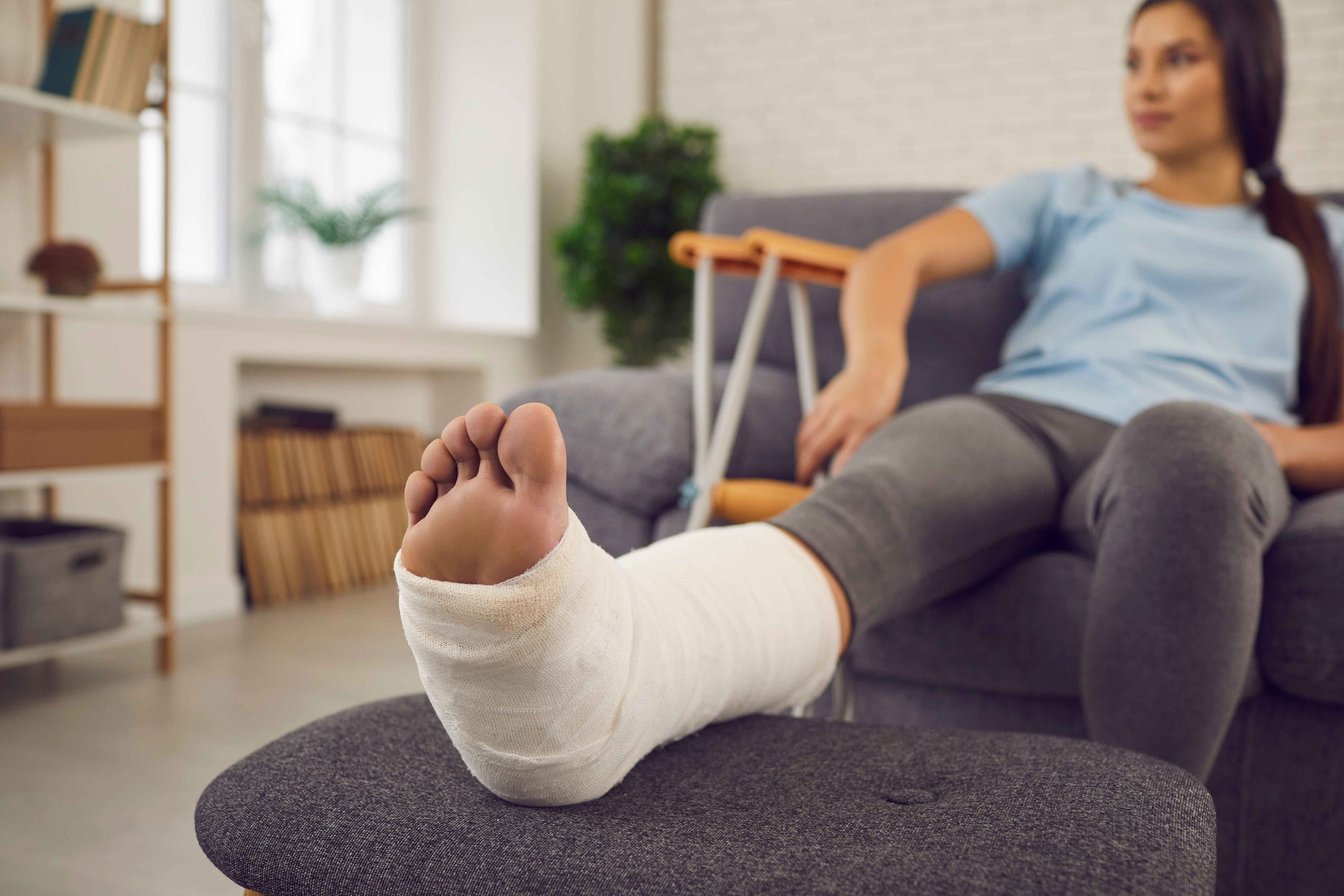
A wet restaurant floor, cracked sidewalk, or poorly lit staircase can turn an ordinary outing into a medical and financial problem. Still, an injury on someone else’s property does not automatically establish liability.
When unsafe conditions may have contributed to an injury, resources such as EKJ premises liability attorneys can provide information about possible legal options. Responsibility depends on the facts, evidence, and applicable law.
Premises liability examines whether the person or organization controlling a property took reasonable steps to identify, repair, or warn visitors about dangerous conditions.
What Is Premises Liability and How Does It Work?
Premises liability may apply when an unsafe condition causes an injury at a shop, restaurant, apartment building, office, private home, or public walkway.
Key questions include who controlled the area, whether a dangerous condition existed, and whether a reasonable inspection should have discovered it. Investigators may also consider warnings, attempted repairs, and the injured person’s conduct. Legal standards vary by state and situation.
Common Causes of Slip-and-Fall Accidents
Potential hazards include wet floors, loose carpeting, broken stairs, poor lighting, cluttered aisles, uneven pavement, and obstructed entrances. The setting can influence who was responsible for addressing the danger.
Falls can have serious consequences, particularly for older adults. The CDC states that “more than one out of four older people falls each year” and reports about 4.5 million related emergency department visits annually. The BLS also recorded 479,480 private-industry cases involving falls, slips, or trips that led to days away from work in 2024.
Property Owner Responsibility and Negligence
Reasonable maintenance may include inspections, prompt repairs, adequate lighting, and warnings while a hazard is being addressed. A restaurant might place visible signs around a freshly mopped floor.
Notice often matters. Actual notice means the responsible party knew about the condition. Constructive notice concerns whether reasonable care should have uncovered it. A sudden spill may be evaluated differently from a broken step reported repeatedly for weeks.
How Evidence Can Influence Accident Liability
Conditions can change quickly after an accident. Photographs and video can preserve details such as lighting, warning signs, debris, moisture, or surface damage.
Incident reports, witness statements, surveillance footage, inspection logs, repair requests, and medical records may also help. If a customer slips on a supermarket spill, camera footage and cleaning records could show when it appeared and whether employees had time to respond.
People injured on commercial property may also benefit from understanding their rights after an accident in a place of business, particularly when treatment, insurance communications, and evidence preservation overlap.
What to Do After a Slip-and-Fall Accident
Medical attention should come first, especially for severe pain, difficulty standing, or a possible head injury. The incident should also be reported to the owner or manager.
If safe, the injured person can photograph the location, obtain witness details, and request the incident report. Medical records, receipts, correspondence, and notes about missed work should be preserved. Qualified guidance can clarify rights, deadlines, and possible next steps.
Preventing Accidents Through Property Maintenance
Regular inspections and timely repairs can reduce hazards. Property managers can clear walkways, replace loose flooring, maintain stair rails, improve lighting, and use visible warnings when immediate correction is impossible.
Visitors contribute by following posted directions and paying reasonable attention to their surroundings. Property maintenance and individual awareness both matter.
Understanding Responsibility After an Accident
Liability depends on context rather than the accident alone. Prompt medical care, careful documentation, and reliable legal information can help an injured person understand what happened and make informed decisions without presuming a particular outcome.
Frequently Asked Questions
What is premises liability?
Premises liability is a legal principle that may hold a property owner or another responsible party accountable when negligence involving an unsafe property condition causes an injury.
Who is responsible for a slip-and-fall accident on private property?
Responsibility depends on who controlled the property, what caused the fall, whether the hazard was known or reasonably discoverable, and what precautions were taken. The injured person’s actions may also be relevant.
What evidence is important after a slip-and-fall accident?
Useful evidence may include photographs, video, witness information, incident reports, surveillance footage, maintenance records, and medical documentation.
What should someone do after being injured on another person’s property?
They should seek appropriate medical care, report the accident, document the scene when safe, preserve related records, and obtain qualified advice when questions about responsibility or deadlines arise.