Vents MagaZine Music and Entertainment Magazine
Related Articles

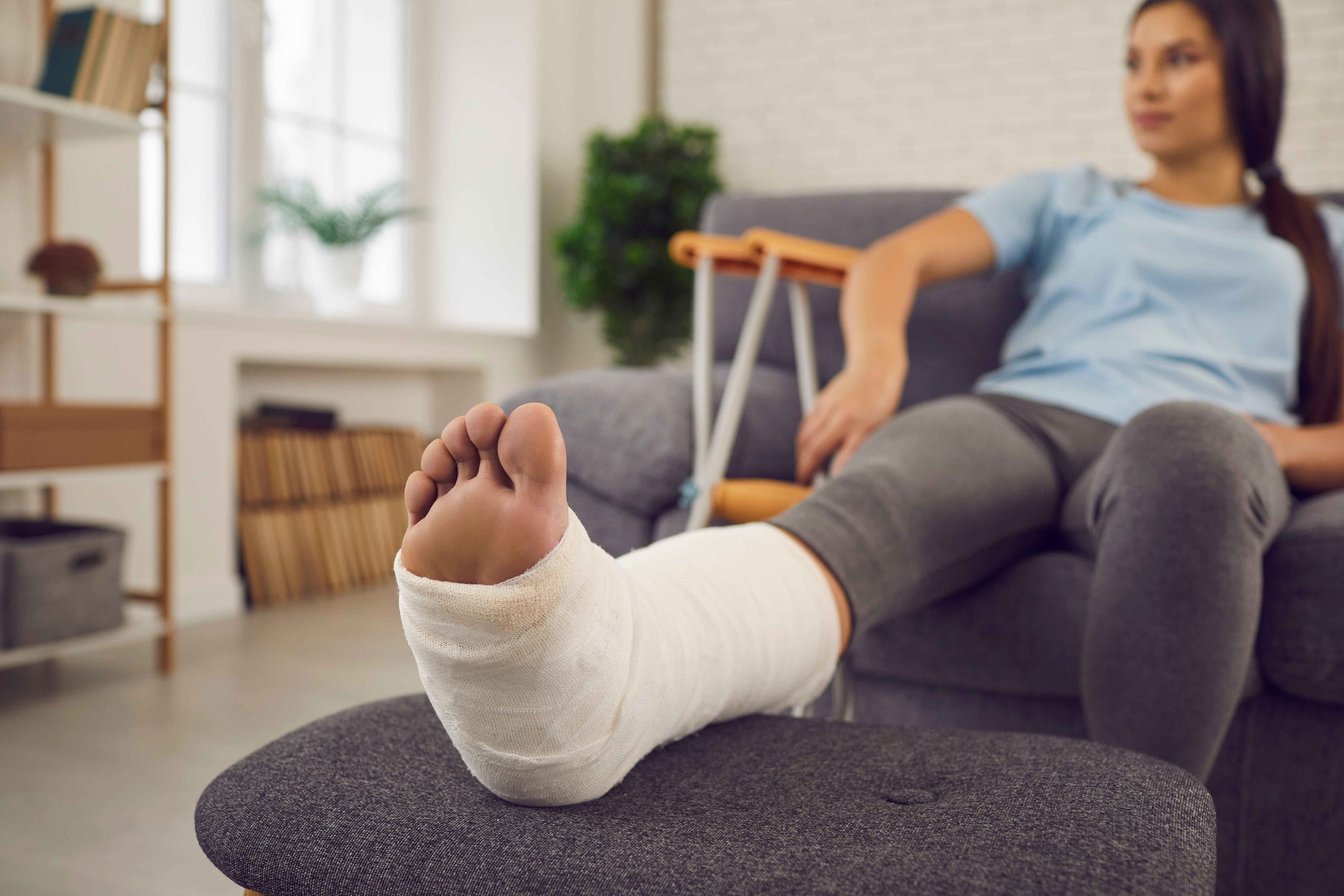
Getting hurt in a store, restaurant, office, hotel, or other business can create immediate medical, financial, and legal concerns. A fall, falling object, unsafe walkway, or poorly maintained area can result in injuries that affect work, mobility, and everyday life.
When an injury happens on commercial property, the circumstances matter. Businesses generally have responsibilities related to maintaining reasonably safe premises, but every incident is different. Understanding what steps to take after an injury can help preserve important information and make it easier to evaluate whether a personal injury claim may be appropriate.
Fall-Related Injuries Send Millions of People to Emergency Care
Falls can cause much more serious injuries than people sometimes expect.
More than 8 million patients required emergency medical care for fall-related injuries in 2019 alone. These incidents can result in broken bones, sprains, head injuries, back injuries, and other medical problems. Older adults and people with existing mobility limitations may be particularly vulnerable to severe consequences.
When a fall occurs inside a business, getting medical attention should be the first priority. Even injuries that initially seem minor may become more painful or noticeable later.
Medical records can also document what injuries were diagnosed and when treatment began.
Slip and Fall Cases Make Up a Significant Portion of Injury Lawsuits
Premises-related accidents are a common part of personal injury law.
According to Worldmetrics, slip and fall cases make up 15% of personal injury lawsuits in the United States. These cases can involve wet floors, damaged stairs, uneven surfaces, poor lighting, debris, loose flooring, or other hazardous conditions.
However, simply falling inside a business does not automatically mean the business is legally responsible.
Questions may arise about whether a dangerous condition existed, whether the business knew or should have known about it, and whether reasonable steps were taken to correct the hazard or warn visitors.
A personal injury lawyer can review the circumstances and explain how these factors may apply.
Many Injury Claims Settle Before a Lawsuit Is Filed
Not every personal injury claim turns into a lengthy court case.
According to WifiTalents, approximately 60% of injury claims are settled before a lawsuit is formally filed, largely through insurance negotiations. This means discussions with insurers can become an important part of the process.
A business may have liability insurance that handles claims involving injuries on the property. The insurer may investigate the incident, review medical records, and evaluate potential compensation.
An injured person should be cautious about accepting an early settlement before understanding the extent of the injuries and related expenses.
Once a settlement is finalized, additional compensation may no longer be available.
Seek Medical Attention Promptly
Medical care should come before concerns about a potential legal claim.
Some injuries are obvious immediately, while others develop gradually.
Head injuries, soft-tissue damage, or back problems may not produce severe symptoms until hours or days after an accident.
Prompt evaluation can help identify injuries and establish a treatment plan.
People should also follow medical recommendations and attend follow-up appointments.
Large gaps in treatment may make recovery more difficult and can also create questions about the seriousness or cause of the injury.
Report the Incident to the Business
If possible, notify a manager or employee before leaving the property.
Many businesses have procedures for documenting accidents.
An incident report may record the date, time, location, and basic circumstances of what occurred.
Ask how the report will be handled and keep any documentation provided.
Avoid guessing about details you do not know.
The goal is simply to make sure the business has a record that the incident occurred.
Photograph the Hazard
Conditions can change quickly after an accident.
A spill may be cleaned, debris removed, lighting repaired, or damaged flooring replaced.
Photographs can preserve what the scene looked like at the time of the incident.
Take pictures of the specific hazard, surrounding area, lighting, warning signs, and any visible injuries when appropriate.
Wider photographs can provide context, while close-up images may show the exact problem.
If you are physically unable to take pictures, someone who is with you may be able to help.
Identify Witnesses
Other customers or employees may have seen what happened.
Witnesses can sometimes provide important information about the condition of the property before the accident.
If possible, obtain names and contact information.
A witness may have seen a spill remain on the floor for a significant period or noticed that no warning sign was present.
Employees may also know about previous complaints or maintenance issues.
Independent witnesses can be particularly valuable when the business and injured person disagree about how the incident occurred.
Surveillance Footage May Exist
Many businesses use security cameras.
Video may capture the accident itself or show how long a hazardous condition existed beforehand.
However, surveillance recordings may not be stored indefinitely.
A lawyer may send a preservation request asking the business to retain relevant footage.
This is one reason acting promptly can be important.
Video can sometimes provide much clearer evidence than relying only on memory or written descriptions.
Keep the Clothing and Shoes You Were Wearing
What you were wearing during the accident may become relevant.
Shoes can sometimes be examined when there is a dispute about traction or how the fall occurred.
Clothing may also show damage or contamination from substances on the floor.
Rather than immediately throwing these items away, consider keeping them in the condition they were in after the accident.
Photographs can also document their condition.
A lawyer can advise whether preserving specific items is important in a particular case.
Businesses May Have a Duty to Address Hazards
Commercial property owners and operators generally have responsibilities toward lawful visitors.
Exactly what those responsibilities involve depends on the circumstances and applicable state law.
Businesses may need to inspect areas, correct known hazards, or provide warnings when a dangerous condition cannot be immediately repaired.
For example, a recently mopped floor might require a warning sign.
A damaged stairway may need to be blocked off until repairs are completed.
A personal injury case often focuses on whether the business acted reasonably under the circumstances.
Notice Can Become a Major Issue
One important question is how long the dangerous condition existed.
If a customer spills a drink and another person slips seconds later, the business may not have had enough time to discover the problem.
If the spill remained for an extended period without being addressed, the situation may be different.
Lawyers sometimes look for inspection logs, employee statements, surveillance footage, or other evidence to determine whether the business had notice.
Prior complaints about the same hazard may also become relevant.
Medical Expenses May Be Part of a Claim
An injury can lead to substantial healthcare costs.
Emergency treatment, imaging, surgery, physical therapy, medication, and follow-up care may all become necessary.
A personal injury claim may seek compensation for qualifying medical expenses when another party is legally responsible.
Future medical treatment may also need to be considered if the injury has not fully healed.
This is another reason an injured person should understand the likely medical outlook before agreeing to a settlement.
Lost Income Can Matter
Some injuries prevent people from working.
A person may miss several days, require reduced hours, or become unable to perform physically demanding job duties.
Documentation from employers can help establish missed work and lost wages.
More serious injuries may affect long-term earning ability.
A lawyer can help evaluate whether lost income should be included as part of a claim.
Keeping accurate records can make it easier to demonstrate the financial impact.
Avoid Giving Detailed Recorded Statements Too Quickly
An insurance company may request a statement about what happened.
People should be careful when providing detailed recorded accounts before they understand their rights.
Statements made early in the process may later be compared with medical records, witness testimony, or other evidence.
Memory can also be affected by stress immediately following an accident.
An attorney can explain whether a recorded statement is required and how communications with insurers should be handled.
Be Careful With Social Media
Social media posts can sometimes become relevant in personal injury disputes.
Photographs, videos, location information, or comments may be interpreted in ways the person did not expect.
For example, an insurer may question the severity of an injury based on a photograph showing physical activity.
This does not necessarily mean someone must completely disappear from social media.
However, avoiding detailed posts about the accident, injuries, or legal claim is generally a sensible precaution.
Deadlines Can Apply to Injury Claims
Personal injury claims are subject to statutes of limitations.
These deadlines vary by state and by the circumstances of the case.
Waiting too long can result in losing the ability to pursue compensation.
Additional notice requirements may sometimes apply when a government-owned property or other special entity is involved.
Speaking with a lawyer relatively early can help clarify which deadlines apply.
A Lawyer Can Evaluate Responsibility
Premises liability cases often depend on details that are not obvious immediately after an accident.
A lawyer may investigate maintenance records, surveillance footage, employee procedures, photographs, medical evidence, and witness statements.
The attorney can also communicate with insurers and evaluate settlement offers.
Legal representation does not guarantee a particular outcome, but it can help an injured person understand the strengths and weaknesses of the claim.
Protect Your Rights From the Beginning
An injury at a place of business can create problems that continue long after the initial accident.
Medical treatment, time away from work, insurance negotiations, and physical recovery can all become part of the aftermath.
Taking practical steps early can help protect important evidence. Seek medical care, report the incident, document the scene, preserve relevant records, and identify witnesses whenever possible.
If the injury is serious or responsibility is disputed, speaking with a personal injury lawyer can help clarify available options. Understanding your rights gives you a better foundation for making decisions about medical bills, insurance negotiations, and any potential legal claim.