Vents MagaZine Music and Entertainment Magazine
Related Articles

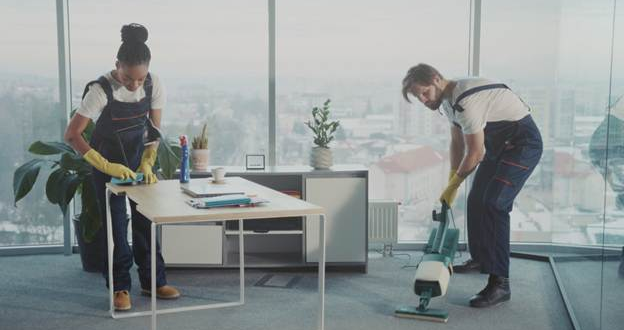
Maintaining a commercial property involves more than keeping the building clean and presentable. Property owners must also consider pest prevention, indoor air quality, and the condition of shared workspaces. Regular maintenance can help protect building materials, support a healthier environment for employees and visitors, and reduce the likelihood of problems requiring extensive attention. By understanding essential maintenance facts and establishing consistent cleaning routines, commercial property owners can make informed decisions about caring for their buildings.
Pest Prevention Helps Protect Commercial Buildings
Pest control is an important part of maintaining commercial properties, particularly in buildings where food, waste, and moisture can attract insects. Ants can enter through small openings around windows, doors, foundations, and utility lines. Once inside, they can become a recurring problem if food sources and entry points remain unaddressed.
According to Briostack, ants represent the largest service category overall, driving roughly 25% of all pest control service revenue. This statistic highlights the demand for ant control services and the importance of pest prevention. For commercial property owners, an ant problem can affect the appearance and cleanliness of a building, especially in kitchens, break rooms, restaurants, and storage areas.
Routine inspections can help identify conditions that attract pests before an infestation develops. Owners should pay attention to gaps around doors and windows, signs of moisture, and areas where food waste accumulates. Keeping waste containers covered, maintaining clean common areas, and addressing leaks can help reduce pest activity. When signs of an infestation appear, a qualified pest control provider can identify the source and recommend an appropriate treatment plan.
Regular Vent Cleaning Supports Indoor Air Quality
Indoor air quality is another important consideration for commercial buildings. Offices and other workplaces rely on heating, ventilation, and air conditioning (HVAC) systems to circulate air and maintain comfortable temperatures. Over time, dust can accumulate around vents and other accessible surfaces, making routine cleaning an important part of building maintenance.
According to Forbes, office air vents should be vacuumed monthly to remove dust and improve indoor air quality. This recommendation offers property owners a practical way to incorporate vent cleaning into their regular maintenance schedules. Keeping vents free of visible dust can also help maintain a cleaner appearance throughout offices and shared spaces.
However, surface cleaning is only one part of HVAC maintenance. Property owners should also follow manufacturer recommendations for filter replacement and arrange professional inspections when necessary. Blocked vents, unusual odors, and inconsistent airflow can indicate issues that require further attention. Working with a qualified HVAC technician can help owners identify problems and keep ventilation equipment operating as intended.
Professional Carpet Cleaning Addresses Health Concerns
Carpets can contribute to a comfortable, professional-looking commercial environment, but they also collect dirt, dust, and other particles brought in by employees and visitors. High-traffic areas, including reception spaces, hallways, and conference rooms, can experience considerable buildup. Regular vacuuming helps manage surface debris, while periodic deep cleaning addresses dirt embedded within carpet fibers.
According to Service Monster, 36% of surveyed consumers said allergy and health concerns involving issues such as dust mites and mold influenced their decision to hire a professional carpet cleaner in the 2025 State of Professional Carpet Cleaning Survey Report. This statistic highlights the role health concerns can play in decisions about professional cleaning.
Commercial property owners can establish cleaning schedules based on foot traffic, carpet type, and the needs of the building. Businesses with busy entrances or shared workspaces might require more frequent attention than areas used occasionally. Promptly addressing spills and visible stains can also help preserve carpet appearance and reduce the risk of lasting damage. Professional cleaners can recommend suitable methods for the property’s flooring and cleaning requirements.
Effective commercial property maintenance depends on consistent attention to cleanliness, pest prevention, and building systems. Ant control can help protect workspaces from recurring infestations, monthly vent cleaning can support indoor air quality, and professional carpet cleaning can address embedded dirt and common cleanliness concerns. By incorporating these tasks into a planned maintenance schedule, property owners can keep their buildings presentable, address potential problems earlier, and provide a cleaner environment for employees, tenants, and visitors.