Vents MagaZine Music and Entertainment Magazine
Related Articles


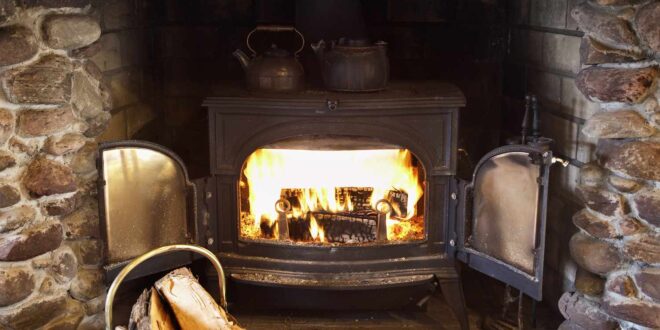
Heating with wood is a practical way to cut energy costs, add warmth, and keep your home comfortable when the weather turns harsh. But choosing a stove involves more than picking a style. You also need to think about installation, fuel, and how well the unit will heat your space. Whether you’re looking at a wood stove for sale or comparing pellet stoves for sale, this guide walks you through what to know before you buy.
How Wood Stoves and Pellet Stoves Work
A traditional wood stove burns seasoned logs in a firebox. You load the fuel by hand and control the burn with air intake settings. Heat radiates from the stove body and warms the room, and many models keep going without electricity.
A pellet stove burns small, compressed pellets made from sawdust and wood waste. Pellets are stored in a hopper and fed automatically into the burn pot by an auger. A fan circulates warm air, and many models include a thermostat or programmable controls, so the stove maintains a steady temperature with little effort from you.
Choosing the Right Size
Sizing is one of the most important decisions. A stove that’s too small will struggle to warm your home, while one that’s too large can overheat the room and burn inefficiently.
Consider these factors:
- Square footage: Match the stove’s rated heating capacity to the area you want to warm.
- Layout: Open floor plans distribute heat more easily than homes with many closed-off rooms.
- Insulation: A well-insulated home needs less output than a drafty one.
- Climate: Colder regions call for more heating power.
Check the manufacturer’s specifications and ask a knowledgeable retailer to help you match the stove to your space.
Installation Essentials
Proper installation is the foundation of safe, efficient heating. Requirements vary by location and model, so always follow the manufacturer’s instructions and your local building codes.
Placement and clearances. Stoves must sit a safe distance from walls, furniture, and other combustible materials. Most units also need a non-combustible hearth pad to protect the floor.
Venting. A wood stove needs a chimney or approved flue system that provides strong draft to carry smoke out of your home. Pellet stoves typically use smaller venting, which can often run through a wall or an existing chimney, but the requirements still matter. Poor venting can hurt performance and create serious safety risks.
Electrical needs. Pellet stoves require an outlet to power the auger, fans, and controls. If you rely on outages-proof heating, ask about battery backup options. Traditional wood stoves don’t need electricity to operate.
Professional help. Hiring a certified installer is strongly recommended, especially for flue and chimney work. Many insurance providers and municipalities also require inspections or permits.
Fuel: Cordwood vs. Pellets
Your fuel choice shapes your daily routine and your costs, so it deserves careful thought.
Firewood for wood stoves. Well-seasoned hardwood, dried for at least six to twelve months, burns hotter and cleaner. Wet or green wood produces more smoke and creosote, a residue that builds up in chimneys and can cause fires. You’ll need space to split, stack, and store firewood, ideally off the ground and covered on top while allowing airflow. If you have access to affordable or free wood, this can be an economical choice.
Pellets for pellet stoves. Pellets are uniform, dry, and easy to store in bags. Because they burn consistently, they deliver steady heat with less ash than logs. Look for quality pellets with low ash content, since poor-quality fuel can lead to more cleaning and even performance issues. Buying early in the season, and in bulk if possible, helps you avoid shortages and price increases. When you’re shopping among pellet stoves for sale, it’s worth asking which pellet types the manufacturer recommends.
Heating Performance and Efficiency
Both stove types can heat effectively, but they do it differently.
Wood stoves produce strong radiant heat, and the warmth from a real fire is hard to match. Modern, emissions-certified models burn wood far more efficiently than open fireplaces, extracting more heat from each log while producing less smoke.
Pellet stoves excel at consistency. Their automated feed and thermostat controls hold a set temperature, which suits people who want dependable comfort without tending a fire. Their efficiency ratings are often high because the fuel is so uniform.
Neither is universally better. A wood stove suits those who value independence from the grid and the experience of a live fire, while a pellet stove suits those who value convenience and precision.
Maintenance Made Simple
Regular upkeep keeps your stove safe and efficient for years.
For wood stoves:
- Remove ash regularly, leaving a thin bed to help the next fire start.
- Inspect door gaskets and seals for wear.
- Have the chimney inspected and cleaned at least once a year, or more often with heavy use.
For pellet stoves:
- Clean the burn pot and empty the ash pan frequently, sometimes daily or weekly depending on use and fuel quality.
- Clean the heat exchanger and vent system as directed in the manual.
- Schedule an annual professional service to check the motors, fans, and auger.
Always let the stove cool completely before cleaning and follow the manual for your specific model.
Safety Checklist
Wood heating is safe when done properly. Keep these basics in mind:
- Install working smoke and carbon monoxide detectors on every level of your home.
- Keep flammable items well away from the stove.
- Use only the fuel your stove is designed to burn.
- Store ashes in a metal container with a lid, away from the house.
- Keep a fire extinguisher nearby.
Tips for Buying the Right Stove
Before you purchase, take a moment to consider your priorities:
- Set a total budget. Include installation, venting, fuel, and maintenance, not just the sticker price.
- Confirm local rules. Check emissions standards, permit requirements, and any restrictions in your area.
- Think about your routine. Decide whether you prefer hands-on fire tending or automated convenience.
- Plan for fuel storage. Make sure you have room for cordwood or pellets.
- Buy early. Popular models and installation appointments can book up as temperatures drop.
If you’re ready to start shopping, browsing a reliable wood stove for sale is a good way to compare features, sizes, and price points side by side. Retailers can also answer questions about clearances, venting, and warranties, which makes the decision easier.
Final Thoughts
Choosing between a wood stove and a pellet stove comes down to how you live. A wood stove offers timeless character, grid independence, and powerful radiant heat. A pellet stove offers convenience, consistency, and clean operation. With proper sizing, professional installation, quality fuel, and regular maintenance, either option can keep your home warm for many winters.
Take your time, ask questions, and choose the stove that fits your space and lifestyle. When you’re ready, explore a wood stove for sale or view pellet stoves for sale to find the perfect match for your home. Our team is here to help you heat with confidence.