Vents MagaZine Music and Entertainment Magazine

Related Articles


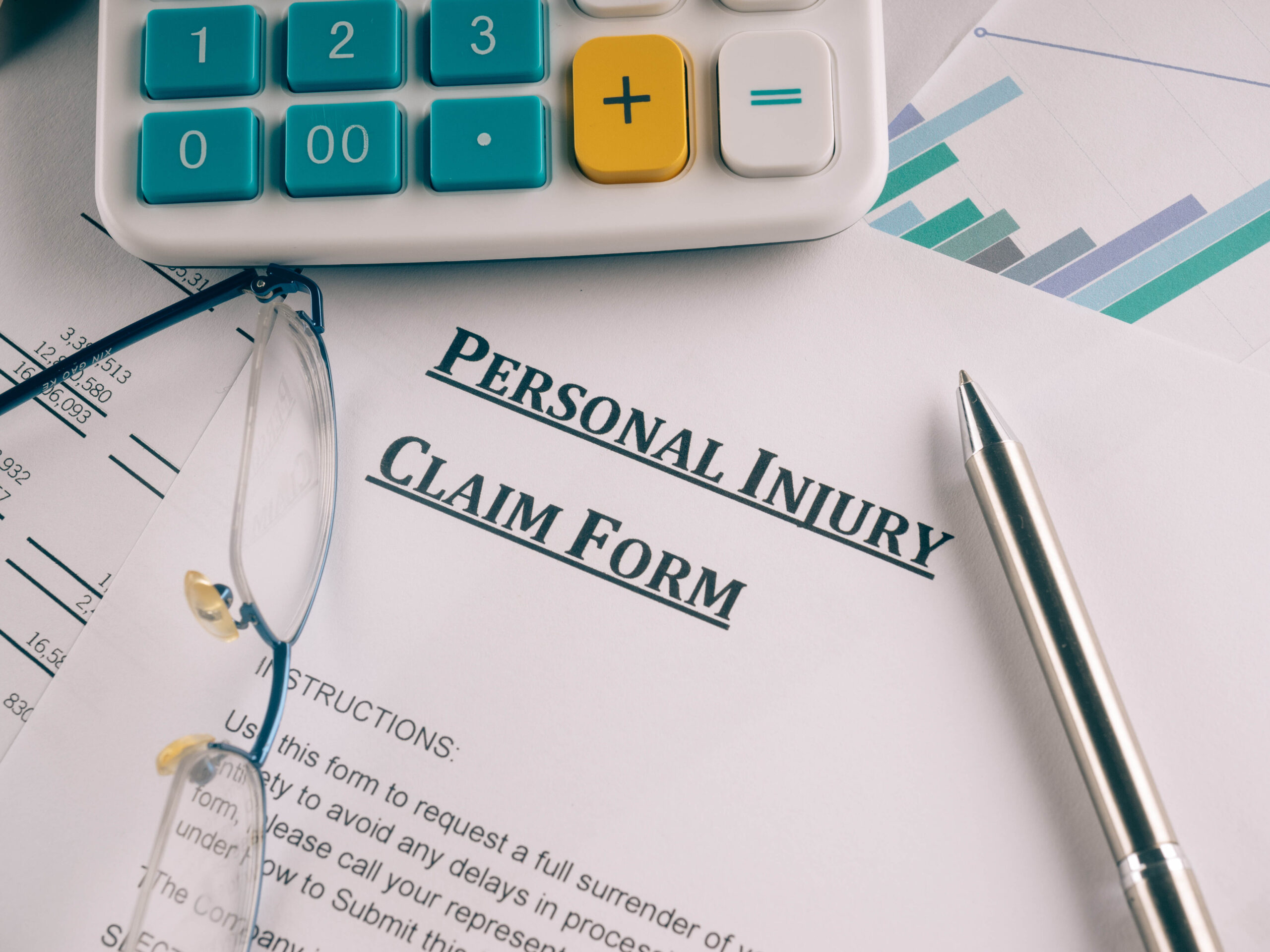
A car accident can instantly turn an ordinary day into a stressful and confusing experience. Beyond the immediate concerns of injuries and vehicle damage, those involved must often navigate insurance claims, financial responsibilities, and possible legal action. In the aftermath, knowing what steps to take can make a significant difference. Access to reliable legal information after a car accident helps individuals understand their options and avoid decisions that could complicate their recovery.
The uncertainty can become even more challenging when insurance companies and medical providers become involved. Resources and legal insight from law firms such as Shane Smith Law accident attorney Charlotte can help those involved in a car accident better understand what legal rights and next steps they have in the aftermath. Having someone on their side can mean the difference between declaring bankruptcy and rebuilding their lives and moving forward.
The consequences of road accidents also highlight why awareness matters. The U.S. Centers for Disease Control and Prevention (CDC) states: “Motor vehicle crashes are a leading cause of death in the US.”
Understanding Your Legal Rights After a Car Accident
Knowing their legal rights gives accident victims a clearer understanding of what they can expect after a collision. These rights involve responsibilities, liability, insurance coverage, and the legal options available to those affected.
Understanding car accident liability is particularly important when questions arise about who caused the collision. Different circumstances may influence how responsibility is determined, and incomplete information can lead to misunderstandings. Accident victims also need to understand how insurance policies apply to their situations and what options may be available when another party’s actions contribute to their losses.
Why Accurate Information Matters During Insurance Claims?
Insurance claims often involve several stages, from reporting the accident to submitting supporting documents and discussing compensation. Each stage requires accurate information. Even small misunderstandings about coverage or claim requirements can create unnecessary complications.
Incomplete documentation may make it harder to establish the extent of vehicle damage, injuries, or other losses. Similarly, misunderstanding policy provisions can create confusion about what an insurance provider may cover.
Another important consideration involves settlement decisions. Accepting an offer before understanding the full circumstances of an accident can affect the options available later. Reliable information and a complete understanding of the settlement offer helps individuals evaluate the claims process carefully instead of making rushed decisions during an already difficult time.
What Information Should You Collect After a Collision?
Good documentation provides a clearer record of what happened and the resulting losses. Organizing relevant information can also make communication with insurance providers more straightforward.
Important records to collect after a car accident include:
- Photographs: Pictures of vehicle damage and the accident scene can help document visible conditions and circumstances.
- Witness information: Names and contact details of witnesses may help clarify what happened.
- Police or crash reports: These records provide important information about the reported collision.
- Medical documentation: Medical records and treatment documents help establish the injuries and care received.
- Insurance details: Information about the insurance policies involved helps support the claims process.
- Repair estimates and receipts: These documents record vehicle damage and related repair expenses.
- Insurance communications: Keeping records of conversations and correspondence with insurance providers helps individuals track claim-related discussions.
Together, these materials create an organized account of the collision and its consequences.
When Should You Seek Legal Guidance After an Accident?
Some accidents involve issues that are difficult to resolve without professional assistance. Disputed liability, significant injuries, complicated insurance claims, and disagreements over compensation may all create uncertainty.
In these situations, qualified legal professionals can help individuals understand their rights, review available information, and identify possible legal options. They can also explain how personal injury claims work and what factors may influence accident compensation.
Legal guidance after a collision does not guarantee a particular outcome. Instead, it helps individuals understand complicated matters and make decisions based on their circumstances rather than assumptions or unrealistic expectations.
Finding Trustworthy Legal Information After a Collision
Not every online source provides accurate legal information. General commentary, personal experiences, and outdated articles may not reflect the current laws applicable to a particular accident.
Individuals should distinguish official resources from informal online discussions. Government websites, official legal publications, and relevant state resources can provide more dependable information. They should also verify whether the information reflects applicable state laws, since legal responsibilities and insurance requirements may differ between jurisdictions.
Checking the source, publication date, and legal jurisdiction can help prevent confusion and reliance on inaccurate guidance.
Making Informed Decisions After an Accident
The period following a collision often brings physical, emotional, and financial challenges. Reliable information cannot remove every difficulty, but it can help individuals approach those challenges with greater clarity and knowledge.
Understanding legal rights, keeping organized documentation, reviewing insurance procedures, and recognizing when professional guidance may help are all important steps. Ultimately, informed decisions begin with dependable information. When accident victims understand their available options, they are better positioned to navigate the claims process and focus on moving forward.
FAQs:
1. What should you do immediately after a car accident?
Check for injuries, contact emergency services when necessary, move to a safe location if possible, exchange information, document the accident scene, and follow applicable reporting requirements.
2. Why is it important to understand your legal rights after a car accident?
Understanding your rights can help you make informed decisions about insurance claims, liability, documentation, and potential compensation.
3. What evidence should you collect after a car accident?
Useful evidence may include photographs, witness contact information, police reports, medical records, repair estimates, and insurance correspondence.
4. When should you speak with a car accident lawyer?
Legal guidance may be helpful when liability is disputed, injuries are significant, insurance claims become complicated, or settlement offers raise questions.