Vents MagaZine Music and Entertainment Magazine
Related Articles



An accident can divide life into a before and after. Medical treatment may begin immediately, but missed work, disrupted routines, insurance calls, and uncertainty can continue much longer.
Thiessen Law Firm offers information about personal injury matters, while the larger recovery process may also require medical care, emotional support, and financial planning.
The scale of accident-related injuries that occur in the US is significant. The Centers for Disease Control and Prevention (CDC) reports that motor vehicle crashes led to more than 2.8 million U.S. emergency-department visits in 2023. The agency also states, “Motor vehicle crashes are a leading cause of death in the US.”
Physical Challenges During the Recovery Process After an Accident
Recovery timelines differ according to the injury and the person’s health. Broken bones, soft-tissue damage, spinal injuries, and traumatic brain injuries may involve pain, restricted movement, rehabilitation, or ongoing treatment. Bathing, cooking, driving, or climbing stairs can often become difficult for individuals.
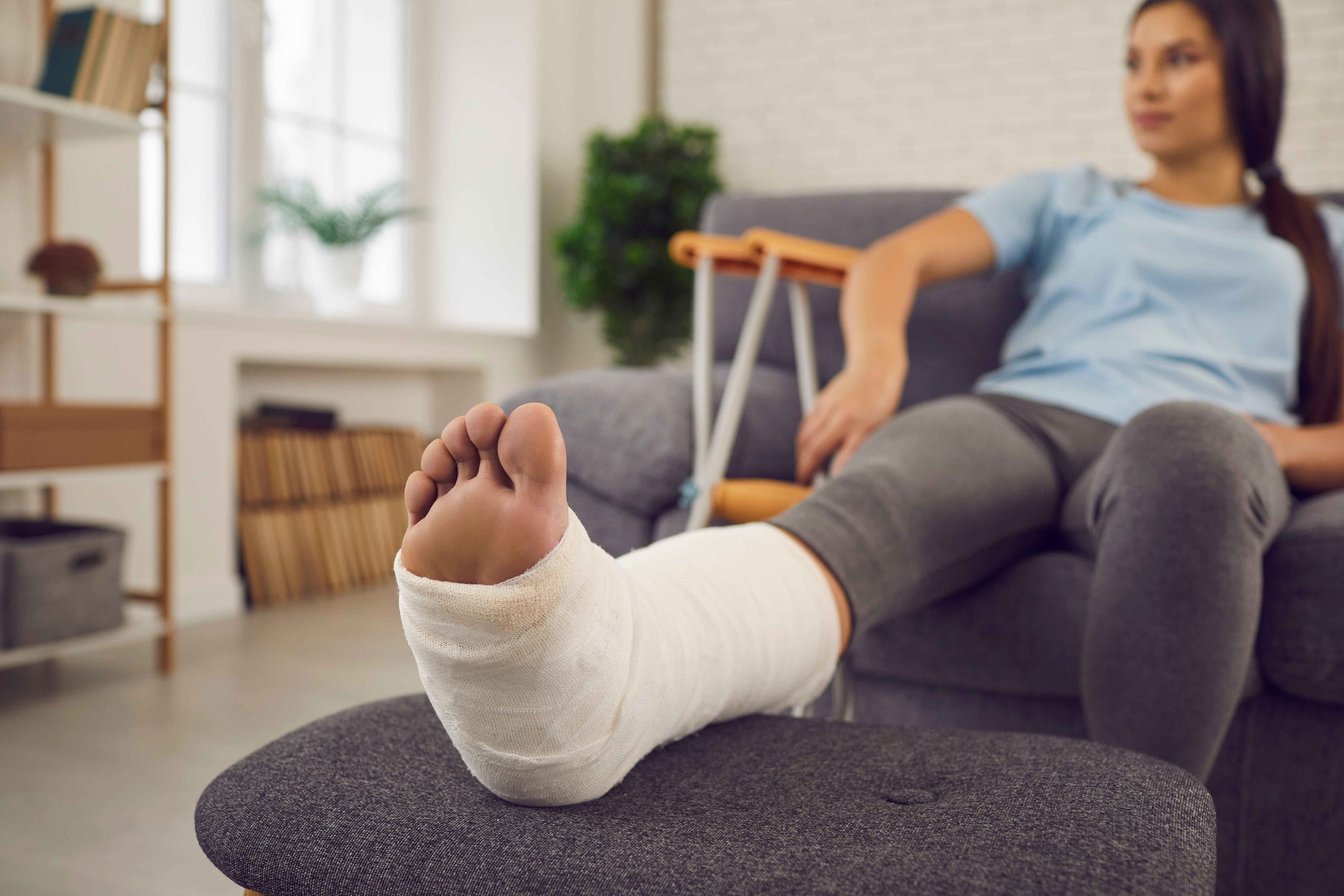
Someone who fractures a leg in a collision may need surgery followed by weeks of rehabilitation. Mobility assistance and transportation to appointments can disrupt the household routine. Following treatment recommendations and attending follow-up visits allow healthcare professionals to track progress.
Emotional and Mental Health Challenges After an Accident
Physical improvement does not always resolve emotional effects. Some people experience anxiety, sleep problems, frustration, depressed mood, or post-traumatic stress symptoms. A motorist may heal physically but still fear the intersection where the collision occurred afterwards.
Family, friends, counselors, and other qualified professionals can provide support for individuals in the aftermath of an accident. Emotional recovery has no fixed schedule, and assistance may offer practical ways to address distress that affects work, relationships, or daily activities.
Financial Difficulties During Accident Recovery
Expenses can accumulate while income falls. Medical bills, rehabilitation, appointment travel, and household assistance may coincide with reduced hours or an inability to work. Some injuries can also limit future earning ability.
The CDC estimates that U.S. motor vehicle crash deaths in 2023 produced more than $457 billion in costs, including medical expenses and estimates for lives lost. At home, rent, utilities, groceries, and childcare continue even while income is reduced.
Returning to Work and Everyday Activities After an Injury
Returning to work may require modified duties, shorter hours, or accommodations. A job involving lifting or prolonged standing could remain impractical even after someone manages light tasks at home. Medical guidance can help define current limitations.
An injured person might depend on relatives for transportation, childcare, or housework. Hobbies, exercise, and social plans may pause. Realistic short-term goals can make gradual progress easier to recognize.
Insurance Claims and Legal Challenges After an Accident
Insurance paperwork adds another burden. Claimants may need to organize medical records, wage documentation, reports, photographs, bills, and correspondence. They should understand documents before signing them.
An early settlement offer may arrive while treatment continues. Before accepting it, the injured person should consider known expenses, future care, lost income, and release terms. VENTS Magazine’s discussion of how an injury lawyer may help after an accident explains that guidance may be useful when injuries, disputed facts, losses, or deadlines complicate a claim. No outcome is guaranteed.
Practical Ways to Manage Accident Recovery
An injured person can keep an appointment calendar, maintain a symptom and treatment log, store bills and insurance correspondence together, and record missed work. Regular communication with healthcare providers can clarify restrictions and next steps.
Family members may help with transportation or household tasks, while counselors can address emotional distress. Reviewing insurance and legal options can reduce the risk of overlooking documents or deadlines.
Moving Forward After an Accident
Recovery often progresses unevenly. Consistent care, emotional support, organized records, and informed decisions can help someone respond to changing needs. Progress should reflect the person’s health and circumstances, not someone else’s schedule.
Frequently Asked Questions
How long does recovery after an accident take?
It depends on injury severity, overall health, treatment needs, and individual circumstances. Serious injuries may require months or longer.
What challenges commonly follow an accident?
People may experience pain, limited mobility, anxiety, sleep problems, medical expenses, lost income, and difficulty resuming work or daily activities.
How can someone manage financial pressure during recovery?
They can track medical costs and lost wages, review insurance coverage, organize bills, and explore applicable compensation or payment options.
When might legal guidance be appropriate?
It may be useful when injuries are serious, responsibility is disputed, insurance issues become complicated, or questions arise about compensation and deadlines.