Vents MagaZine Music and Entertainment Magazine

Related Articles



Snow isn’t just scenery — it’s mood, metaphor, and sometimes the deadliest character on screen. Filmmakers know that a snowstorm can trap people together, make violence stand out against all that white, or turn the simplest mistake into a fight for survival. From icy thrillers to bleak Westerns, from surreal dreamscapes to dark comedies, these films and shows prove that when snow falls, stories get colder, sharper, and more dangerous.
1. Orphan (2009)
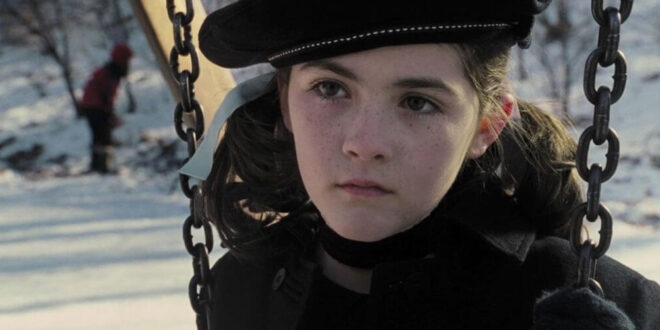
In Jaume Collet-Serra’s “Orphan,” a struggling married couple think they’ve adopted a Lisa Simpson, but it turns out they have a more murderous Bart. If you’re going to care for Esther (Isabelle Fuhrman), you’d better stay on her good side, or else! Kate (Vera Farmiga) and John (Peter Sarsgaard) are unsure what to do with Esther.
As her bad behavior escalates, it’ll have prospective adoptive parents weighing their options. Maybe plan a trip to the Caribbean (or some other warm place) rather than spending time and resources adopting a child to feel complete, benevolent, and charitable. After all, a child may seem kind at first, but what if that strange child you’re bringing into your home can break more than toys? Yeah, maybe that relaxing, tropical vacation’s a good idea, after all.
On that note, many of the more harrowing moments in “Orphan” actually happen in the snow, and on the ice, so Kate and John probably also regret not living somewhere a little warmer. That being said, “Orphan” also demonstrates how a cold environment can be used to one’s advantage against a menace like Esther, too.
2. Frozen (2010)
The title “Frozen” is forever co-opted by the Disney franchise, which is unfortunate when mentioning this wintry survival thriller from Adam Green. In fact, to clear up confusion, maybe this title should be changed to “The Lift,” as it’s about a group of skiers stranded on a ski lift, rather than ice princesses and some goofy, talking snowman. Still, this “Frozen was indeed here first, and maybe it doesn’t need to change for anyone.
Anyway, the premise here is about as simple as previously described. What would you do if you were stranded on a ski lift, high in the air, facing freezing temperatures and wolves. Yes, wolves that come out in the night, looking for a quick meal…potentially with faces, names, and ID cards. These dynamics turn their rideon the lift into a nightmare, and any attempt to escape risks a terrible downward plunge.
Part of the beauty of “Frozen” is the simplicity, and the knowledge that this really could happen. There doesn’t always need to be some mask-wearing maniac for scares or some strange monster in a deep snow cave. Sometimes the state of panic of a situational horror is enough, and Dan (Kevin Zegers), Parker (Emma Bell), and Joe (Shawn Ashmore). Did we mention there are wolves? So not only do they risk fading away due to the extreme cold, but if they crash to the ground from the ski lift, they’ll end up as wolf food. Sure, “Frozen” doesn’t hit them with a large avalanche, but things are rough enough!
3. Hot Tub Time Machine (2010)
In Steve Pink’s “Hot Tub Time Machine” (2010), snow plays a significant role in setting the scene and influencing the plot. The film is a comedy that involves time travel, and the characters find themselves transported back to the 1980s. The snow and the wintry setting are symbolic of the cold, bleak aspects of their lives in the present day. The characters initially go to a ski resort in the present day and, through a series of events involving a mysterious hot tub, are transported back to 1986 during their stay at the same resort. The presence of snow and the ski resort are key elements in establishing the initial setting and signify a specific time and place integral to the time travel aspect of the story. The film stars g John Cusack, Rob Corddry, Craig Robinson, Clark Duke, Crispin Glover, Lizzy Caplan, and Chevy Chase.
4, Inception (2010)
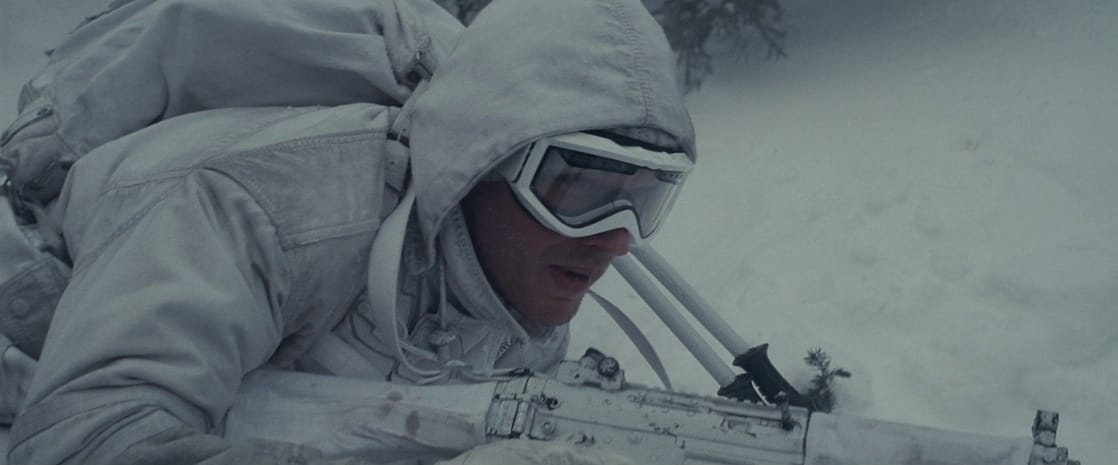
Snow plays a significant role in the movie “Inception” (2010), directed by Christopher Nolan. In the film, snow is used as one of the indicators or “kicks” to help the characters distinguish between different dream levels. In the “Inception” dream world, time passes differently, and the characters need a way to synchronize their actions across multiple levels of the dream. The use of snow “kicks” is particularly prominent in the third dream level, where Cobb (played by Leonardo DiCaprio) and his team are trying to complete their mission.
They use the changing weather and elements, such as snowfall, to signal the progression of time and impending “kick” events.
The shifts in the dream’s environment, including changes in weather conditions like snow, are crucial for the characters to maintain a sense of time and coordinate their actions in the different dream layers. The concept of using external stimuli and environmental changes to signal the dream’s progression is a key element in the intricate and layered narrative of “Inception.”
5. I Saw the Devil (2010)
“I Saw the Devil” is a South Korean psychological thriller film directed by Kim Jee-woon. While snow itself does not play a central role in the film’s plot, it is a recurring atmospheric element that contributes to the overall mood and tone of the movie. The film primarily revolves around a cat-and-mouse game between a secret agent named Kim Soo-hyun, played by Lee Byung-hun, and a sadistic serial killer named Kyung-chul, played by Choi Min-sik. The story is intense and gritty, exploring themes of revenge, justice, and the psychological toll of violence.
Snow is often present in the outdoor scenes, providing a cold and bleak backdrop that enhances the film’s dark and suspenseful atmosphere. The contrast between the serene, white landscape and the violent actions of the characters adds to the sense of unease and tension throughout the narrative. While it may not have a direct impact on the storyline, the use of snow contributes to the overall visual and emotional impact of “I Saw the Devil.”
6. Shutter Island (2010)
In Martin Scorsese’s “Shutter Island,” the visual presence of snow plays a significant role in creating a chilling and isolated atmosphere. The story is set in 1954 on Shutter Island, a remote and foreboding location that houses Ashecliffe Hospital, a mental institution, investigated by U.S. Marshal Edward “Teddy” Daniels (Leonardo DiCaprio). The imagery of harsh winter weather, including heavy snowfall, contributes to the feeling of isolation and confinement in flashback scenes. The snow-covered landscape enhances the eerie and mysterious tone of the film, reflecting the psychological tension and uncertainty surrounding the plot.
Additionally, the weather conditions play a part in complicating the characters’ journey as they navigate the island while investigating a disappearance at the mental institution. Without giving away spoilers, it’s safe to say that the snow depicted in “Shutter Island” serves both as a visual element and a narrative tool, contributing to the overall atmosphere and psychological impact of the story.
7. The Grey (2011)
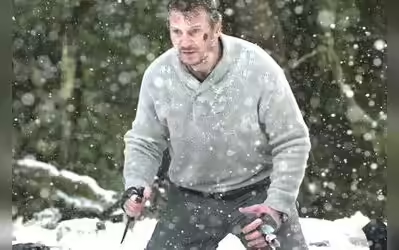
In Joe Carnahan’s “The Grey,” snow plays a significant role both thematically and as a setting element. The film is set in the Alaskan wilderness, where a group of oil workers survives a plane crash and finds themselves stranded in the snowy wilderness, facing extreme cold and harsh conditions. The snow serves as a constant threat, contributing to the characters’ struggle for survival against not only the elements but also a pack of aggressive wolves that stalk them through the snow-covered landscape.
Symbolically, the snow represents the unforgiving and indifferent nature of the wilderness, as well as the isolation and desolation of the characters’ situation. It adds to the atmosphere of tension and danger throughout the film, emphasizing the characters’ vulnerability and the relentless challenges they face in their battle for survival. “The Grey” stars Liam Neeson, Frank Grillo, Dermot Mulroney, Dallas Roberts, Joe Anderson, Nonso Anozie, and James Badge Dale.
8. Django Unchained (2012)
Quentin Tarantino’s “Django Unchained” deals with plenty of offputting themes, such as “phrenology” and gambling over staged slave fights. Therefore, it might be easy to overlook how snow plays a significant symbolic role in the film’s narrative. Towards the end of the movie, the final confrontation between Django (played by Jamie Foxx) and Calvin Candie (played by Leonardo DiCaprio) takes place in a snow-covered plantation called “Candyland” (which is far from being as delicious as it sounds). The snowy setting serves as a stark contrast to the typical dusty, sun-soaked landscapes associated with traditional Westerns.
The snow in “Django Unchained” symbolizes a departure from the typical Western tropes and conventions. It marks a shift in the power dynamics, as Django, a former slave seeking revenge, confronts his oppressors in a setting that visually represents a disruption of the status quo. The snow also adds an element of coldness and harshness to the atmosphere, reflecting the brutality and violence of the confrontation.
Additionally, the snow could be interpreted as a metaphor for purification or cleansing. Throughout the film, Django is on a quest for freedom and justice, and the snowy landscape may represent a symbolic cleansing of the sins and injustices of the past. That being said, as character Dr. King Schultz (Christoph Waltz) explains: “In [this] line of work, you have to get dirty.” Overall, the presence of snow in “Django Unchained” serves to enhance the film’s themes of revenge, liberation, and the overturning of established power structures (loftier themes than many of those present in “Reservoir Dogs,” even if one likes that movie better).
9. Fargo (2014)
Snow is a significant element in the TV show Fargo, serving both as a visual and thematic motif. The snowy landscapes of Minnesota and North Dakota are integral to the show’s aesthetic, emphasizing the stark, isolating beauty of the region. Snow-covered fields and towns create a sense of coldness, both literal and emotional, that permeates the narrative.
The vast whiteness of the snow contrasts with the violence and bloodshed depicted in the show, making the crimes more visually striking and unsettling. Snow often symbolizes a blank slate or a fresh start. However, in Fargo, the purity of snow is continually stained by blood and violence, reflecting how the characters’ actions corrupt their environments and themselves.
The endless snow-covered terrain amplifies the sense of isolation and small-town claustrophobia, highlighting how characters are often trapped — either by geography, their decisions, or the consequences of their actions. It’s a reminder that, rather than being harmonized by the environment, the characters feel a growing state of disharmony.
Snow and cold weather create logistical obstacles for the characters, influencing the plot and their behavior, adding to the sense of danger. For instance, cars get stuck, footprints in the snow become clues, and the harsh conditions test the characters’ resilience. Also, any driver with experience in snow knows that, sometimes, you need to go below the speed limit in such weather. It also becomes a tool for suspense, as heavy snowfalls can obscure vision and sound, allowing for unexpected moments of danger.
The omnipresence of snow reinforces Fargo’s bleak tone. The cold and desolate environment mirrors the moral ambiguity and existential themes explored in the series. Snow is also used to create tension or melancholy, with its stillness often serving as a backdrop to sudden bursts of chaos.
Lastly, snow establishes a connection to the Coen Brothers’ original film. Like the 1996 film that inspired the series, the snow-laden setting is a defining characteristic that ties the TV show to its cinematic roots, where a briefcase full of money is found abandoned on the side of the road in snow, to be discovered haplessly. It helps maintain the quirky yet darkly violent tone that fans of the original film recognize and appreciate. So snow in Fargo is far more than a backdrop—it’s a character in its own right, shaping the narrative, influencing the tone, and deepening the themes of isolation, morality, and the clash between order and chaos.
10. The Great Silence [“Il Grande Silenzio”] (1968)
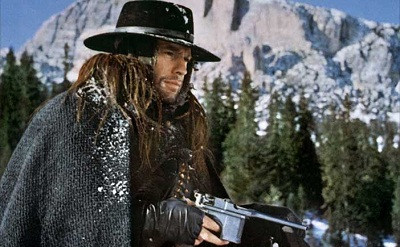
In “The Great Silence” (“Il Grande Silenzio”), directed by Sergio Corbucci, snow isn’t just weather — it’s the film’s emotional and thematic backbone. Unlike the dusty, sun-scorched landscapes typical of Spaghetti Westerns, this one unfolds in a world buried under snow — cold, silent, and merciless. The result is a bleak, almost art house atmosphere that amplifies the film’s nihilism. Snow makes everything quieter, lonelier, and crueler.
Visually, the whiteness of the snow makes violence hit harder — blood looks more brutal against that pure backdrop. But it’s not just contrast for shock value. Snow acts as a metaphor for moral emptiness. It covers everything equally, blurring the line between right and wrong, justice and corruption. Lawmen are ineffective, bounty hunters are ruthless but legal, and Silence (Jean-Louis Trintignant) — the mute gunslinger — operates outside the law completely. There’s no moral center here, just cold indifference.
That silence is more than the absence of sound — it’s the silence of injustice, of communication that fails, of resistance that goes nowhere. The snow smothers everything, underscoring the film’s title and message: in this world, justice doesn’t speak, it doesn’t act, and it doesn’t win.
Corbucci flips the Western genre on its head. Instead of sun and dust, he gives us ice and entrapment. The snowstorm strands characters in a remote town, making escape impossible and reinforcing a deep sense of powerlessness. This isn’t the frontier of heroism — it’s a frozen purgatory where hope dies quietly.
The Great Silence uses snow not as a backdrop, but as a weapon — a tool to strip the Western of its myths and reveal the brutal truth underneath. Another reason to check this movie out? Klaus Kinski, of course!