Vents MagaZine Music and Entertainment Magazine

Related Articles



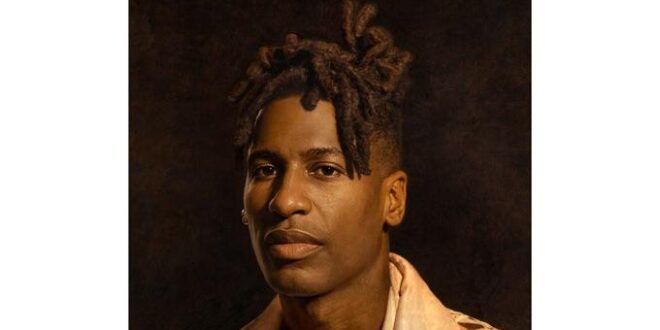
Jon Batiste today announced his next three studio albums, starting with Black Mozart (Batiste Piano Series, Vol. 2), out June 19 on Decca Records US. The release date intentionally lands on Juneteenth, underscoring the deeper cultural context of the album as Batiste reimagines the classical tradition through a Black American musical lens. Marking the second installment in Batiste’s solo piano series, the album continues to showcase the pianist’s engagement with transformative composers from multiple eras using elements of spontaneous composition and improvisation. An artist who “actively promotes the normalization of musical ambidexterity” (Downbeat), Batiste also announced today the upcoming release of Batiste Piano SeriesVolumes 3 and 4, focusing on Thelonious Monk: Monk Meditations and Monk Movements, both set for release on Verve Records on August 14. Batiste’s intent with the three albums was to “curate a musical conversation between Monk and Mozart with me at the piano, honoring them and contributing to their kindred legacies.” He continues:
“Wolfgang Amadeus Mozart, a pioneer who created his own musical language yet honored his predecessors, a master of symmetry and refiner of structure and form, seamlessly combined extreme melodic simplicity with intense complexity that challenged the conventions of his time but still had a universal appeal. … Like Thelonious Monk, for me a latter-day example of all the same qualities, Mozart was a meticulous metaphysician who created a special blend of logical mastery that still somehow defies explanation.”
Black Mozart preorders, singles, and streaming are available here, Monk Meditations here, and Monk Movements here. Links to the full series, including Beethoven Blues, are available here.
Black Mozart
Born into a long line of Louisiana musicians, Batiste trained as a classical pianist and received both bachelor’s and master’s degrees in jazz piano from The Juilliard School. As the pianist told The New York Times in a profile of the first album in the series, 2024’s Beethoven Blues, his love of combining his own music with the classics dates back to his teenage years, when he would improvise on Chopin and Bach while performing in New Orleans. Batiste’s well-known transcending of genre definitions is a by-product of this musical omnivory, but even more importantly it simply reflects the pianist’s joyful engagement with all music, past and present, and his conviction that jazz music is a portal through which all music can be understood and can intercommunicate. The second volume of the Batiste Piano Series turns the spotlight on Mozart, an equally joyful and musically omnivorous soulmate who happened to live two and a half centuries earlier. Batiste elaborates:
“He … absorbed everything that led to him and was the obvious successor of Johann Sebastian Bach. Both were keyboardists, supreme improvisers, providers of melody in all registers and purveyors of the percussive left hand. If Bach was a foundation, Mozart was a bridge that eventually led to the modern age. … I reimagined Mozart ‘Black,’ imbuing it with influences from jazz, rags, stride, blues, and stomps but still maintaining its core essence of modern classical music.”
Monk Meditations and Monk Movements
The first volume of the Batiste Piano Series, Beethoven Blues, received a profound response from audiences and confirmed Batiste’s belief that the piano series should continue. But the idea is bigger than engagement with Classical composers. Batiste’s own reimagining of Classical models implies kinship arrows pointing in all directions, and when he thinks of Mozart, the pianist’s next thought is often about Thelonious Monk. Volumes 3 and 4 of the Batiste Piano Series – two volumes, he declares, because “one wasn’t enough” – are devoted to Monk, not only illustrating Batiste’s view of him as a latter-day parallel to Mozart but to honor a towering figure who has been immeasurably influential on Batiste himself. In his liner notes for the album, written out in rhythmic lines to musicalize his words about the music, the pianist says:
“Even before I knew who he was, I started to have some of the same musical thoughts that he had.
About how to catch the ictus of the swing. About super-syncopation and the humor of harmony. About melodic rhyme and drama. About the piano being 88 tuned drums. …
Monk music makes my brain and my soul feel aligned in a very special way.
He is my favorite pianist of all time – not just jazz pianist, any style pianist.
The way he hears the harmony and the sound he produces on piano is something that should be applied to all styles of playing.”
Though both albums are inspired by the same artist, the complexity of Monk’s music lends itself to many different approaches, and Batiste’s two albums are on different paths: Monk Meditations is likely the first ever new-age meditation album inspired by Thelonious Monk, while Monk Movements reimagines his straight-ahead jazz compositions into long form virtuosic piano movements, expanding the canon of solo piano works. As with Black Mozart and Beethoven Blues before it, what shines through is the consistently innovative enthusiasm of the interpreter.