Vents MagaZine Music and Entertainment Magazine

Related Articles



Buying a diamond can be exciting and overwhelming. For many, it’s a special moment. Lab diamonds are a popular choice today. They offer beauty and value. This guide will help you understand lab grown diamonds HK. You will learn about what they are, how they are made, and why they might be right for you.
What Are Lab Diamonds?
Lab diamonds are real diamonds. They are created in a lab instead of being mined from the earth. These diamonds have the same chemical and physical properties as natural diamonds. They are made of carbon atoms arranged in a crystal structure.
How Are Lab Diamonds Made?
Lab diamonds are made using two main methods:
- High Pressure High Temperature (HPHT): This method mimics the natural process of diamond formation.
- Chemical Vapor Deposition (CVD): This method uses gas to create diamonds in a controlled environment.
Both methods create beautiful diamonds. They are virtually indistinguishable from natural diamonds. They are graded on the same scale.
Benefits of Lab Diamonds
Choosing a lab diamond has many advantages. Here are some important benefits:
- Cost-Effective: Lab diamonds are often 20-40% cheaper than natural diamonds.
- Ethical Choice: Lab diamonds do not involve mining. They are conflict-free.
- Environmentally Friendly: Creating diamonds in a lab has a lower environmental impact.
- Quality Assurance: Lab diamonds are graded and certified by gemological institutes.
Understanding the 4 Cs
The 4 Cs stand for Cut, Color, Clarity, and Carat weight. These factors determine a diamond’s quality and value.
1. Cut
The cut refers to how well the diamond is shaped. A good cut maximizes sparkle. Common cuts include:
- Round
- Princess
- Emerald
- Oval
2. Color
Color in diamonds is graded from D (colorless) to Z (light yellow). Most buyers prefer diamonds that are near colorless.
3. Clarity
Clarity measures the presence of imperfections. The grading scale ranges from Flawless (no inclusions) to Included (visible inclusions).
4. Carat Weight
Carat weight measures the size of the diamond. One carat equals 0.2 grams. Larger diamonds are usually more expensive.
Choosing the Right Lab Diamond
When selecting a lab diamond, consider the following:
- Set a Budget: Know how much you want to spend.
- Understand Your Preferences: Decide what features are most important to you.
- Shop Around: Compare different sellers and prices.
- Ask for Certification: Ensure the diamond is graded by a recognized lab.
Popular Lab Diamond Shapes
Different shapes can impact the appearance of the diamond. Here are some popular shapes:
| Shape | Description |
| Round | The most popular shape, known for its brilliance. |
| Princess | A square shape that offers a modern look. |
| Emerald | Rectangular shape with a unique step cut. |
| Oval | Longer shape that can make the diamond appear larger. |
Where to Buy Lab Diamonds
When buying a lab diamond, you have many options. Consider the following places:
- Online Retailers: Websites often have competitive prices and a wide selection.
- Jewelry Stores: Local stores may provide a hands-on shopping experience.
- Specialty Labs: Some labs sell directly to consumers.
Lab Diamond Jewelry Options
Lab diamonds can be set in various types of jewelry. Here are some popular options:
- Engagement Rings: A meaningful choice for proposing.
- Wedding Bands: A symbol of eternal love.
- Pendants: A lovely gift for any occasion.
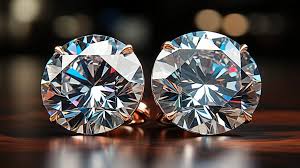
- Stud Earrings: A classic accessory for everyday wear.
Care and Maintenance of Lab Diamonds
To keep your lab diamond looking beautiful, proper care is essential. Here are some tips:
- Regular Cleaning: Clean your diamond with mild soap and warm water.
- Avoid Harsh Chemicals: Strong chemicals can damage the diamond.
- Store Safely: Keep your diamond in a soft cloth or separate box.
Common Myths About Lab Diamonds
There are many misconceptions about lab diamonds. Let’s address some of them:
- Myth 1: Lab diamonds are fake. Fact: They are real diamonds with the same properties.
- Myth 2: Lab diamonds are of lower quality. Fact: They can be graded just like natural diamonds.
- Myth 3: Lab diamonds are less valuable. Fact: They can retain good value.
Frequently Asked Questions
What Are Lab Diamonds Made Of?
Lab diamonds consist of carbon atoms arranged in a crystal structure, identical to natural diamonds.
How Do Lab Diamonds Compare To Natural Diamonds?
Lab diamonds are chemically and physically identical to natural diamonds, but they are created in controlled environments.
Are Lab Diamonds Ethically Sourced?
Yes, lab diamonds are ethically sourced, eliminating concerns related to mining and conflict diamonds.
Do Lab Diamonds Cost Less Than Natural Diamonds?
Typically, lab diamonds are 20-40% cheaper than their natural counterparts, offering better value for buyers.
Conclusion
Lab diamonds are a great choice for first-time buyers. They offer beauty, affordability, and ethical benefits. By understanding the basics, you can make an informed decision. Remember to consider the 4 Cs, your budget, and preferences. Enjoy the process of finding the perfect lab diamond!
With this guide, you are well-equipped to start your diamond journey. Happy shopping!