Vents MagaZine Music and Entertainment Magazine

Related Articles



In a world where traditional cable is rapidly becoming a relic of the past, Internet Protocol Television (IPTV) is revolutionizing how we consume content. Imagine having the power to access your favorite shows, movies, and live events at your fingertips—all while enjoying unmatched flexibility and personalization! Whether you’re a binge-watching aficionado or simply looking for a more streamlined viewing experience, IPTV offers an enticing array of features that can transform your entertainment landscape. In this ultimate guide, we’ll dive deep into the captivating realm of IPTV, uncovering its unique benefits, essential features, and why it might just be the upgrade you’ve been waiting for. Buckle up as we embark on this exciting journey through streaming’s next frontier!
Introduction to IPTV: What is it and How Does it Work?
Imagine having the power to watch your favorite shows, movies, and live sports whenever you want, all while choosing from an endless array of channels. Enter IPTV—your gateway to a world of entertainment without the constraints of traditional cable.
IPTV stands for Internet Protocol Television, which means that instead of relying on satellite dishes or cable wires, content is delivered straight to your device over the internet. This shift marks a revolution in how we consume media today.
But what exactly does this mean for you? Is it just another tech buzzword or something that can truly enhance your viewing experience? Let’s dive deeper into the fascinating realm of IPTV and uncover its many features and benefits that could change how you enjoy television forever.
Understanding the Technology Behind IPTV
IPTV, or Internet Protocol Television, relies on an intricate technology that delivers television content over the internet. Unlike traditional cable or satellite systems, IPTV uses a digital signal transmitted via your broadband connection.
At its core, IPTV breaks down video content into packets of data. This method allows for seamless streaming and high-quality images without the latency often seen in older technologies. The use of IP networks makes it flexible and scalable.
There are two main types of delivery methods: unicast and multicast. Unicast refers to one-to-one communication between the server and the viewer’s device. Multicast sends a single stream to multiple users simultaneously, optimizing bandwidth usage.
This advanced technology supports features like Video on Demand (VOD) and time-shifted TV, providing viewers with more control over their viewing experience than ever before.
Types of IPTV Services Available
IPTV services come in various forms to suit different viewing preferences. The most common types are live TV streaming, video-on-demand (VOD), and time-shifted media.
Live TV streaming lets users watch broadcasts in real-time. This is perfect for sports enthusiasts or anyone who wants to keep up with current events as they unfold.
On the other hand, VOD allows viewers to select from a library of content whenever they like. It’s ideal for binge-watching shows or discovering new movies at your own pace.
Time-shifted media combines the best of both worlds by enabling viewers to pause, rewind, or record live television. This feature adds flexibility and control over what you watch and when you watch it.
Some IPTV providers even offer premium channels or specialized packages catering to niche interests like documentaries or international programming. Each type serves unique needs within the diverse landscape of entertainment options today.
Features of IPTV: What Sets it Apart from Traditional TV?
IPTV offers a range of features that distinguish it from traditional television. One standout aspect is its on-demand content. Viewers can choose what to watch and when, eliminating the constraints of scheduled programming.
Another key feature is multi-device compatibility. IPTV services can be accessed on various devices, including smart TVs, tablets, and smartphones. This flexibility allows you to enjoy your favorite shows anywhere you go.
Interactive capabilities also set IPTV apart. Users can engage with content through features like pause, rewind, or even access additional information about a program in real time.
Additionally, many IPTV platforms provide personalized recommendations based on viewing habits. This tailored experience enhances user satisfaction by making it easier to discover new content aligned with individual preferences.
Lastly, high-definition streaming quality often surpasses that of conventional cable services. With superior video resolution and minimal buffering times, watching becomes an enjoyable experience.
Benefits of Using IPTV: Convenience, Cost, and More
IPTV offers unparalleled convenience for users. With a simple internet connection, you can access a vast array of channels and content from anywhere. No more being tied to cable boxes or specific locations.
Cost savings are another significant advantage. Many IPTV services provide flexible subscription plans that cater to different budgets. This means you can enjoy quality entertainment without breaking the bank.
Additionally, IPTV often provides on-demand options, allowing viewers to watch shows and movies at their leisure. There’s no need to adjust your schedule around broadcast times anymore.
Moreover, many providers offer extensive libraries of past episodes and films, making it easy to catch up on what you’ve missed. The ability to record live TV is also a game-changer for busy households.
All these features contribute significantly to an enhanced viewing experience that traditional television simply can’t match.
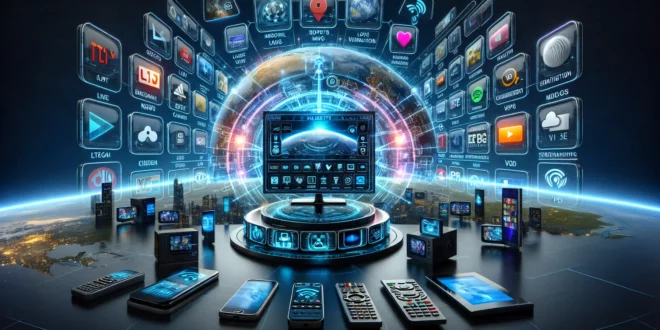
Popular Devices for Accessing IPTV
When it comes to accessing IPTV, several devices can enhance your viewing experience. Smart TVs are a popular choice. They come with built-in apps that support various IPTV services. This means you can stream directly without any additional equipment.
Streaming devices like Roku, Amazon Fire Stick, and Apple TV also make great options. They offer flexibility and often have user-friendly interfaces for easy navigation. Simply plug them into your HDMI port, and you’re ready to go.
Another convenient option is using tablets or smartphones. With the right app installed, you can watch content anywhere at any time.
Laptops and desktop computers serve as versatile platforms too. You might prefer watching on a larger screen while multitasking online.
Choosing the right device depends on personal preference and usage habits, making it essential to consider what fits best into your lifestyle.
How to Choose the Right IPTV Service Provider?
Choosing the right IPTV service provider can feel overwhelming due to the myriad options available. Start by assessing your viewing habits. Do you binge-watch series or prefer live sports?
Next, consider the channel offerings. Ensure that your desired channels and on-demand content are included in their packages. Look for providers with flexible plans to match your needs.
Quality matters too. Investigate streaming quality and stability through customer reviews or trial periods when available. A reliable connection is essential for a satisfying viewing experience.
Don’t overlook customer support options either. Responsive assistance can make a huge difference if technical issues arise.
Lastly, evaluate pricing structures carefully. Compare costs against features offered to ensure you’re getting value for money without hidden fees lurking in the fine print.
Tips for Setting up and Using Your IPTV Service
Setting up your IPTV service can be a straightforward process if you follow some simple tips. Start by ensuring that you have a stable and high-speed internet connection. This is crucial for streaming without interruptions.
Next, choose the right device for accessing IPTV. Popular options include smart TVs, dedicated streaming devices like Roku or Amazon Fire Stick, and even smartphones or tablets.
Once your device is ready, download any necessary apps recommended by your IPTV provider. These apps are often user-friendly and allow easy navigation through channels and content.
Don’t forget to configure settings such as parental controls if needed. Familiarize yourself with the interface to make channel surfing smooth.
Lastly, stay updated on firmware updates for your devices to ensure optimal performance over time. Enjoy exploring new shows and movies at your leisure!
Conclusion: Is IPTV Right for You?
Deciding whether IPTV is right for you ultimately depends on your viewing habits, budget, and need for flexibility. If you prefer a wide variety of channels, on-demand content, and the convenience of streaming across multiple devices, IPTV can be an excellent option. It offers more control over what you watch and how you watch it, especially for users who want alternatives to traditional cable or satellite services.
However, it’s important to choose a reliable provider to ensure high-quality streaming, minimal buffering, and consistent service. Always consider factors like channel selection, customer support, pricing, and device compatibility before making a decision.
Overall, IPTV is a modern and cost-effective solution for digital entertainment. If you value convenience, variety, and affordability, IPTV may be the perfect fit for your home entertainment setup.