Vents MagaZine Music and Entertainment Magazine

Related Articles



Humanoid robots are rapidly transforming industries such as manufacturing, healthcare, and service automation. One of the most critical components in these robots is the motor system, which controls movement, balance, and precision. Because humanoid robots perform complex tasks that mimic human motion, their motors must meet extremely high standards of reliability, efficiency, and durability.
Quality control strategies in humanoid robot motor production are essential to ensure consistent performance and safety. A well-structured quality control system helps manufacturers detect defects early, improve product reliability, and maintain customer trust. By implementing advanced testing methods and monitoring processes, companies can ensure that every motor produced meets strict performance requirements.
Importance of Quality Control in Robot Motors
Robot motors are responsible for controlling the joints and movements of humanoid robots. Any defect or malfunction in these motors can cause inaccurate movements, operational failures, or even damage to the robot. Therefore, quality control plays a vital role in maintaining the functional stability of robotic systems.
Without proper quality control measures, manufacturers may face product recalls, increased costs, and reduced customer confidence. High-quality motors ensure smoother motion, longer operational life, and better energy efficiency. As the robotics industry continues to expand, maintaining strict quality standards becomes increasingly important.
Raw Material Inspection
The foundation of a reliable motor begins with high-quality raw materials. Components such as copper windings, magnetic materials, bearings, and motor housings must meet strict specifications before entering the production process. Proper inspection of these materials helps prevent manufacturing defects and ensures consistent performance.
Manufacturers typically perform several checks during raw material inspection, including:
- Verification of material composition
- Dimensional accuracy testing
- Electrical conductivity testing
- Magnetic property analysis
- Supplier quality verification
These inspections ensure that only approved materials move forward into the production line, reducing the chances of failure during later stages of manufacturing.
Precision Manufacturing Processes
Precision is a critical factor in humanoid robot motor production. Even minor deviations in motor components can affect torque output, efficiency, and stability. To maintain consistency, manufacturers use advanced machining technologies and automated production systems.
Modern production facilities often rely on computer-controlled equipment to achieve precise tolerances. Automated winding machines, robotic assembly systems, and high-accuracy CNC machining help reduce human error and maintain uniform quality. Consistent calibration of manufacturing equipment also ensures that every motor component is produced according to design specifications.
In-Process Quality Monitoring
Quality control does not occur only at the beginning or end of production. Continuous monitoring during manufacturing is essential for identifying potential defects early. In-process quality monitoring allows manufacturers to correct issues before they affect large batches of products.
Common monitoring techniques include:
- Real-time sensor data tracking
- Automated visual inspection systems
- Dimensional measurement during assembly
- Process control through statistical monitoring
These methods enable manufacturers to detect irregularities quickly and maintain a stable production process.
Performance Testing of Motors
Once the motors are assembled, they undergo rigorous performance testing to ensure they meet operational requirements. Performance testing evaluates various parameters such as torque, speed, efficiency, vibration levels, and thermal stability.
During this stage, motors are tested under simulated operating conditions that mimic real robotic applications. Engineers analyze the results to verify that the motor can perform reliably under different loads and movement patterns. If any motor fails to meet performance standards, it is either reworked or rejected before reaching the market.
Environmental and Stress Testing
Humanoid robots often operate in demanding environments, including factories, hospitals, and outdoor locations. Motors must therefore be capable of functioning under various environmental conditions. Environmental testing ensures that the motors can withstand temperature fluctuations, humidity, and mechanical stress.
Typical stress tests include:
- Thermal cycling tests
- Vibration and shock testing
- Dust and moisture resistance testing
- Long-term endurance testing
These tests simulate real-world conditions and help ensure that the motors maintain consistent performance throughout their operational life.
Use of Advanced Inspection Technologies
Modern quality control strategies rely heavily on advanced inspection technologies. These technologies help manufacturers detect microscopic defects that might not be visible through traditional inspection methods.
Examples of advanced inspection tools include laser measurement systems, machine vision inspection, and automated scanning technologies. These tools can identify irregularities in component alignment, surface finish, and structural integrity. By integrating these technologies into the production line, manufacturers can significantly improve defect detection accuracy.
Statistical Quality Control Methods
Statistical quality control is widely used in motor manufacturing to monitor production performance and maintain consistency. This approach involves collecting and analyzing production data to identify patterns, trends, and potential issues.
Key statistical techniques used in quality control include process capability analysis, control charts, and sampling inspections. These methods help manufacturers determine whether production processes remain within acceptable limits. By analyzing statistical data, engineers can also identify opportunities for process improvement and cost reduction.
Employee Training and Quality Awareness
Human expertise plays a crucial role in maintaining high quality standards in humanoid robot motor production. Skilled technicians and engineers must understand the importance of precision, testing procedures, and quality control guidelines.
Companies often invest in continuous training programs to improve employee skills and technical knowledge. These programs may focus on equipment operation, quality inspection techniques, and problem-solving methods. When employees are well trained and aware of quality standards, they are more likely to identify issues and contribute to maintaining product reliability.
Supply Chain Quality Management
Quality control extends beyond the factory floor to include suppliers and external partners. Many motor components are sourced from specialized suppliers, making supply chain management an important aspect of quality assurance.
Manufacturers often evaluate suppliers through audits, certification requirements, and performance assessments. Close collaboration with suppliers ensures that components consistently meet required specifications. Effective communication between manufacturers and suppliers helps maintain high standards throughout the entire production process.
Continuous Improvement Strategies
Quality control strategies must evolve as technology advances and production demands increase. Continuous improvement ensures that manufacturing processes remain efficient and capable of producing high-quality motors.
Companies often adopt improvement frameworks such as Lean Manufacturing and Six Sigma to enhance quality performance. These methodologies focus on reducing defects, minimizing waste, and improving process efficiency. Regular analysis of production data and customer feedback also helps identify areas where improvements can be made.
Why Rely on HONEST Automation?
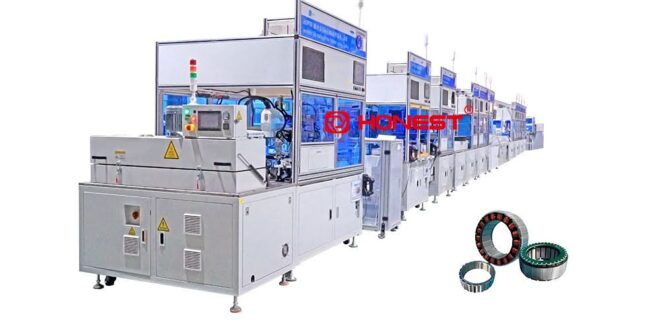
HONEST Automation has established itself as a trusted provider of advanced automation and motor production solutions for the robotics industry. The company focuses on delivering high-quality manufacturing systems designed to improve efficiency, accuracy, and consistency in humanoid robot motor production. Their expertise in automation technologies enables manufacturers to achieve precise assembly and reliable quality control.
Several factors make it a reliable partner:
- Advanced automated motor production equipment
- Precision assembly systems for high accuracy
- Integrated quality inspection technologies
- Strong technical support and engineering expertise
- Solutions designed for high efficiency and scalability
By partnering with HONEST Automation, manufacturers can strengthen their production processes while maintaining strict quality standards. Their innovative solutions help companies reduce defects, increase productivity, and deliver high-performance motors for modern humanoid robots.
Conclusion
Quality control strategies in humanoid robot motor production are essential for ensuring reliability, efficiency, and long-term performance. From raw material inspection to final product testing, every stage of the manufacturing process requires careful monitoring and precision. Advanced technologies, statistical analysis, and strict testing procedures all contribute to maintaining high quality standards.
As humanoid robots become more integrated into daily life and industrial operations, the demand for reliable motors will continue to grow. Manufacturers that implement strong quality control systems will be better positioned to produce high-performance motors that meet the evolving needs of the robotics industry. By focusing on continuous improvement and innovation, companies can ensure consistent quality and maintain a competitive advantage in this rapidly expanding field.