Vents MagaZine Music and Entertainment Magazine
Related Articles



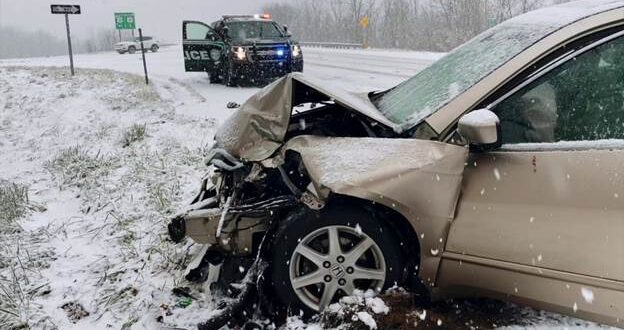
Being in a car accident can be a shocking experience that leaves you disoriented and unsure of what to do next. It is crucial to take a moment to assess the situation carefully, as this step can significantly impact your safety and any subsequent legal proceedings. Before making any further moves, ensure that you, your passengers, and other drivers are safe and check for injuries.
Once you’ve ensured everyone’s safety, it is essential to call emergency services if there are injuries or significant damage. According to Georgia’s Department of Public Health, car crashes were responsible for the highest number of fatalities in 2020, underlining the importance of immediate medical assistance. Also, having a record of the incident can aid in insurance claims and legal matters later.
According to AAA, the average car battery has a life expectancy of three to five years, so if your battery is near the end of its life, it may fail unexpectedly after an accident. Taking a few moments to inspect it can help avoid further complications while waiting for emergency or towing services.
Collect Necessary Information
Gathering information post-accident is vital for establishing facts and facilitating the claims process. Exchange names, contact details, and insurance information with all drivers involved in the accident. This exchange can serve as a foundational step when disputing claims or seeking compensation in the future.
In addition to driver information, collect the contact details of any witnesses. Witness statements can often tilt the scale in your favor if there are conflicting accounts of how the accident occurred. Having multiple perspectives is invaluable, as it can provide additional clarity surrounding the events that unfolded.
If possible, take note of the vehicle types involved, the make and model, and their license plate numbers. This information is essential when filing a police report and may also assist in further investigations. Be sure to also familiarize yourself with your insurance policy because knowing your coverage can significantly influence your next steps.
Report the Accident
Once you’ve gathered all necessary information, the next step is to report the accident to your insurance company. Most insurance policies require that you notify them in a timely manner following an incident. Keeping your insurer informed allows them to guide you through the claims process and helps ensure you’re protected under your policy.
Reporting the situation to local authorities may also be required depending on the severity of the accident. Even in minor crashes, having a police report on record can clarify who was at fault, streamlining the claims process later on.
Consider Legal Advice
In many cases, consulting with a legal professional following an accident can be highly beneficial. Especially if there are significant injuries or disputes about who was at fault, obtaining legal advice can clarify your options. Having a knowledgeable professional on your side can relieve some of the stress associated with navigating insurance claims and medical bills.
Moreover, if you’re considering pursuing compensation for pain and suffering, lost wages, or medical expenses, a lawyer can help in advocating for your rights. While many accidents can be resolved amicably, legal guidance can ensure that you aren’t under-compensated for what you have experienced. This consideration is particularly relevant when your lifestyle may be affected by ongoing medical issues.
Address Your Vehicle’s Condition
After ensuring your personal safety and that of others involved, you can begin to address the condition of your vehicle. Depending on the extent of the damage, you may need to contact a towing service to remove your vehicle from the accident scene. According to Carsurance, the car towing industry in the U.S. has a robust network of over 47,000 businesses that can assist in this process.
If your vehicle is drivable, consider taking it to a trusted mechanic for a thorough inspection. Ignoring minor damages could result in more substantial problems down the line. It is prudent to understand that even if the initial impact seems minor, unseen issues may affect your vehicle’s operability and could compromise your safety.
Your mechanic will provide insight into repairs needed and can help in deciding whether your vehicle is worth fixing or should be considered a total loss. This decision not only affects your immediate transportation lifestyle but may also alter your future vehicle-related decisions. Keeping your car in optimal condition post-accident is crucial for ensuring ongoing safety and reliability on the road.